Maine Coon Cats Compared to Other Common Cat Breeds
Welcome, fellow cat enthusiasts! If you’re considering adopting a Maine Coon cat or simply curious about how they compare to other popular feline breeds, you’ve come to the right place. In this comprehensive guide, we’ll delve into the physical characteristics, temperament, grooming needs, health issues, and adaptability of Maine Coons, along with comparisons to other common cat breeds. By the end of this article, you’ll have a clearer understanding of whether a Maine Coon might be the perfect companion for your household.
Origin and History
The Maine Coon is one of the oldest natural breeds in North America. Legends abound about their origins, including tales of them being descendants of Marie Antoinette’s cats or even the offspring of semi-feral domestic cats and raccoons (despite the latter being biologically impossible). The truth is more prosaic but no less fascinating. These cats likely originated from short-haired domestic cats and longhaired breeds brought to New England by European settlers. Over time, they adapted to harsh New England winters, developing their distinctive traits.
Average Size and Lifespan
Maine Coons are renowned for their large size, making them one of the largest domestic cat breeds. Adult males can weigh between 13 to 18 pounds, while females typically range from 9 to 12 pounds. Their bodies are muscular and well-proportioned, with long legs and a broad chest. Their tails are almost as long as their body, adding to their impressive stature. Despite their size, they are surprisingly agile and graceful. Maine Coons generally live between 12 to 15 years, though some may live longer with proper care.
Physical Characteristics
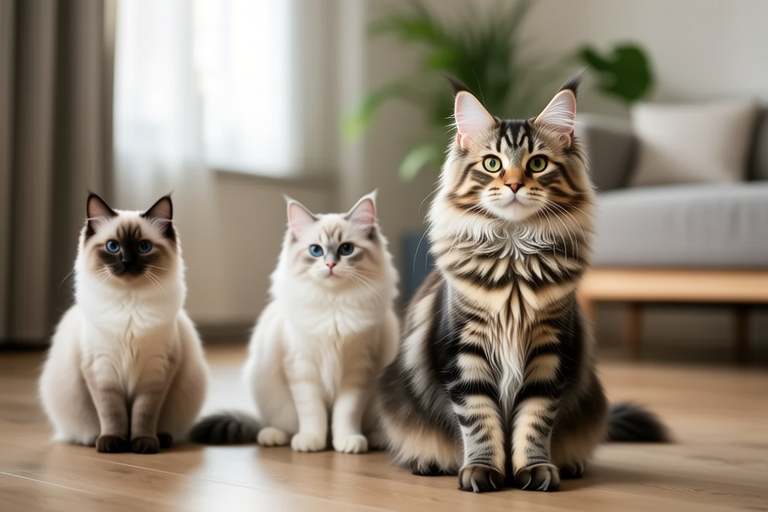
One of the most striking features of Maine Coons is their thick, water-resistant coat that is longer around the neck, shoulders, and tail. This semi-longhair coat comes in various colors and patterns, including brown tabby, seal tabby, and white. Their eyes are typically large, expressive, and almond-shaped, usually in shades of green, gold, or copper. Another hallmark of the breed is their tufted ears, which are covered with long hairs at the tips, giving them an almost lynx-like appearance. Their paws are large and furry, often referred to as “snowshoes,” which help them navigate snowy terrain effortlessly.
Temperament and Personality
Maine Coons are known for their friendly and sociable nature. They are often described as “dog-like” due to their affectionate behavior and tendency to follow their owners around the house. Unlike many other breeds, Maine Coons enjoy playing fetch and can learn to walk on a leash, making them ideal companions for outdoor activities. They are patient and gentle, making them excellent companions for families with children. Their intelligence and curiosity make them highly trainable, and they often enjoy solving puzzles and learning tricks.
Grooming Needs
Despite their luxurious coats, Maine Coons are relatively easy to groom compared to other long-haired breeds. Their coats shed seasonally, so regular brushing—about twice a week—is necessary to remove loose hair and prevent matting. Bathing is usually only required when absolutely necessary, such as after a particularly messy adventure. Their ears should be checked and cleaned weekly to prevent wax buildup and infection, and their nails should be trimmed every few weeks. Regular dental care is also important to maintain good oral hygiene.
Health Issues
Like all breeds, Maine Coons are prone to certain health issues. One of the most serious conditions is hypertrophic cardiomyopathy (HCM), a form of heart disease that can lead to sudden death if left untreated. Regular veterinary check-ups and early detection through echocardiograms can help manage this condition. Hip dysplasia is another concern, particularly in larger breeds like the Maine Coon. Obesity can exacerbate joint problems, so maintaining a healthy weight is crucial. Responsible breeding practices and genetic testing can help reduce the incidence of these hereditary conditions.
Vocal Patterns
Maine Coons are known for their distinctive “chirping” vocalizations, which are often described as sounding like a bird. While they are not as talkative as some other breeds, they will occasionally chirp or trill to communicate with their humans. Their voices are usually soft and pleasant, making them a joy to listen to. Some Maine Coons are quite vocal, especially when they want attention or food, but most are content to communicate through body language and purring.
Intelligence and Interaction with Children and Other Pets
Maine Coons are highly intelligent and adaptable, which makes them great companions for families with children. They are patient and gentle, tolerating rough play and handling better than many other breeds. They get along well with other pets, including dogs and other cats, as long as introductions are done gradually and under supervision. Their intelligence means they can quickly learn household rules and routines, making them easier to integrate into a family environment. They enjoy interactive play and puzzle toys, which can help keep them mentally stimulated.
Adaptability
Maine Coons are adaptable to various living situations, from small apartments to spacious homes. However, they thrive in environments where they can explore and play freely. Providing them with plenty of vertical space, such as cat trees or window perches, allows them to stretch their muscles and satisfy their natural instincts. While they are generally indoor cats, some owners choose to allow their Maine Coons supervised outdoor access. If you decide to let your Maine Coon outside, ensure they are spayed or neutered, vaccinated, and microchipped for their safety.
Why Choose a Maine Coon?
If you’re looking for a loyal, affectionate, and playful companion, a Maine Coon might be the perfect fit for your family. Their friendly demeanor and intelligence make them ideal for households with children and other pets. Their adaptability to different living situations means they can thrive in both urban and rural settings. However, it’s essential to consider the grooming and healthcare requirements of this breed before making a decision. If you’re prepared to provide the necessary care and attention, a Maine Coon can be a wonderful addition to your home.
Comparison with Other Breeds
Siamese Cats
Siamese cats are known for their striking blue almond-shaped eyes and sleek, short coats. They are highly vocal and very social, often forming strong bonds with their human families. While they are affectionate and playful, Siamese cats can be more demanding in terms of attention and interaction. Their vocal nature might be overwhelming for some owners, especially those who prefer a quieter household. On the other hand, Siamese cats require minimal grooming and are generally healthier than many other breeds.
Persian Cats
Persian cats are famous for their long, luxurious coats and sweet, round faces. They are calm and quiet, making them suitable for households where peace and tranquility are valued. However, their long fur requires extensive grooming, often daily brushing to prevent matting. Persian cats are also prone to respiratory issues and dental problems, which can require more frequent veterinary visits. While they are gentle and loving, Persian cats may not be as active or playful as Maine Coons, making them less suited for families with young children.
Ragdoll Cats
Ragdoll cats are known for their docile nature and tendency to go limp when picked up, hence their name. They are affectionate and enjoy being carried and cuddled, making them excellent companions for people who appreciate close physical contact with their pets. Ragdolls are relatively easy to groom, requiring weekly brushing to keep their medium-length coats in good condition. However, they are not as independent as Maine Coons and may become anxious or stressed if left alone for extended periods. Ragdolls are also more sensitive to temperature changes and require a warm, comfortable environment.
Conclusion
In conclusion, Maine Coon cats are a unique and delightful breed with many endearing qualities. Their large size, friendly personality, and intelligence make them stand out among other cat breeds. Whether you’re a first-time cat owner or a seasoned feline enthusiast, a Maine Coon can bring joy and companionship to your life. However, it’s important to consider their specific needs and lifestyle compatibility before bringing one into your home. By doing your research and preparing adequately, you can ensure a happy and healthy relationship with your new feline friend.
