The Heterometrus spinifer Phenomenon: Why This Species is Gaining Popularity Among Exotic Pet Lovers
The Heterometrus spinifer, commonly known as the Asian forest scorpion, has been gaining significant attention among exotic pet enthusiasts in recent years. With its striking appearance and manageable size, this species offers a unique and rewarding experience for those who are passionate about keeping exotic animals as pets. In this article, we will explore the physical characteristics, natural habitat, and behavior of the Heterometrus spinifer, discuss why it is becoming increasingly popular among exotic pet lovers, and provide valuable insights into the challenges and rewards of owning one. We will also address ethical considerations regarding their capture and trade, offer tips for prospective owners, and emphasize the importance of responsible pet ownership.
Physical Characteristics of the Heterometrus spinifer
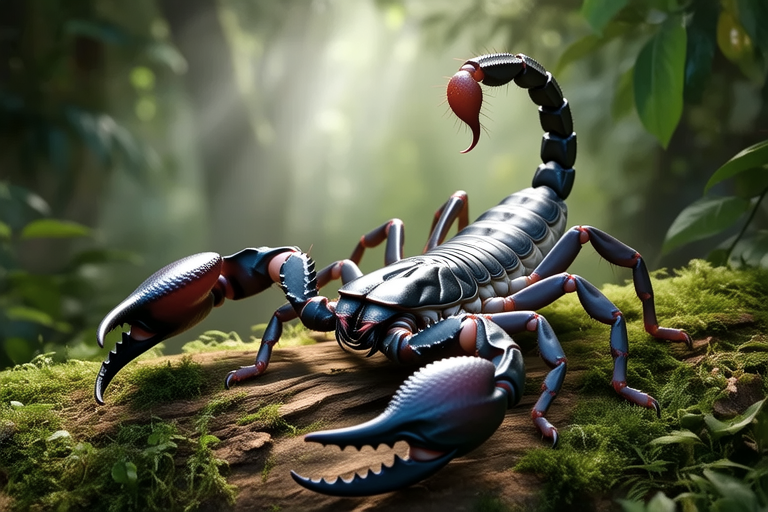
The Heterometrus spinifer is a medium-sized scorpion, typically measuring between 8 to 12 centimeters in length. It has a robust body with a distinctive tail that curves over its back, equipped with a venomous stinger at the tip. The scorpion’s coloration varies from dark brown to black, often with lighter-colored stripes or patterns along its carapace and legs. One of the most notable features of the Heterometrus spinifer is the presence of spines on its pedipalps (the large pincers), which give it its scientific name. These spines are used for defense, hunting, and sometimes even mating displays.
Natural Habitat and Behavior
Native to Southeast Asia, particularly in countries such as Thailand, Malaysia, and Indonesia, the Heterometrus spinifer inhabits dense forests, caves, and rocky outcrops. It prefers humid environments with plenty of hiding spots, making it well-suited to life in tropical regions. In the wild, these scorpions are primarily nocturnal, emerging at night to hunt small insects, spiders, and other invertebrates. They are solitary creatures, and while they may occasionally coexist with others of their kind, they tend to avoid direct contact unless provoked.
Why the Heterometrus spinifer is Becoming Popular Among Exotic Pet Lovers
The growing popularity of the Heterometrus spinifer among exotic pet enthusiasts can be attributed to several factors. Firstly, its manageable size makes it an ideal candidate for those who are new to keeping scorpions or have limited space. Unlike some larger species, the Heterometrus spinifer does not require extensive enclosures, making it more accessible for hobbyists. Secondly, its unique appearance sets it apart from other scorpion species, offering a visually striking addition to any collection. Lastly, the relatively low maintenance required to keep these scorpions healthy and happy further contributes to their appeal.
Challenges and Rewards of Owning a Heterometrus spinifer
While owning a Heterometrus spinifer can be a rewarding experience, there are certainly challenges that potential owners should be aware of. Providing the correct environment is crucial for their well-being, as these scorpions require specific humidity levels and temperatures to thrive. Additionally, handling them should be done with caution, as they possess venomous stingers capable of delivering painful but non-lethal bites to humans. Despite these challenges, many owners find great satisfaction in observing their scorpions’ behaviors and learning about their unique biology.
Ethical Considerations Regarding Capture and Trade
It is essential to consider the ethical implications of capturing and trading Heterometrus spinifer specimens for the pet trade. Overharvesting from the wild can lead to declines in local populations and disrupt ecosystems. To mitigate these risks, responsible breeders work to propagate captive-bred individuals, ensuring that fewer animals are taken from the wild. Prospective owners should always research where their scorpions come from and choose reputable sources that prioritize animal welfare.
Tips for Prospective Owners
For those interested in adding a Heterometrus spinifer to their collection, here are some key tips:
- Research thoroughly: Before purchasing, learn as much as possible about the species’ needs, including diet, enclosure setup, and temperature/humidity requirements.
- Provide appropriate housing: Ensure that your scorpion has enough space to move around comfortably, with plenty of hiding places and substrate for burrowing.
- Handle with care: While Heterometrus spinifer are generally docile, always exercise caution when handling them to avoid being stung.
- Monitor health regularly: Keep an eye on your scorpion’s behavior and appearance, seeking veterinary assistance if you notice any signs of illness or distress.
The Importance of Responsible Pet Ownership
Ultimately, the decision to own a Heterometrus spinifer or any other exotic pet should be made thoughtfully and responsibly. By prioritizing the well-being of the animal and adhering to best practices in care and husbandry, owners play a vital role in maintaining healthy populations both in captivity and in the wild. Education is key to fostering a deeper understanding of these fascinating creatures and promoting responsible pet ownership.
