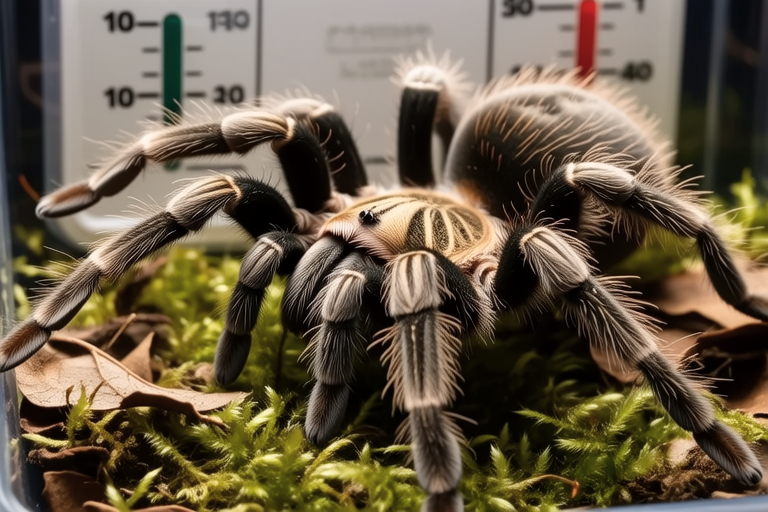
Living with Spiders: A Day in the Life of a Tarantula Owner
Welcome to the fascinating world of tarantula ownership! If you’re considering adopting a tarantula as your pet, you’ve chosen a unique and rewarding companion. Tarantulas are not only beautiful but also surprisingly low-maintenance creatures that can offer hours of entertainment and learning. This article will guide you through the daily life of a tarantula owner, detailing the responsibilities, care requirements, and fascinating behaviors of these arachnids.
The Setup: Creating the Perfect Habitat
Before bringing home your tarantula, it’s essential to set up a comfortable and safe environment. Tarantulas are solitary animals, so each one needs its own enclosure. A typical terrarium with a secure lid is ideal, ensuring that your pet has enough space to move around comfortably without the risk of escape.
The substrate, or bedding, plays a crucial role in maintaining humidity levels within the enclosure. Many owners opt for coconut fiber or sphagnum moss, which retain moisture well. Additionally, providing a shallow water dish is necessary for hydration. However, be cautious about the depth; too much water could lead to drowning. A small, shallow dish filled with clean water is sufficient.
Temperature and humidity are vital factors for your tarantula’s health. Most species thrive at temperatures between 75 and 85 degrees Fahrenheit (24 to 29 degrees Celsius) and humidity levels around 60 to 80 percent. Use a hygrometer and thermometer to monitor these conditions accurately. Proper ventilation is also important, so ensure that the enclosure has adequate air flow.
Daily Routines: Feeding and Maintenance
Feeding your tarantula is relatively straightforward. Insects like crickets, mealworms, and dubia roaches are excellent choices. The size of the prey should match the size of the tarantula’s body. For instance, a young tarantula might eat smaller insects, while an adult can handle larger prey.
Frequency of feeding varies depending on the age and species of your tarantula. Younger tarantulas generally require more frequent meals, typically once or twice a week, whereas adults may only need to be fed every two weeks. Always remove any uneaten prey after a few hours to prevent overfeeding or stress.
Maintaining the enclosure is another important aspect of tarantula care. Regular cleaning helps prevent the buildup of harmful bacteria and ensures a healthy living environment. Spot cleaning daily to remove waste and uneaten food is recommended. Every few weeks, perform a thorough cleaning, replacing the substrate and disinfecting the enclosure.
Handling Techniques: Building a Bond
While tarantulas are not cuddly pets, they can still form a bond with their owners through careful handling. Always use tongs or a soft brush when moving your tarantula to avoid causing stress or injury. Tarantulas have delicate exoskeletons and can be easily harmed if mishandled.
Some species are more tolerant of being handled than others, so research your specific tarantula’s behavior before attempting to interact. Start by gently coaxing your tarantula onto a flat surface, then carefully lift it with the tongs. Allow it to explore your hand or arm slowly, ensuring that it feels secure and comfortable.
Unique Behaviors and Characteristics
Tarantulas exhibit a range of fascinating behaviors that make them captivating pets. One of the most intriguing is their ability to molt. During this process, the tarantula sheds its old exoskeleton to reveal a new, larger one. It’s crucial to provide a humid environment during molting, as the tarantula needs moisture to successfully shed its skin.
Another notable characteristic is their defensive posture. When threatened, tarantulas may rear up on their hind legs, displaying their fangs and hairs. Some species even release irritating hairs from their abdomen as a defense mechanism. These hairs can cause irritation to the eyes, nose, and skin of predators, including humans.
Despite their intimidating appearance, tarantulas are generally docile and shy. They prefer to retreat rather than confront threats. Understanding and respecting their natural behaviors can help you develop a peaceful coexistence with your pet.
Common Misconceptions About Tarantulas
One of the most prevalent myths about tarantulas is that they are aggressive and dangerous. While all spiders have venom, the vast majority of tarantulas pose little threat to humans. Their venom is primarily used for subduing prey, and their bites are usually no more painful than a bee sting.
Another misconception is that tarantulas are unsuitable pets for children. While tarantulas require careful handling, they can be wonderful educational tools for responsible children who understand how to interact with them safely. Supervision is always advised when children are involved.
Lastly, many people believe that tarantulas require constant attention. In reality, tarantulas are solitary and independent creatures that don’t demand frequent interaction. They are perfect for individuals looking for a low-maintenance pet that still provides companionship and fascination.
Tips for Potential Owners
If you’re thinking about adding a tarantula to your family, there are several things to consider:
- Research your species: Different tarantula species have varying care requirements. Research thoroughly to find a species that suits your lifestyle and experience level.
- Prepare for long-term commitment: Tarantulas can live for 15 to 30 years, depending on the species. Be prepared for a long-term commitment.
- Seek advice: Join online forums or local clubs to connect with other tarantula enthusiasts. They can offer invaluable advice and support.
- Invest in quality equipment: Purchase high-quality enclosures, substrates, and thermometers to ensure your tarantula’s health and happiness.
- Be patient: Tarantulas are not interactive pets like dogs or cats. Patience and understanding are key to enjoying their company.
A Day in the Life of a Tarantula Owner
Imagine waking up to the sight of your tarantula calmly resting in its enclosure. After breakfast, you check the temperature and humidity levels, ensuring everything is within the optimal range. You spot a small cricket wandering around, so you carefully feed it to your tarantula. Later in the day, you spend some time observing your pet’s movements and behaviors, noting any changes in activity or appearance.
In the evening, you perform a quick spot cleaning, removing any uneaten food or waste. Before bed, you give your tarantula one last look, ensuring it’s settled for the night. Owning a tarantula is a unique and rewarding experience that offers a deep connection with nature.
With proper care and understanding, tarantulas can be delightful companions. Their fascinating behaviors, coupled with the responsibility of caring for them, make them an excellent choice for anyone interested in exotic pets. By following the guidelines outlined in this article, you’ll be well on your way to becoming a successful tarantula owner.
