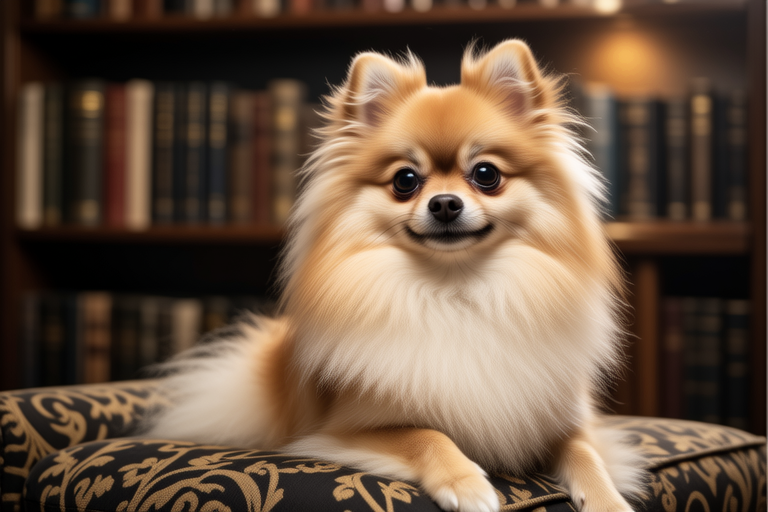
The Journey of Pomeranians: From Arctic Working Dogs to Royal Companions
The Pomeranian, a breed known for its fluffy coat and spirited personality, has an intriguing history that spans centuries and continents. This tale begins in the Arctic regions, where these dogs were originally large, robust canines bred for work, and culminates in the modern era, where they are cherished companions in homes around the world.
Origins in the Arctic: A Tale of Utility and Survival
Pomeranians trace their roots back to the ancient Spitz-type dogs found in the Arctic Circle. These early ancestors were indispensable to the indigenous people who relied on them for hunting, herding, and even pulling sleds across the snowy terrain. Their thick coats provided insulation against harsh weather conditions, while their sturdy builds enabled them to endure rigorous physical activity. The name “Pomeranian” itself comes from the region of Pomerania, which covers parts of present-day Poland and Germany.
The Downsize of a Noble Breed
The transition from these robust working dogs to the diminutive pets we know today began during the Renaissance period. As European nobility sought smaller, more manageable dogs for companionship, they turned their attention to the Spitz-type dogs native to northern Europe. Over time, selective breeding practices aimed at reducing size while preserving desirable traits such as intelligence, loyalty, and adaptability led to the creation of what would become the modern Pomeranian.
Royal Patronage: A Key to Popularity
The rise of the Pomeranian as a fashionable pet among European royalty played a crucial role in establishing the breed’s reputation and setting standards for appearance and temperament. Notably, Queen Victoria of England took a particular liking to the breed after receiving one as a gift from her husband, Prince Albert, in 1837. Her affection for Pomeranians was so pronounced that she often carried one with her wherever she went, ensuring they became fixtures at royal events.
Under Queen Victoria’s patronage, the Pomeranian gained significant recognition within British society. She actively participated in breeding programs, introducing new colors and refining physical attributes according to her preferences. This involvement helped solidify specific breed standards, including compact bodies, pointed ears, and expressive faces.
Genetic and Cultural Influences on Modern Pomeranians
The development of the modern Pomeranian reflects both genetic adaptations and cultural shifts over generations. Breeding efforts focused on enhancing certain features while minimizing others, resulting in a distinctively small yet resilient breed. Today’s Pomeranians typically weigh between 3-7 pounds (1.4-3.2 kg), standing about 6-7 inches tall at the shoulder. They possess double coats consisting of a soft underlayer and a longer outercoat that can come in various colors, including black, brown, orange, cream, and parti-colors.
Culturally speaking, Pomeranians have adapted well to life as indoor pets due to their relatively low exercise requirements compared to larger breeds. However, they remain active and curious creatures, requiring mental stimulation through interactive play or training sessions.
Notable Figures and Milestones in Pomeranian Breeding History
- Queen Charlotte of Mecklenburg-Strelitz: One of the earliest known supporters of the breed, she owned several Pomeranians during her reign in the late 18th century.
- Queen Victoria: As mentioned earlier, her passion for Pomeranians greatly influenced the breed’s growth in popularity and standardization.
- Miss Mary Teasdale: An American breeder who contributed significantly to improving the breed’s health and appearance during the mid-20th century.
Health and Care Considerations for Owners
While Pomeranians make delightful companions, potential owners should be aware of common health issues associated with the breed. Some conditions include luxating patella (dislocation of the kneecap), tracheal collapse, and hypothyroidism. Regular veterinary check-ups and proper nutrition are essential for maintaining good health.
Grooming needs also deserve attention; their double coats require regular brushing to prevent matting and skin irritation. Additionally, dental hygiene is important, as small dogs like Pomeranians tend to suffer from periodontal disease if not cared for properly.
Conclusion: A Legacy of Loyalty and Love
The journey of the Pomeranian from rugged Arctic worker to beloved lapdog showcases how selective breeding and cultural preferences can shape canine evolution. Today, Pomeranians continue to captivate hearts with their charm and devotion, serving faithfully as loyal companions in countless households worldwide.
