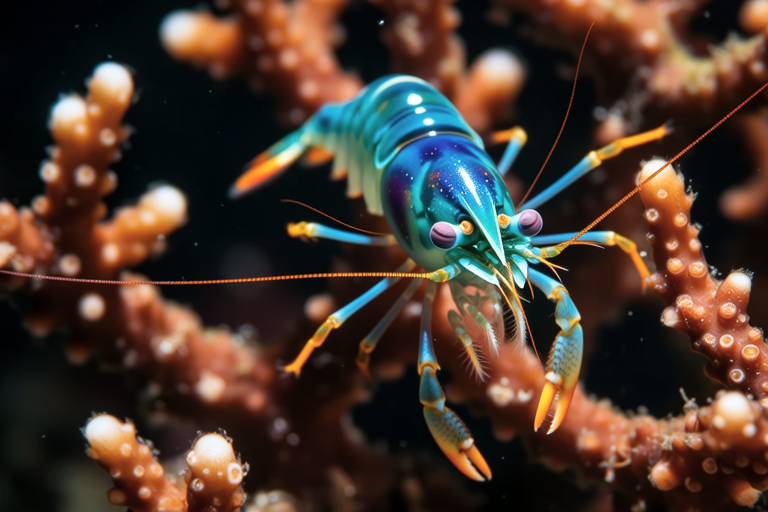
Coral Shrimp: Unique Marine Creatures
Coral shrimp are fascinating creatures that have captured the attention of marine biologists and aquarium enthusiasts alike. These small crustaceans come in various species, each with its own set of characteristics, behaviors, and roles within their marine ecosystems. This article delves into the unique traits of coral shrimp, their habitats, interactions with their environment, and recent scientific discoveries. Additionally, it provides tips for those interested in keeping coral shrimp in home aquariums and highlights the challenges they face in their natural habitat along with ongoing conservation efforts.
Characteristics and Habitats of Coral Shrimp
Coral shrimp, also known as Stenopus hispidus, are small crustaceans that typically grow up to 2 inches in length. They possess a distinctive appearance, characterized by their elongated bodies covered in spines and vibrant colors, often featuring red, blue, and white hues. Their body structure includes three pairs of walking legs and five pairs of swimming legs, which help them navigate through their underwater environments.
These shrimp inhabit tropical and subtropical waters worldwide, primarily residing in coral reefs, rocky crevices, and seagrass beds. Coral reefs serve as their primary habitat due to the abundant food sources and protection from predators. They prefer areas with high water flow and low light intensity, making them well-suited for life in shallow reef zones.
Behaviors and Roles in Marine Ecosystems
Coral shrimp exhibit several intriguing behaviors that contribute to their survival and ecological importance. One notable behavior is their symbiotic relationship with certain fish species, such as cleaner wrasses. The shrimp act as “cleaners,” removing parasites and dead tissue from the fish’s skin, providing mutual benefits. In return for this service, the shrimp receive a steady supply of food.
Additionally, coral shrimp play a crucial role in maintaining the health of coral reefs. By consuming algae and detritus, they help prevent overgrowth that could smother corals. Their scavenging activities also recycle nutrients within the ecosystem, supporting other organisms’ growth.
Recent Studies and Findings About Their Biology
Scientists continue to uncover new information about coral shrimp biology through various research projects. Recent studies have focused on understanding their reproductive strategies, genetic diversity, and responses to environmental changes.
One significant finding involves the discovery of a unique reproductive strategy employed by some coral shrimp species. Instead of laying eggs in the open sea, these shrimp deposit their eggs inside protective cavities within coral structures or rock formations. This approach offers better protection against predators and harsh environmental conditions, increasing offspring survival rates.
Another area of interest lies in investigating how coral shrimp adapt to changing oceanic conditions, particularly rising temperatures and acidity levels associated with climate change. Researchers aim to determine whether these shrimp can tolerate shifting environments or if they require specific adaptations to survive.
Tips for Aquarium Enthusiasts Interested in Keeping Coral Shrimp
If you’re considering adding coral shrimp to your saltwater aquarium, there are several factors to consider:
- Water Quality: Maintain stable water parameters, including temperature (72-82°F), salinity (specific gravity between 1.023 and 1.025), pH (8.1-8.4), and ammonia/nitrite levels at zero. Regular testing ensures optimal conditions for your shrimp.
- Diet: Provide a balanced diet consisting of prepared foods like mysis shrimp, brine shrimp, and commercial pellets designed for carnivorous invertebrates. Supplement with fresh seaweed or algae sheets occasionally.
- Habitat Setup: Create an appropriate environment by incorporating live rock, coral rubble, and caves where your shrimp can hide and establish territories. Ensure sufficient hiding spots to reduce stress and promote natural behaviors.
- Compatibility: Choose tankmates carefully; avoid aggressive or large fish that may prey on your shrimp. Compatible species include peaceful wrasses, gobies, and blennies.
Challenges Faced by Coral Shrimp in Natural Habitats
Coral shrimp face numerous challenges in their natural habitats, primarily due to human activities and environmental factors. Overfishing, pollution, and coastal development disrupt reef ecosystems, reducing available resources and safe havens for these shrimp. Climate change poses additional threats, including increased water temperatures and acidity levels that can harm coral reefs and alter food supplies.
Invasive species also pose a risk to native coral shrimp populations. Non-native predators introduced to new environments may target these shrimp as prey, further diminishing their numbers.
Conservation Efforts Underway
To address these challenges, various conservation initiatives focus on protecting coral reefs and preserving marine biodiversity. Marine protected areas (MPAs) restrict fishing and other extractive activities within designated zones, allowing ecosystems to recover and thrive.
Education campaigns raise awareness among local communities about sustainable practices that minimize impacts on marine environments. Additionally, researchers collaborate with governments and non-profit organizations to develop management plans aimed at mitigating threats faced by coral shrimp and other vulnerable species.
Conclusion
Coral shrimp are captivating marine creatures whose unique characteristics, behaviors, and roles within their ecosystems make them essential components of coral reef communities. Understanding their biology, interactions with the environment, and面临的挑战有助于我们更好地保护这些小生物及其栖息地。通过持续的研究、教育和保护措施,我们可以为珊瑚虾提供一个更安全的未来,确保它们在海洋生态系统中的重要地位。
