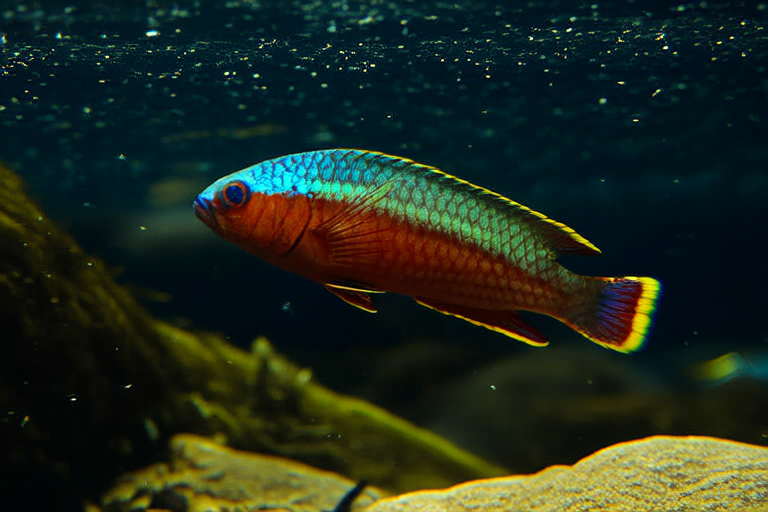
Rajah Cichlid Behavior: A Comprehensive Guide
The Rajah Cichlid, scientifically known as Paratilapia rostrata, is a captivating species native to the freshwater rivers of West Africa. These fish are not only admired for their vibrant colors but also for their fascinating behaviors and unique characteristics that make them a popular choice among aquarists. This article delves into the intricacies of Rajah Cichlid behavior, offering insights into their social interactions, feeding habits, breeding behaviors, and adaptation to various tank setups. Additionally, it addresses common misconceptions about their temperament and provides valuable tips for maintaining a healthy habitat.
Social Interactions: The Dynamics of Rajah Cichlids
Rajah Cichlids are territorial by nature, which plays a significant role in their social interactions within the aquarium. Males, in particular, are known for their aggressive behavior towards other males, especially during mating periods. However, this does not mean they are inherently aggressive towards all tankmates. They can coexist peacefully with other robust species that can hold their own in the tank. It’s crucial to understand that while they may exhibit territorial behavior, they are not indiscriminately hostile.
These cichlids are highly intelligent and can recognize individual tankmates, often developing distinct relationships with certain fish. They engage in complex social behaviors, including courtship displays and defensive posturing. Their ability to communicate through color changes and body language adds another layer of interest to observing their interactions. Understanding these dynamics can help aquarists create harmonious communities in their tanks.
Feeding Habits: What Do Rajah Cichlids Eat?
Rajah Cichlids are omnivorous, meaning they consume both plant matter and animal proteins. In the wild, they feed on algae, small crustaceans, insects, and occasionally smaller fish. To replicate their natural diet in captivity, it’s essential to offer a varied diet that includes high-quality pellets, flakes, frozen or live foods like bloodworms and brine shrimp, and occasional vegetable matter such as blanched spinach or peas.
It’s important to note that overfeeding can lead to health issues, so moderation is key. Feeding twice daily with small portions ensures optimal digestion and prevents waste buildup in the tank. Observing their eating habits can also provide clues about their overall health and well-being. For instance, if a Rajah Cichlid is consistently refusing food, it might indicate stress or illness.
Breeding Behaviors: Reproduction and Care
Breeding Rajah Cichlids can be a rewarding experience for dedicated aquarists. These fish are monogamous and form strong pair bonds. During the breeding season, the pair prepares a spawning site, typically a flat surface like a rock or the bottom of the tank. The female lays hundreds of eggs, which the male then fertilizes. Both parents take turns guarding the eggs and fanning them with their fins to ensure proper oxygenation.
Once the eggs hatch, the fry (baby fish) remain under the care of their parents for several weeks. The parents continue to protect the fry, moving them to safer areas of the tank when necessary. Providing ample hiding spots and ensuring water quality is paramount during this period. It’s also advisable to separate the fry once they become free-swimming to prevent cannibalism.
Successful breeding requires stable water conditions and a well-maintained tank. Regular water changes and monitoring pH levels are crucial for encouraging breeding behaviors.
Adaptation to Different Tank Setups
Rajah Cichlids thrive in environments that mimic their natural habitats. They prefer spacious tanks with plenty of open swimming space and numerous hiding spots. A minimum tank size of 75 gallons is recommended for a single pair, and additional space should be considered for more fish. Decorations like driftwood, rocks, and plants provide essential cover and contribute to a stimulating environment.
Water parameters play a critical role in the health and behavior of Rajah Cichlids. They require soft, slightly acidic water with a pH range of 6.0 to 7.0 and a temperature between 75°F and 82°F. Regular testing and maintenance of these conditions are vital. Additionally, a strong filtration system is necessary to handle the bioload produced by these active fish.
Common Misconceptions About Rajah Cichlid Temperament
One of the most common misconceptions about Rajah Cichlids is that they are overly aggressive and unsuitable for community tanks. While they can be territorial, especially during breeding, they are not necessarily aggressive towards all tankmates. Proper tank setup and careful selection of compatible species can mitigate potential conflicts.
Another misconception is that they are difficult to care for. While they do have specific needs regarding water chemistry and tank setup, providing these requirements is manageable with some research and attention. With the right knowledge, Rajah Cichlids can be rewarding additions to any aquarium.
Maintaining a Healthy Habitat
To ensure the well-being of Rajah Cichlids, it’s essential to focus on several key aspects of tank maintenance:
- Water Quality: Regular water changes and efficient filtration systems are crucial for maintaining clean and healthy water.
- Diet: Offering a balanced diet rich in nutrients supports their growth and health.
- Tank Setup: Providing adequate space, hiding spots, and decorations mimicking their natural habitat enhances their comfort and behavior.
- Monitoring: Regularly observing their behavior and health helps identify any issues early.
A healthy Rajah Cichlid exhibits vibrant colors, active swimming patterns, and a keen appetite. Any deviation from these signs could indicate underlying problems that need addressing.
Conclusion
Rajah Cichlids are fascinating creatures with unique behaviors and characteristics that make them stand out in the world of aquarium fish. By understanding their social interactions, feeding habits, breeding behaviors, and adaptation to different tank setups, aquarists can create thriving environments for these beautiful fish. Dispelling common misconceptions and focusing on maintaining a healthy habitat ensures that Rajah Cichlids can flourish in their aquatic homes.
Whether you’re a novice or an experienced aquarist, Rajah Cichlids offer endless opportunities for learning and enjoyment. Their intelligence, vibrant colors, and dynamic behaviors make them a captivating addition to any aquarium.
