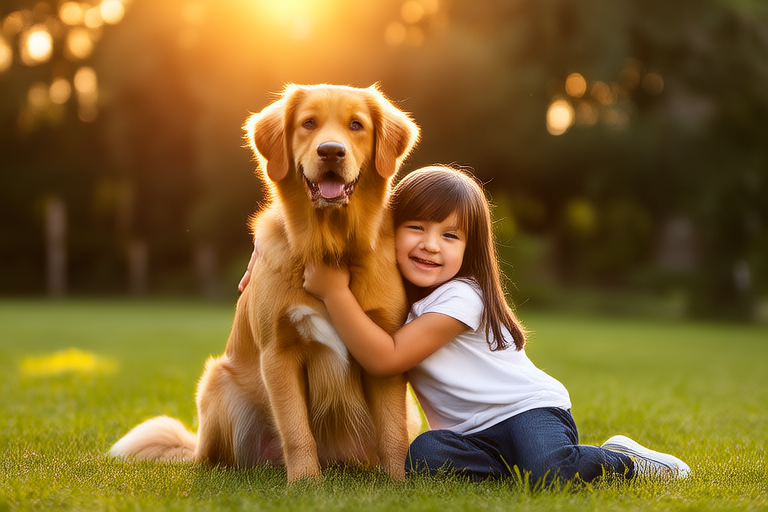
The Golden Retriever’s Secret to Unconditional Love
Golden retrievers have long been cherished for their loyalty, playfulness, and adaptability. These attributes combine to create a breed renowned for offering unwavering affection to their human companions. Whether you’re an existing owner or considering welcoming a golden retriever into your family, understanding the depths of their love can enhance your relationship with this beloved breed.
Understanding the Breed: Loyalty, Playfulness, and Adaptability
Golden retrievers are known for their unwavering loyalty, making them exceptional companions. This trait is rooted in their history as hunting dogs, where they developed a strong bond with their handlers. Scientific studies reveal that dogs, including golden retrievers, experience a surge in oxytocin levels when interacting with their owners, which fosters a deep emotional connection. This biological response contributes to their loyalty and affectionate nature.
Playfulness is another hallmark of golden retrievers. Their playful spirit is evident from puppyhood through adulthood. They thrive on physical activity and mental stimulation, often seeking out opportunities to engage with their owners. This playfulness is not just about fun; it’s also a way for them to strengthen bonds. Engaging in activities like fetch or tug-of-war can deepen the trust and affection between a golden retriever and its owner.
Adaptability is a key factor in golden retrievers’ ability to offer unconditional love. They are highly adaptable to different living situations, from urban apartments to rural homes. Their ability to adjust to various environments allows them to remain consistently loving and supportive, regardless of external conditions. This adaptability is crucial for maintaining a strong bond with their human companions.
Real-Life Anecdotes: Stories of Golden Retriever Love
One heartwarming story involves a golden retriever named Max who lived with a family that included a child with autism. The child, who struggled with social interactions, found solace in Max’s presence. Max provided a constant source of comfort and companionship, helping the child navigate challenging social situations. The child’s parents noted that Max’s unwavering affection and loyalty played a significant role in improving their child’s quality of life.
In another instance, a retired couple adopted a golden retriever to alleviate feelings of loneliness after losing their only child. The golden retriever, named Bella, became a loyal companion, offering unconditional love and support. The couple reported feeling more connected and less isolated since adopting Bella. These stories highlight the transformative impact golden retrievers can have on their human families.
Scientific Insights: The Biological Basis of Golden Retriever Affection
The affectionate nature of golden retrievers is partly explained by their biology. Research indicates that golden retrievers have a higher level of oxytocin, a hormone associated with bonding and attachment. This biological predisposition makes them naturally inclined to form strong emotional connections with their owners. Additionally, their genetic makeup includes traits that enhance their ability to read and respond to human emotions, further reinforcing their reputation as loving companions.
Behavioral studies have also shown that golden retrievers are particularly adept at reading human body language and vocal cues. This skill enables them to provide comfort and support when needed, contributing to their reputation as loving and attentive companions. Understanding these biological and behavioral factors can help owners foster a deeper bond with their golden retrievers.
Tips for Fostering a Strong Bond Between Owners and Their Golden Retrievers
To strengthen the bond between owners and their golden retrievers, it’s essential to engage in regular physical activity. Golden retrievers are energetic dogs that require daily exercise to maintain their health and well-being. Activities such as walking, running, or playing fetch can help release pent-up energy and promote a sense of well-being. Regular physical activity not only benefits the dog but also enhances the bond between the owner and their pet.
Mental stimulation is equally important. Providing puzzles, toys, and training sessions can keep a golden retriever mentally engaged and prevent boredom. Mental stimulation helps to maintain a healthy brain function and promotes a positive attitude. It also provides opportunities for interaction and bonding between the owner and the dog. Engaging in training sessions can also reinforce positive behaviors and strengthen the owner-dog relationship.
Building trust is another crucial aspect of fostering a strong bond. Trust is built through consistent and positive interactions. Ensuring that interactions are always positive and rewarding can help build a foundation of trust. Trust is essential for creating a safe and secure environment for the golden retriever, which in turn enhances their ability to offer unconditional love.
Conclusion: Embracing the Golden Retriever’s Unconditional Love
Golden retrievers are truly remarkable companions, offering unwavering affection through their loyalty, playfulness, and adaptability. By understanding the biological and behavioral factors that contribute to their loving nature, owners can foster a deeper bond with their golden retrievers. Real-life anecdotes and scientific insights provide valuable context for appreciating the depth of love golden retrievers offer. Engaging in regular physical activity, providing mental stimulation, and building trust are essential steps in nurturing a strong and loving relationship. Embracing the golden retriever’s unconditional love can bring immense joy and fulfillment to both the dog and its human companions.
