Betta Bliss: The Ultimate Guide for First-Time Fish Owners
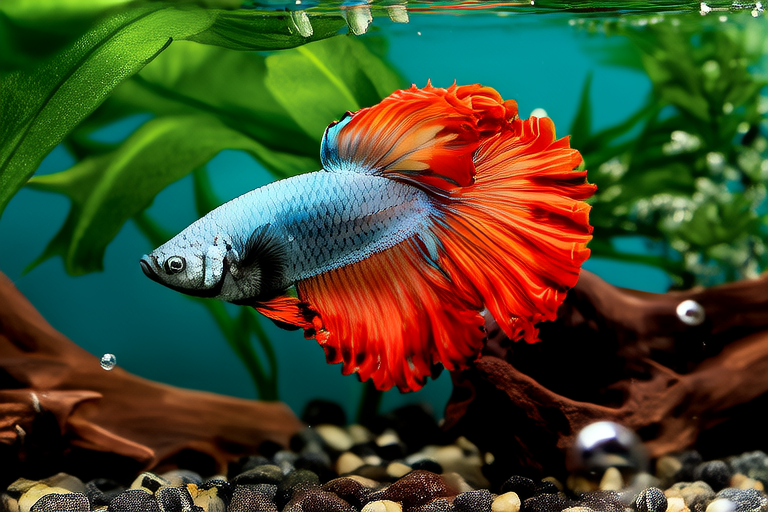
Welcome to the fascinating world of Betta fish! These colorful and captivating creatures have earned a special place in the hearts of many fish enthusiasts. Known for their vibrant hues and flowing fins, Betta fish are a popular choice for beginners and experienced aquarists alike. Whether you’re just starting your journey into fishkeeping or looking for a low-maintenance pet, this guide will help you understand everything you need to know about caring for Betta fish.
Introduction to Betta Fish
Betta fish, also known as Siamese fighting fish, are native to the shallow waters of Thailand, Cambodia, Laos, Vietnam, and Malaysia. Their striking appearance, which includes a wide array of colors and fin shapes, makes them a favorite among aquarium hobbyists. One of the most appealing aspects of Betta fish is their relatively low maintenance requirements, making them an ideal choice for first-time fish owners.
Betta fish are labyrinth fish, meaning they possess a specialized organ that allows them to breathe air directly from the surface. This adaptation enables them to thrive in environments with lower oxygen levels, such as stagnant rice paddies and slow-moving streams. Despite their hardiness, it’s crucial to provide proper care and a suitable habitat to ensure their well-being.
Setting Up the Perfect Habitat
Tank Size
One common misconception is that Betta fish can be kept in small containers like vases. While they can survive in smaller spaces, it’s important to remember that they still require adequate space to swim and explore. A minimum tank size of 2.5 gallons is recommended for Betta fish. Larger tanks, around 5 gallons, offer more room for swimming and better water quality management.
Water Parameters
Maintaining optimal water conditions is vital for the health and longevity of your Betta fish. The ideal temperature range for Betta fish is between 76°F and 82°F (24°C to 28°C). You can achieve this by using a reliable aquarium heater. Additionally, keep the pH level between 6.5 and 7.5, and maintain a hardness level between 5 and 19 dGH. Regular testing of these parameters using test kits will help you ensure a stable environment.
Filtration Systems
A properly functioning filtration system is essential for keeping the water clean and free from harmful toxins. Since Betta fish have a labyrinth organ that allows them to breathe air, they don’t require as much oxygen in the water as other fish. However, a gentle filter that provides some water movement and helps remove waste and debris is beneficial. Look for filters designed specifically for small tanks or those labeled as “betta-safe.”
Feeding Your Betta Fish
Proper nutrition is key to maintaining the health and vibrancy of your Betta fish. A balanced diet consisting of high-quality Betta pellets, flakes, and occasional treats is ideal. Feed your Betta fish once or twice daily, offering only what they can consume within a few minutes. Overfeeding can lead to poor water quality and health issues.
Varying their diet with occasional treats like bloodworms, brine shrimp, or daphnia can enhance their overall health and coloration. It’s important to avoid overfeeding and ensure that all food is consumed within a short period to prevent waste buildup.
Maintaining Water Quality
Regular maintenance of the tank is crucial for the well-being of your Betta fish. Perform partial water changes of approximately 20-30% every week to remove accumulated waste and maintain water quality. During water changes, use a gravel vacuum to clean the substrate and gently rinse it before returning it to the tank.
Monitor the water parameters regularly using test kits to ensure they remain within the recommended ranges. Consistent monitoring will help you identify any potential issues early and take corrective actions promptly.
Common Health Issues and Preventive Measures
Like any living creature, Betta fish are susceptible to various health problems. Some common issues include fin rot, Ich (white spot disease), and swim bladder disorders. Fin rot typically manifests as frayed or discolored fins and is often caused by poor water quality. Ich presents as tiny white spots on the fish’s body and can be treated with medications available at pet stores.
To prevent health issues, maintain excellent water quality, provide a balanced diet, and quarantine any new additions to the tank. Early detection and prompt treatment are crucial for addressing health problems effectively.
Choosing Tank Mates
Betta fish are generally solitary creatures and may become stressed or aggressive when housed with other fish. However, with careful selection and planning, it is possible to create a peaceful community tank. Avoid housing Betta fish with long-finned species or those that are known to nip fins, such as certain tetras or guppies.
If you decide to introduce other fish to the tank, choose peaceful species that are similar in size and temperament. Some suitable tank mates include cherry barbs, harlequin rasboras, and kuhli loaches. Always research the compatibility of each species before adding them to the tank.
Understanding Betta Behavior and Enrichment Activities
Betta fish exhibit a range of interesting behaviors that can be both entertaining and educational. They are known for their territorial nature and may display aggressive postures, such as flaring their gills, when they feel threatened. Providing hiding spots and visual barriers within the tank can help reduce stress and promote natural behavior.
To enrich your Betta’s environment, consider adding plants, caves, and floating decorations. These items not only serve as hiding places but also stimulate natural behaviors such as exploring and foraging. Floating plants, like java moss or water sprite, can also provide a sense of security and a place to rest.
Resources for Further Learning and Community Support
As you embark on your Betta fish journey, there are numerous resources available to help you along the way. Join online forums and social media groups dedicated to Betta fish to connect with fellow enthusiasts and gain valuable insights. Many local pet stores also offer workshops and seminars on fishkeeping, providing hands-on learning opportunities.
Additionally, consult books and websites written by experienced aquarists for more in-depth information. Some recommended titles include “The Betta Book” by Mike Hellweg and “The Simple Guide to Keeping Betta Fish” by Karen Randall. These resources will provide you with a wealth of knowledge and practical tips to ensure your Betta fish thrives in its new home.
In conclusion, owning a Betta fish can be a rewarding and enjoyable experience. By understanding their unique needs and providing a suitable habitat, you can ensure your Betta fish leads a healthy and happy life. With proper care and attention, your Betta fish will bring joy and beauty to your home for years to come. Happy fishkeeping!
