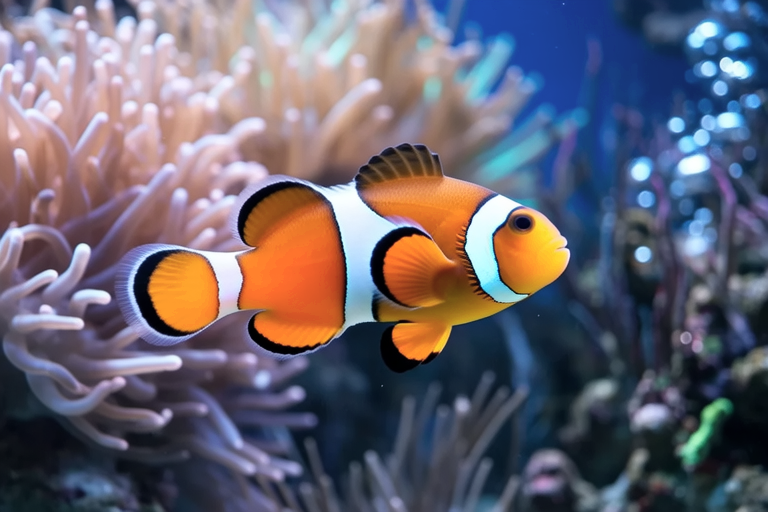
From Finding Nemo to Your Aquarium: The Ultimate Guide to Keeping Clownfish Happy
Since the release of the animated film Finding Nemo, clownfish have become one of the most popular and beloved marine creatures among aquarium enthusiasts. Their vibrant colors, quirky personalities, and unique relationship with sea anemones have captivated audiences worldwide. If you’re considering adding a clownfish to your home aquarium, this guide will provide you with all the necessary information to ensure your new aquatic friend thrives in its new environment.
The Popularity of Clownfish
The surge in clownfish popularity began with the release of Disney-Pixar’s Finding Nemo. The movie showcased the adventurous journey of Marlin, a clownfish father, and his son Nemo. This narrative resonated with many viewers, leading to a significant increase in demand for these fish as pets. However, it’s crucial to understand that keeping a clownfish requires more than just a desire to own a cute and colorful fish; it involves creating an ideal habitat and providing proper care.
Setting Up the Ideal Aquarium Environment
Water Parameters
To maintain a healthy environment for your clownfish, it’s essential to monitor and control several water parameters:
- Temperature: Keep the water temperature between 78°F and 82°F (25°C to 28°C).
- pH Level: Maintain a pH level between 8.1 and 8.4.
- Salinity: Aim for a specific gravity of 1.020 to 1.025.
- Ammonia and Nitrite Levels: Both should be undetectable.
- Nitrate Levels: Keep nitrate levels below 20 ppm.
Regular testing and adjustments are necessary to ensure these parameters remain stable.
Tank Size
Clownfish require ample space to swim and explore. A minimum tank size of 30 gallons is recommended for a single clownfish, while larger tanks are preferable for multiple clownfish or when adding other species. The tank should also have plenty of hiding spots, such as caves or plants, to mimic their natural environment.
Filtration Systems
An efficient filtration system is crucial for maintaining water quality. Choose a filter that can handle at least four to five times the volume of your tank per hour. Sponge filters are particularly beneficial for clownfish as they provide mechanical and biological filtration without causing excessive water flow, which could stress the fish.
Dietary Needs
Clownfish are omnivores, meaning they eat both plant-based and animal-based foods. In the wild, they consume small invertebrates, algae, and zooplankton. In captivity, you can feed them a variety of high-quality flake foods, pellets, frozen foods like brine shrimp, and occasionally fresh vegetables. Ensure a balanced diet to promote good health.
Suitable Tank Mates
Choosing compatible tank mates is vital for the well-being of your clownfish. While clownfish can coexist with various species, it’s important to avoid aggressive or territorial fish that may bully or harm them. Compatible tank mates include other peaceful marine species like damsels, tangs, and wrasses. Always research the compatibility of any new additions before introducing them to your tank.
Encouraging Breeding
Breeding clownfish can be a rewarding experience. To encourage breeding, provide a suitable breeding pair and create a conducive environment. A breeding pair typically consists of one male and one female clownfish. They often establish a strong bond and defend their territory together. Provide plenty of hiding spots and ensure the water conditions are optimal. Once spawning occurs, remove the eggs carefully and place them in a separate tank for incubation. Monitor the eggs closely, ensuring they are kept in a stable environment until hatching.
Selecting Healthy Clownfish
When choosing a clownfish from a breeder or local fish store, look for signs of good health. Healthy clownfish should have bright colors, clear eyes, and active swimming behavior. Avoid fish that show signs of lethargy, cloudy eyes, or visible injuries. It’s also advisable to quarantine new arrivals for a few weeks to prevent the introduction of diseases into your main tank.
Common Health Issues and Preventive Measures
Despite proper care, clownfish may still encounter health issues. Common problems include fungal infections, bacterial infections, and parasitic infestations. Regular monitoring and prompt treatment are key to addressing these issues. Maintaining excellent water quality and providing a nutritious diet can help prevent many health problems. Quarantine new fish and conduct routine water changes to keep your tank clean and free of contaminants.
The Rewarding Experience of Caring for Clownfish
Caring for clownfish can be incredibly rewarding. These fascinating creatures bring joy and beauty to any aquarium. Watching them interact with their environment and each other provides endless entertainment. By understanding their needs and providing the best possible care, you can ensure that your clownfish thrive and bring years of enjoyment to your home.
Whether you’re a novice aquarist or an experienced enthusiast, taking the time to learn about the specific requirements of clownfish will greatly enhance your ability to care for them properly. With the right setup and ongoing attention, you’ll find that keeping clownfish is not only enjoyable but also fulfilling. Embrace the journey of nurturing these captivating marine creatures and savor the rewards of a thriving aquarium.
