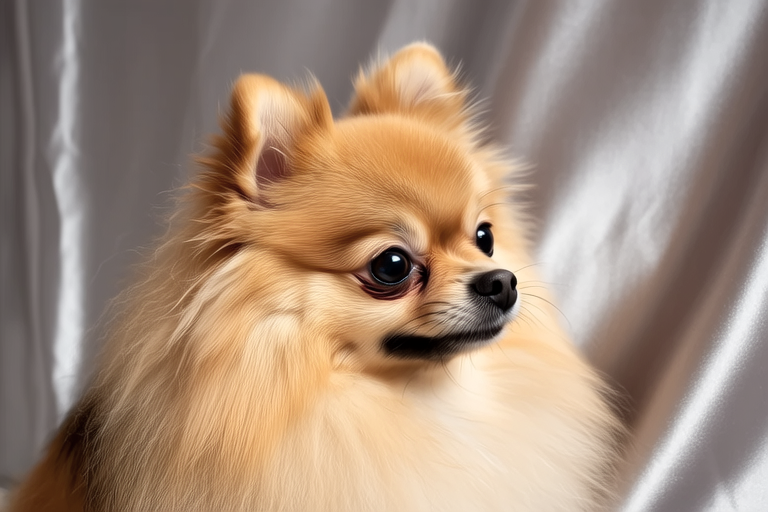
Adorable Fluff Ball: Unraveling the Personality of a Pomeranian
The Pomeranian, often affectionately referred to as a Pom, is a small dog breed known for its vibrant and fluffy coat. Despite their diminutive stature, these dogs pack a lot of personality into their tiny frames. With a rich history and a unique set of characteristics, Pomeranians have earned their place as beloved family pets and show dogs.
A Brief Introduction to the Pomeranian Breed
Pomeranians are descendants of much larger Spitz-type dogs from the Arctic regions. They were originally bred to be working dogs, specifically to herd sheep and protect sleds. However, over time, they were selectively bred down to their current size, making them ideal lapdogs and companions. Today, Pomeranians stand at about 6 to 7 inches tall and weigh between 3 to 7 pounds, making them perfect for apartment living.
One of the most striking features of the Pomeranian is its double coat. The outer coat is long, straight, and harsh, while the undercoat is soft and dense. This coat can come in a variety of colors, including orange, black, cream, brown, and even parti-colors. Their luxurious fur requires regular grooming to keep it looking its best, but it also adds to their charm and appeal.
Lively and Alert Nature: A Product of Their History
The history of the Pomeranian has significantly influenced their temperament. Originally bred to work in harsh climates, they developed a lively and alert nature. These traits are still very much present in modern-day Pomeranians. They are always on the lookout for potential threats or interesting happenings, which makes them excellent watchdogs. Their alertness means they will bark to alert you of visitors or changes in their environment.
Despite their small size, Pomeranians retain a strong sense of self and an independent spirit. This combination of alertness and independence gives them a unique character that sets them apart from other toy breeds. They are highly intelligent and quick learners, which makes them a joy to train, though it can also make them a bit challenging if you’re not prepared for their spirited nature.
Energetic and Sometimes Stubborn: Tips for Owners
Pomeranians are full of energy and require regular exercise to stay healthy and happy. A daily walk or play session is essential to help them burn off excess energy. However, their small size doesn’t mean they can’t participate in more intense activities like agility courses or even obedience trials.
One of the challenges that comes with owning a Pomeranian is their tendency towards stubbornness. This trait can make training sessions a bit tricky. To effectively train your Pom, it’s important to use positive reinforcement techniques such as treats and praise. Avoid punishment-based methods, as they can lead to fear and aggression in your pet. Consistency is key when training a Pomeranian, so ensure all family members follow the same rules and commands.
Vocal Tendencies and Intelligence
Pomeranians are known for being quite vocal. They tend to bark more than many other breeds, which can be endearing but may also become problematic if not managed properly. Understanding the reasons behind their barking is crucial in addressing this behavior. Poms may bark out of excitement, boredom, or simply because they want attention. Training them to understand ‘quiet’ commands can be beneficial in controlling their vocal tendencies.
Intelligence plays a significant role in the Pomeranian’s ability to learn and adapt. They are quick to pick up new tricks and can even learn complex commands with proper training. Puzzle toys and interactive games can help stimulate their minds and prevent boredom, which is crucial for preventing unwanted behaviors like excessive barking or destructive chewing.
Training Methods That Work Best for Pomeranians
Positive reinforcement is the cornerstone of effective Pomeranian training. Use treats, praise, and playtime as rewards for good behavior. This approach not only encourages desired behaviors but also strengthens the bond between you and your dog. Short, frequent training sessions are more effective than long, infrequent ones, especially for a breed as energetic as the Pomeranian.
Consistency is vital when training any dog, but particularly for a breed known for its stubbornness. Make sure all family members are on the same page regarding commands and rules. This consistency helps the Pomeranian understand what is expected of them and reinforces positive behaviors.
Loyalty and Companionship: Why Pomeranians Make Excellent Pets
Pomeranians are fiercely loyal to their families and thrive on human interaction. They enjoy spending time with their owners and can become quite attached, often following their humans around the house. This level of companionship makes them ideal pets for individuals or families who are home frequently.
While Pomeranians are great companions, they are not necessarily suited for every household. They may not be the best choice for families with very young children due to their small size and delicate nature. However, for older children and adults who appreciate a lively, loving companion, a Pomeranian can be a wonderful addition to the family.
In conclusion, the Pomeranian is a delightful breed with a unique blend of traits that make them both challenging and rewarding to own. Their lively, alert nature, combined with their intelligence and loyalty, ensures they remain popular among dog enthusiasts. By understanding and embracing their quirks, potential owners can provide a loving and enriching environment for their furry friends. Whether you’re a first-time dog owner or an experienced handler, a Pomeranian can bring a wealth of joy and companionship to your life.
