From Tundra to Couch: The Ultimate Guide to Living with a Siberian Husky
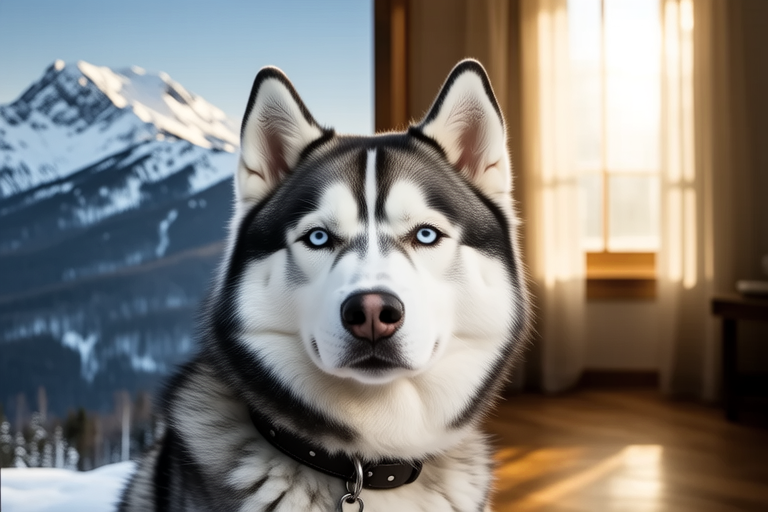
Welcome to your ultimate guide to living with a Siberian Husky! These beautiful, loyal dogs have a rich history that dates back to the frozen tundras of Siberia, where they were bred by the Chukchi people for sled pulling. Their striking blue or brown eyes, thick coats, and unique wolf-like appearance make them stand out from other breeds. Known for their intelligence, independence, and playful nature, Siberian Huskies are beloved by many dog enthusiasts. However, their high energy and need for attention mean they require dedicated owners who can provide the right environment and care.
Understanding the Breed: History and Characteristics
The Siberian Husky was originally bred as a working dog, designed to pull sleds across vast distances in harsh conditions. This heritage has shaped their physical and behavioral traits. They are medium-sized dogs with strong, muscular bodies, standing at about 20 to 23.5 inches tall and weighing between 35 to 60 pounds. Their double coat, consisting of a soft undercoat and a coarser outer layer, provides excellent insulation against cold weather.
One of the most striking features of Siberian Huskies is their expressive eyes, which can be either blue, brown, or a combination of both. This unique eye color is often referred to as ‘wolf eyes’ and adds to their mysterious allure. Their alert and curious demeanor makes them excellent watchdogs, always ready to investigate any new sounds or sights.
Energy Levels and Exercise Needs
Siberian Huskies are known for their boundless energy and need for regular physical activity. In their native environment, they would have been pulling sleds for hours on end, so it’s no surprise that they require plenty of exercise to stay healthy and happy. A typical day for a Husky includes long walks, runs, and play sessions.
In a domestic setting, you can meet their exercise needs by incorporating activities such as jogging, hiking, or playing fetch. Agility courses and obstacle training can also help stimulate both their body and mind. It’s important to note that these dogs are not suited for apartment living unless you can commit to providing ample outdoor time.
Regular exercise not only keeps your Husky physically fit but also helps prevent destructive behaviors that may arise from boredom or excess energy. A tired Husky is a well-behaved Husky!
Dietary Requirements
Feeding your Siberian Husky a balanced diet is crucial for maintaining their overall health. High-quality dog food that meets the nutritional standards set by organizations like AAFCO (Association of American Feed Control Officials) is recommended. Look for foods that are rich in protein and fat, as these are essential for their active lifestyle.
Avoid overfeeding, as obesity can lead to various health problems including joint issues and heart disease. Consult your veterinarian to determine the appropriate portion sizes based on your dog’s age, weight, and activity level. Fresh water should always be available, especially if your Husky spends time outdoors in warmer climates.
Grooming Tips
Given their thick double coat, Siberian Huskies require regular grooming to keep their fur healthy and free from mats. Brushing your dog several times a week will help remove loose hair and prevent shedding inside your home. During the shedding season, which typically occurs twice a year, daily brushing may be necessary.
Bathing your Husky should be done sparingly, usually every few months, to avoid stripping their coat of its natural oils. Use a mild shampoo specifically formulated for dogs and ensure you rinse thoroughly to prevent skin irritation. Regular nail trimming and ear cleaning are also important aspects of grooming.
Common Health Issues
Like all breeds, Siberian Huskies are prone to certain health issues. Some of the more common ones include:
- Eye Problems: Progressive retinal atrophy (PRA), cataracts, and corneal dystrophy can affect vision.
- Cardiac Issues: Atrial septal defect (ASD) and pulmonic stenosis are congenital heart defects that may occur.
- Autoimmune Diseases: Hypothyroidism and diabetes are autoimmune disorders that can develop later in life.
Regular check-ups with your veterinarian are essential for early detection and management of these conditions. Genetic testing can also help identify potential risks before they become serious problems.
Training Methods
Training a Siberian Husky requires patience and consistency due to their independent nature. Positive reinforcement techniques, such as treats and praise, work best when teaching basic commands like sit, stay, come, and down. Avoid harsh punishments, as this can damage the trust between you and your dog.
Consistency is key when it comes to training. Establish clear rules and boundaries early on, and stick to them. Socialization from an early age is also important to ensure your Husky grows up to be well-adjusted and friendly towards strangers and other animals.
Socialization and Compatibility
Siberian Huskies are generally friendly and sociable, making them good companions for families with children. However, they may view smaller pets, such as cats or rabbits, as prey due to their hunting instincts. Proper socialization from puppyhood can help mitigate these tendencies, but it’s still important to supervise interactions between your Husky and other animals.
Children should be taught how to handle and interact with dogs safely. Huskies are energetic and playful, so they enjoy games and activities with kids. However, their strength means that roughhousing should be monitored closely to prevent accidental injuries.
The Commitment Required
Owning a Siberian Husky is a significant commitment that requires time, effort, and resources. These dogs thrive on companionship and do not do well when left alone for extended periods. If you work long hours or travel frequently, consider whether you can provide the attention and care that a Husky needs.
Despite the challenges, owning a Siberian Husky can be incredibly rewarding. Their loyalty, affection, and playful nature make them wonderful family members. With proper care and attention, you’ll have a loving companion for years to come.
In conclusion, living with a Siberian Husky is an adventure filled with joy, challenge, and endless love. By understanding their unique needs and providing the right environment, you can ensure a fulfilling life for both you and your furry friend. Whether you’re a first-time owner or an experienced dog lover, raising a Siberian Husky is sure to bring many memorable moments.
