Adorable Yet Independent: Why You’ll Fall in Love with the Shiba Inu’s Unique Personality
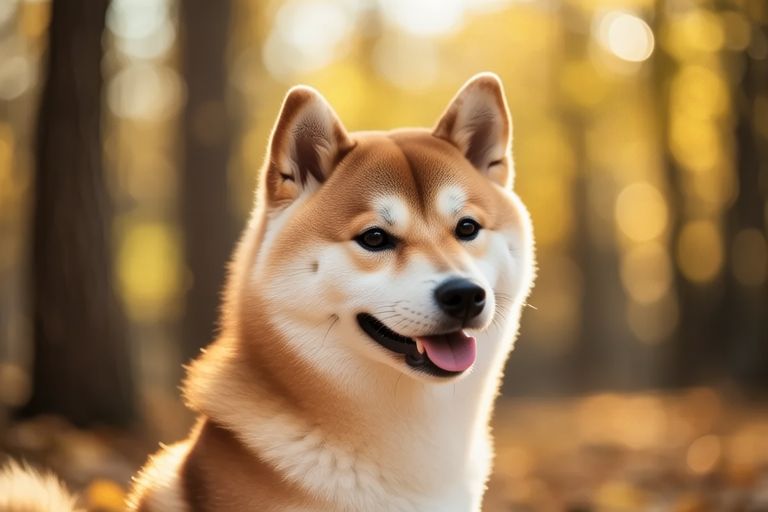
The Shiba Inu, with its fox-like appearance and endearing charm, has captured the hearts of dog lovers worldwide. This ancient breed from Japan combines an adorable, affectionate demeanor with an independent spirit that makes them truly unique. Their dual nature — being both cuddly and self-reliant — creates a fascinating dynamic that can be both challenging and rewarding for owners. Understanding the Shiba Inu’s personality, history, and behavior can help you appreciate this remarkable breed even more.
A Brief History of the Shiba Inu
The Shiba Inu, one of the oldest Japanese breeds, dates back thousands of years. Originally bred as hunting dogs in the mountainous regions of Japan, they were adept at flushing out small game and birds. Despite their diminutive size, Shibas are tough and resilient, attributes that have been preserved through centuries of selective breeding. Their history has profoundly influenced their modern-day temperament, making them loyal, intelligent, and fiercely independent.
The Adorable Side of the Shiba Inu
One of the first things you notice about a Shiba Inu is their striking appearance. With their small, compact build, plush double coat, and expressive eyes, they are undeniably cute. This physical appeal is matched by their affectionate nature. Shibas often form strong bonds with their families, especially with one primary owner. They love to curl up next to you on the couch or follow you around the house, seeking your attention and affection.
Shibas also exhibit a playful side, particularly during puppyhood. They enjoy interactive toys and games that challenge their minds and bodies. Their curiosity and agility make them excellent candidates for puzzle toys and agility training. However, their playfulness doesn’t overshadow their need for personal space, which is a hallmark of their independent streak.
The Independent Streak
Beyond their adorable exterior, Shibas possess a strong sense of independence that sets them apart from many other breeds. This trait stems from their history as hunting dogs, where they needed to operate autonomously while tracking prey. As a result, Shibas can be aloof and reserved around strangers, but they are fiercely loyal to their families. Their independence means they may not always seek constant attention or affection, but when they do, it is often on their terms.
This independence can sometimes lead to stubbornness, especially during training. Shibas are known for their “I’ll-do-it-my-way” attitude, which requires patient and consistent training methods. Positive reinforcement techniques, such as treats and praise, work best for encouraging good behavior. Harsh punishments or excessive force can trigger their stubborn side, leading to resistance rather than cooperation.
Loyalty and Intelligence
Despite their independent streak, Shibas are deeply loyal to their families. They thrive in environments where they feel secure and loved, and they will go to great lengths to protect their pack. This loyalty extends to other family members, including children and other pets, provided they are socialized properly from a young age.
Shibas are also highly intelligent, which contributes to their success in various dog sports like agility and obedience trials. Their intelligence allows them to learn quickly but also means they can become bored easily if not mentally stimulated. Engaging them in activities that challenge their minds is essential for keeping them happy and well-behaved.
Training Tips for the Shiba Inu
Training a Shiba Inu requires patience, consistency, and creativity. Since they are naturally independent, traditional training methods may not always work. Here are some tips to help you train your Shiba:
- Start Early: Begin training as early as possible, ideally during puppyhood. Early socialization and training can help establish good habits and prevent behavioral issues.
- Use Positive Reinforcement: Reward good behavior with treats, praise, and affection. This approach helps build a positive relationship between you and your Shiba.
- Be Consistent: Ensure all family members use the same commands and rules. Inconsistency can confuse your Shiba and hinder progress.
- Keep Training Sessions Short: Shibas have short attention spans, so keep training sessions brief and engaging.
- Use Puzzle Toys: These toys provide mental stimulation and can help prevent boredom-related behaviors like chewing or barking.
Interaction with Families and Other Pets
Shibas generally get along well with families, especially if they are introduced to children and other pets at a young age. Their loyalty and protective instincts mean they will defend their family if necessary, but they are not typically aggressive unless provoked. Socializing Shibas with other animals is important, especially if you plan to introduce them to new pets later in life.
When it comes to other pets, Shibas can coexist peacefully, but they may not always be the most tolerant of smaller animals. Their hunting instincts can make them curious or even predatory towards small creatures like cats or rabbits. Proper supervision and gradual introductions are key to ensuring harmonious relationships.
Common Behaviors and Challenges
Like any breed, Shibas have certain behaviors that are characteristic of their nature. Some of these behaviors are charming, while others can be challenging for new owners. Understanding these behaviors can help you manage them effectively:
- Barking: Shibas are known for their vocal tendencies. While some barking is normal, excessive barking can be a sign of boredom or anxiety. Providing mental and physical stimulation can help reduce unwanted barking.
- Chewing: Shibas are prone to chewing, especially during teething or when they are bored. Offering appropriate chew toys and redirecting their attention can minimize destructive chewing.
- Separation Anxiety: Shibas can experience separation anxiety if left alone for extended periods. Gradually acclimating them to being alone and providing comfort items like blankets or toys can help alleviate this issue.
Conclusion
The Shiba Inu is a breed unlike any other, combining an adorable, affectionate side with an independent spirit that makes them both challenging and rewarding companions. Their loyalty, intelligence, and unique personality traits have earned them a special place in the hearts of dog enthusiasts. By understanding and embracing their dual nature, you can create a loving and fulfilling relationship with your Shiba Inu. Whether you’re a seasoned dog owner or considering adding a Shiba to your family, this remarkable breed is sure to bring joy and adventure into your life.
