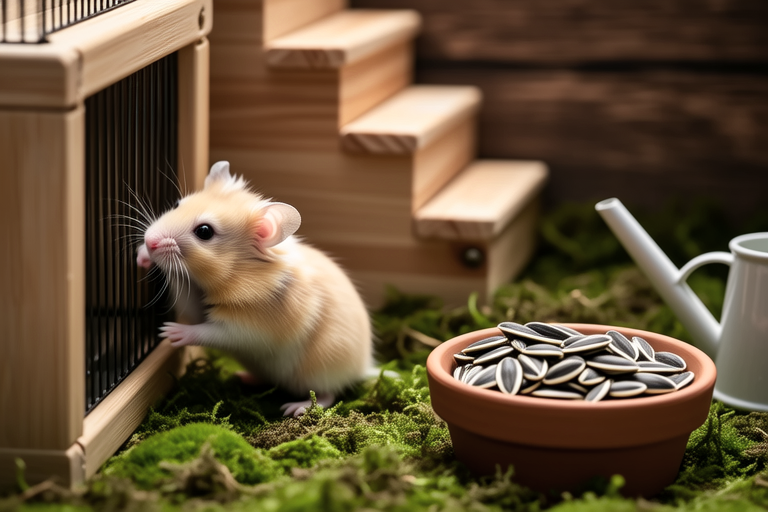
How to Create an Oasis Playground Inside a Cage for Your Hamster
Welcome to the world of hamster care! Creating a stimulating and healthy environment for your furry friend is key to their happiness and well-being. This guide will walk you through the process of building an oasis playground inside a cage that caters to your hamster’s natural behaviors and needs.
Selecting the Right Cage Size and Material
The first step in creating an oasis playground is choosing the right cage. The cage should be large enough to allow your hamster to move around freely while still being small enough to fit into your home comfortably. A good rule of thumb is to provide at least four times the length of your hamster’s body in floor space. For example, if your hamster is about 3 inches long, aim for a cage with at least 12 inches of floor space.
Material-wise, opt for wire cages with a solid bottom. Wire cages allow for proper ventilation, which is crucial for maintaining a healthy living environment. Avoid plastic or glass enclosures as they can trap moisture and odors, leading to health issues for your hamster. Additionally, ensure that the wire spacing is small enough (about 1/2 inch) to prevent your hamster from escaping or getting injured.
Essential Versus Luxury Toys and Accessories
When it comes to toys and accessories, it’s important to differentiate between essentials and luxuries. Essential items include:
- Exercise wheel: Hamsters are active creatures, and an exercise wheel is vital for their physical health. Choose a solid-surface wheel to prevent injuries.
- Hamster house: This provides a cozy spot for your hamster to rest and hide.
- Burrowing materials: Items like tissue paper, shredded paper, or hay encourage natural burrowing behavior.
Luxury items, such as tunnels, ladders, and bridges, add extra stimulation and entertainment but are not strictly necessary. These can be introduced gradually as your hamster becomes comfortable with its new environment.
Safe Substrate Options
The substrate, or bedding, is where your hamster spends most of its time. It should be soft, absorbent, and dust-free to prevent respiratory issues. Popular choices include:
- Paper-based bedding: Made from recycled paper, this type of bedding is hypoallergenic and easy to clean.
- Shredded paper: Another cost-effective option that is safe and comfortable.
- Hay: Provides a natural substrate that encourages foraging and burrowing.
Avoid cedar and pine shavings as they release aromatic oils that can irritate your hamster’s respiratory system.
Creating Hiding Spots and Tunnels
Hamsters are naturally burrowing animals, so providing them with hiding spots and tunnels is essential. You can create these by:
- Adding a hamster house or nesting box.
- Using cardboard tubes or PVC pipes for tunnels.
- Incorporating branches or logs for climbing and exploration.
Ensure that all structures are stable and securely placed to prevent collapses and potential injuries. Regularly check these areas to ensure they remain safe and appealing to your hamster.
Setting Up a Balanced Exercise Area
Exercise is crucial for your hamster’s physical and mental health. In addition to the exercise wheel, consider adding:
- Obstacle courses: Use tunnels, bridges, and ladders to create an engaging play area.
- Running tracks: Place tracks along the sides of the cage for additional running space.
- Foraging toys: Hide treats within toys to encourage natural foraging behavior.
Rotate toys periodically to keep the environment fresh and exciting. This helps prevent boredom and promotes continuous engagement.
Maintaining Cleanliness
Keeping your hamster’s cage clean is paramount to their health. Here are some tips:
- Daily cleaning: Remove soiled bedding and replace it with fresh material.
- Weekly deep cleaning: Disassemble the cage, wash all parts with mild soap and water, and thoroughly dry before reassembling.
- Sanitizing: Use a pet-safe disinfectant to sanitize the cage and accessories regularly.
Pay attention to any signs of illness, such as unusual odor, changes in eating habits, or lethargy. Early detection and intervention are key to preventing serious health issues.
Monitoring and Adjusting the Setup
Your hamster’s preferences and needs may evolve over time. Regularly observe your hamster’s behavior and adjust the setup accordingly:
- Size considerations: As your hamster grows, ensure the cage remains spacious enough for them to move around comfortably.
- Behavioral changes: Pay attention to any shifts in activity levels or preferences. If your hamster seems less interested in certain toys, introduce new ones to maintain engagement.
- Health monitoring: Keep an eye on your hamster’s overall health. Any changes in behavior could indicate underlying issues.
By staying attentive and responsive to your hamster’s needs, you can ensure they live in a stimulating and healthy environment.
Creating an oasis playground inside a cage for your hamster involves careful planning and consideration of their natural behaviors and needs. By selecting the right cage size and material, providing essential and luxury toys and accessories, choosing safe substrate options, creating hiding spots and tunnels, setting up a balanced exercise area, and maintaining cleanliness, you can build a habitat that keeps your hamster happy and healthy. Regular monitoring and adjustments will help ensure your hamster’s environment remains stimulating and appropriate as they grow and their preferences change. Happy hamster parenting!
