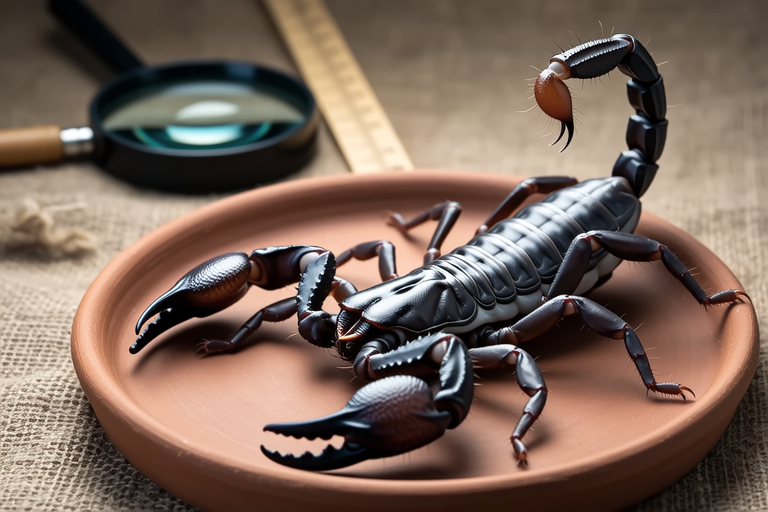
How to Safely Coexist with the Hairy and Spiky Heterometrus Spinifer
The Heterometrus spinifer, commonly known as the hairy and spiky scorpion, is a fascinating arachnid that can make an intriguing pet for those who are prepared to handle its unique challenges. This article will guide you through understanding the species’ behavior, habitat requirements, feeding guidelines, handling tips, safety precautions around children and pets, and signs of distress or illness. Our goal is to ensure a safe and respectful coexistence for both you and your Heterometrus spinifer.
Understanding the Species’ Behavior
Heterometrus spinifer is native to parts of Southeast Asia and is known for its distinctive appearance, characterized by long, spiky hairs covering its body. These scorpions are nocturnal, meaning they are most active during the night. They are solitary creatures and prefer to be left alone, making them ideal pets for individuals who enjoy observing rather than interacting frequently. Their behavior can be unpredictable, so it’s essential to learn about their habits before bringing one home.
Habitat Requirements
Creating a suitable habitat for your Heterometrus spinifer is crucial for its well-being. The enclosure should mimic the natural environment of the scorpion, providing ample space for movement and hiding spots. A glass or plastic tank with a secure lid is recommended, as these scorpions are excellent climbers. The substrate should be at least four inches deep, allowing the scorpion to dig and burrow. Sand or coconut fiber is ideal for this purpose. Temperature and humidity levels must be carefully monitored, with the optimal temperature range being between 75°F and 85°F (24°C to 29°C) and humidity levels between 60% and 80%. Proper ventilation is also necessary to prevent mold growth.
Feeding Guidelines
Feeding your Heterometrus spinifer requires careful consideration. Insects such as crickets, mealworms, and waxworms are suitable food options. It is important to offer prey items that are no larger than half the size of the scorpion’s body to avoid choking hazards. Feeding should occur every 7 to 10 days, depending on the age and size of the scorpion. To ensure proper nutrition, it is advisable to gut-load the feeder insects with nutritious foods prior to feeding them to your scorpion. Additionally, a shallow water dish should always be available for hydration.
Handling Tips
Handling your Heterometrus spinifer should be done with extreme care and caution. Always use gloves and tongs to pick up the scorpion, as its venomous sting can cause severe pain and allergic reactions in some individuals. Approach the scorpion slowly and calmly, avoiding sudden movements that may startle it. If you need to transfer the scorpion from its enclosure, gently coax it into the tongs by placing them near its tail and moving them towards the front of its body. Never attempt to handle the scorpion without proper equipment and training.
Safety Precautions Around Children and Pets
When keeping a Heterometrus spinifer in a household with children or pets, extra safety measures are necessary. Ensure that the enclosure is securely locked to prevent accidental escapes. Teach children to respect the scorpion’s space and never to touch or poke at the enclosure. Supervise any interactions closely and consider keeping the scorpion in a separate room where children and pets do not have access. If a pet is accidentally exposed to the scorpion, seek veterinary assistance immediately.
Signs of Distress or Illness
It is vital to monitor your Heterometrus spinifer regularly for signs of distress or illness. A healthy scorpion will be active, alert, and eating regularly. Signs of distress include lethargy, refusal to eat, unusual aggression, or changes in coloration. If you notice any of these symptoms, consult a veterinarian specializing in exotic animals. Regular check-ups can help catch potential health issues early and improve the chances of successful treatment.
Respect and Caution
Respect and caution are paramount when interacting with your Heterometrus spinifer. Treat the scorpion with the same care and respect you would give any other living creature. Avoid unnecessary handling and disturbances, as stress can weaken the scorpion’s immune system and lead to health problems. By maintaining a clean and appropriate environment, providing a balanced diet, and minimizing stress, you can ensure a harmonious relationship with your scorpion.
Creating a Safe Environment
To create a safe environment for both you and your Heterometrus spinifer, follow these practical tips:
- Choose a secure location for the enclosure, away from high traffic areas and out of reach of children and pets.
- Regularly clean the enclosure to prevent the buildup of bacteria and parasites.
- Monitor temperature and humidity levels daily and adjust as needed.
- Provide a variety of hiding spots and climbing structures to enrich the scorpion’s environment.
- Ensure that all equipment used for handling the scorpion is clean and free from contaminants.
By following these guidelines, you can safely and responsibly coexist with your Heterometrus spinifer, ensuring a rewarding experience for both you and your pet.
