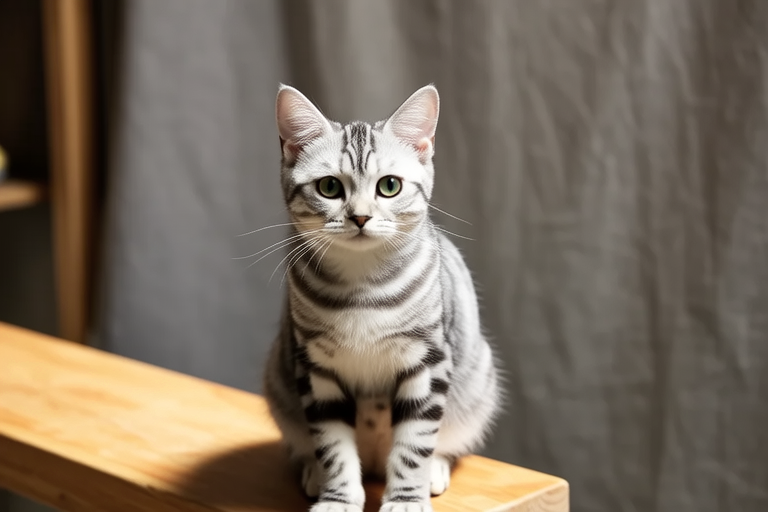
Abyssinian Cats: The Ultimate Guide for New and Prospective Owners
Welcome to the world of Abyssinian cats, one of the most fascinating and beloved breeds of felines. This guide aims to provide you with all the essential information needed to understand, care for, and enjoy your Abyssinian cat. Whether you’re a new owner or considering adopting one, this comprehensive resource will help you make informed decisions about your pet’s health, happiness, and well-being.
Origin and History
The Abyssinian cat has a rich history that dates back centuries. Although the exact origins of the breed are somewhat shrouded in mystery, it is widely believed that Abyssinians originated from ancient Egypt. The breed’s name suggests a connection to the Ethiopian region (formerly known as Abyssinia), where it was thought to have been brought by British soldiers after the Abyssinian War in 1868. These soldiers reportedly found a cat resembling the modern Abyssinian in a market in Alexandria, Egypt, and took it back to England.
However, genetic studies suggest that Abyssinians may actually have originated from Southeast Asia or the Indian Ocean islands. Regardless of their true origins, these cats have become popular worldwide for their unique appearance and charming personalities. Today, Abyssinians are recognized by various cat registries, including the Cat Fanciers’ Association (CFA) and The International Cat Association (TICA).
Typical Appearance and Coat Care
Abyssinians are medium-sized cats with slender yet muscular bodies, giving them an elegant and graceful appearance. Their most distinctive feature is their short, fine-textured coat, which exhibits a striking ticked pattern. Each hair has bands of color, creating a warm, shimmering effect that gives them a wild and exotic look. Common colors include ruddy (a rich, reddish-brown), blue, fawn, and cinnamon.
Maintaining the Abyssinian’s coat is relatively easy, but regular grooming is necessary to keep it healthy and free from mats. Brushing your cat once or twice a week can help remove loose hair and prevent shedding. Pay special attention to the areas behind the ears and under the tail, where hair tends to be longer and more prone to tangling. Additionally, bathing your Abyssinian occasionally can help keep its coat clean and shiny.
While grooming, take the opportunity to check for any signs of skin irritation, parasites, or other health issues. Regular brushing also strengthens the bond between you and your cat, making it a valuable part of your daily routine.
Personality Traits and Interaction with Humans
Abyssinians are known for their lively, playful, and affectionate nature. They are highly social animals that thrive on human interaction and enjoy being part of family activities. These cats are intelligent and curious, often exploring their surroundings with enthusiasm. They are quick learners and can be trained to perform simple tricks or respond to commands, making them a joy to interact with.
Despite their independent streak, Abyssinians generally love companionship and enjoy spending time with their owners. They are not overly demanding but appreciate having a designated space where they can relax and observe their surroundings. Providing them with interactive toys and perches can help satisfy their curiosity and provide mental stimulation.
Due to their friendly and outgoing nature, Abyssinians are excellent pets for families with children and other pets. However, supervision is always recommended when introducing new members to the household to ensure a smooth transition and positive interactions.
Dietary Needs and Health Considerations
A balanced diet is crucial for maintaining your Abyssinian’s health and longevity. High-quality commercial cat food that meets the nutritional requirements of your cat’s age, weight, and activity level is recommended. Look for food that contains high-quality protein sources, such as chicken, fish, or lamb, along with essential vitamins and minerals. Fresh water should always be available to your cat.
Abyssinians are generally healthy cats, but like all breeds, they can be prone to certain health issues. Genetic factors may predispose them to conditions such as dental problems, kidney disease, and progressive retinal atrophy (PRA). Regular veterinary check-ups can help detect and address any potential health concerns early on. Vaccinations and parasite prevention are also important aspects of maintaining your cat’s overall health.
To promote a healthy lifestyle, consider incorporating a variety of foods into your cat’s diet, including occasional treats and fresh vegetables. However, be mindful of the amount of treats given to avoid overfeeding. Obesity can lead to various health problems, so it’s essential to monitor your cat’s weight and adjust its diet accordingly.
Exercise and Play Requirements
Abyssinians are energetic and playful cats that require regular physical activity to stay healthy and happy. Providing them with interactive toys, such as feather wands, laser pointers, and puzzle feeders, can help stimulate their minds and bodies. Encourage your cat to engage in active play sessions, which can also strengthen the bond between you and your pet.
In addition to toys, creating a stimulating environment with climbing structures, scratching posts, and hiding spots can encourage your Abyssinian to explore and exercise. These features allow your cat to mimic natural behaviors, such as climbing and hunting, while providing mental and physical enrichment.
Regular exercise helps maintain a healthy weight and prevents boredom-related behaviors, such as excessive meowing or scratching. It also promotes cardiovascular health and flexibility. Therefore, it’s essential to prioritize playtime and environmental enrichment for your Abyssinian cat.
Common Behavioral Issues and Training Tips
While Abyssinians are generally well-behaved cats, they can sometimes exhibit problematic behaviors, especially if their needs are not met. For example, some Abyssinians may become destructive if left alone for long periods or if they lack mental stimulation. To address this, provide them with interactive toys, scratching posts, and climbing structures to keep them occupied.
Another common issue is inappropriate scratching. Abyssinians, like many cats, need to scratch to maintain their claws and mark their territory. To redirect this behavior, provide sturdy scratching posts and trim your cat’s nails regularly. Reward your cat with treats and praise when it uses the scratching post instead of furniture.
Training your Abyssinian can be rewarding and fun. Positive reinforcement techniques, such as clicker training or offering treats and praise, can help teach your cat basic commands and tricks. Consistency is key when training your cat, so establish clear expectations and reward desired behaviors promptly.
Advice for New and Experienced Owners
For new owners, it’s essential to familiarize yourself with the specific needs and characteristics of Abyssinians. Spend time researching reputable breeders or shelters and ask questions about the cat’s background, health, and temperament. Once you bring your new Abyssinian home, give it time to adjust to its new environment and gradually introduce it to family members and other pets.
Experienced owners can benefit from staying up-to-date on the latest advancements in cat care and nutrition. Joining online forums or attending cat shows can provide opportunities to connect with other Abyssinian owners and share experiences. Additionally, consider participating in cat competitions or agility trials to showcase your cat’s talents and deepen your bond.
No matter your experience level, it’s important to remain patient and understanding when caring for your Abyssinian. Every cat is unique, and what works for one may not work for another. By providing love, attention, and proper care, you can ensure a happy and fulfilling life for your Abyssinian companion.
