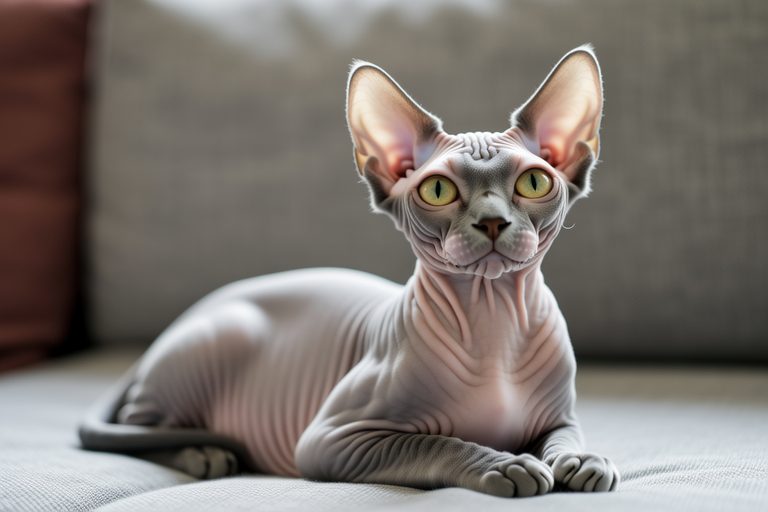
Devon Rex Cats: The Ultimate Guide to Their Bizarre and Adorable Coats
The Devon Rex is a breed of cat known for its distinctively short, wavy fur that sets it apart from most other feline breeds. This guide will delve into the unique characteristics of their coats, the history behind this fascinating breed, care tips for maintaining their unusual fur, common health issues related to their coat, their temperament, popular myths, and why their coats make them stand out.
Unique Characteristics of Devon Rex Coats
Devon Rex cats have a distinctive coat that is both short and curly. Unlike other breeds, their fur is composed of three types of hair: guard hairs, awn hairs, and down hairs. The absence of guard hairs is what gives the Devon Rex its signature look. The result is a coat that feels soft and suede-like to the touch. This texture is achieved through a genetic mutation that affects the growth of the guard hairs. While some Devon Rexes may have a few guard hairs, the majority lack them entirely, leading to a unique, almost velvety feel. Additionally, the waves in their fur can range from loose curls to tight ringlets, creating a visually striking appearance.
History of the Breed
The history of the Devon Rex breed began in England during the 1960s when a stray cat with an unusual coat was found near Buckfastleigh, Devon. This cat, named Kirlee, was the progenitor of the breed. Kirlee’s coat was noted for its wave pattern, which was unlike any seen before in domestic cats. Breeders were intrigued by this trait and began selectively breeding cats with similar coats. Kirlee was mated with a Burmese cat, and the resulting offspring exhibited the same distinctive coat pattern. Over time, the breed was refined, and the Devon Rex was officially recognized as a distinct breed.
Care Tips for Maintaining Their Unusual Fur
Maintaining the unique coat of a Devon Rex requires special attention. Grooming should be done regularly, but gently, as their sensitive skin can be easily irritated. A soft-bristled brush or grooming mitt can help remove dead hair and distribute natural oils throughout the coat. It is important to avoid using harsh chemicals or shampoos that could strip the coat of its natural oils. Instead, opt for mild, pH-balanced shampoos designed for cats. Bathing should be kept to a minimum, as frequent washing can dry out the skin and cause irritation. Regular brushing and gentle wiping with a damp cloth can often suffice.
Common Health Issues Related to Their Coat
Devon Rex cats are prone to certain health issues related to their coat. One of the most common concerns is dermatitis, which can occur due to the thinness of their skin and the lack of guard hairs. This condition can lead to redness, itching, and discomfort. To address this issue, it is crucial to keep the coat clean and free of debris. Additionally, consulting a veterinarian for appropriate treatments, such as medicated shampoos or topical creams, can help manage symptoms. Another potential concern is alopecia, which refers to patches of hair loss. If noticed, it is essential to consult a veterinarian to determine the underlying cause and receive proper treatment.
Temperament and How It Pairs with Their Appearance
The temperament of Devon Rex cats complements their appearance beautifully. They are known for being highly social and affectionate, often seeking out human companionship. Their playful nature makes them excellent companions for families with children or other pets. Devon Rexes are also intelligent and curious, often engaging in interactive play. Their mischievous side adds to their charm, making them delightful to watch. Their appearance, with its quirky, elfin features and expressive eyes, further enhances their appeal. Together, these traits create a breed that is both visually captivating and emotionally engaging.
Popular Myths and Misconceptions About Devon Rex Coats
There are several myths and misconceptions surrounding Devon Rex coats. One common belief is that their lack of guard hairs means they are hypoallergenic. However, this is not true. While some people may find that they are less allergic to Devon Rex cats, no cat breed is completely hypoallergenic. Another misconception is that their coats require minimal grooming. In reality, regular grooming is necessary to maintain the health and appearance of their unique fur. Lastly, some people think that Devon Rexes are more susceptible to cold temperatures due to their short coats. While they may appreciate warmer environments, they can still thrive in cooler climates with proper care.
Why Their Bizarre Yet Adorable Coats Make Them Stand Out
The bizarre yet adorable coats of Devon Rex cats set them apart in the world of feline pets. Their unique appearance captures attention and admiration wherever they go. The combination of their short, curly fur and distinctive facial features creates a breed that is both striking and endearing. Their coats are not just aesthetically pleasing; they also reflect the breed’s genetic uniqueness and the efforts of dedicated breeders who worked to refine this remarkable trait. Whether you’re a seasoned cat enthusiast or new to the world of feline companions, the Devon Rex is sure to leave a lasting impression with its one-of-a-kind appearance.
