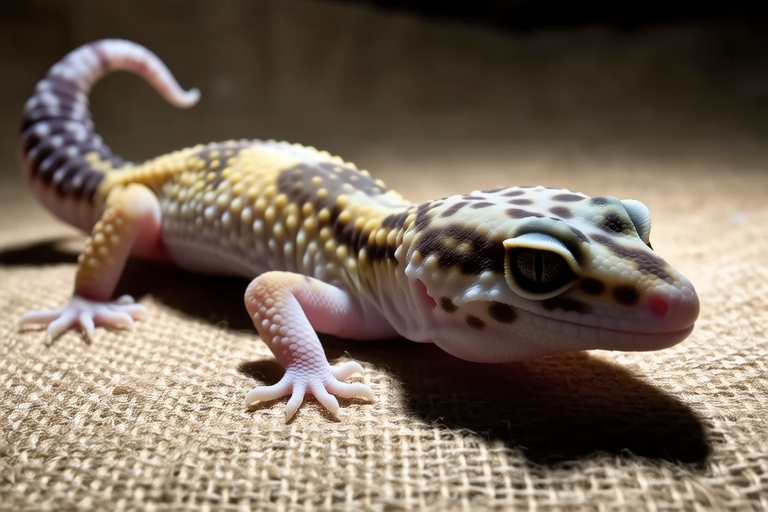
Choosing the Right Chameleon as a Pet
Introduction: Chameleons have long captured the imagination of animal enthusiasts with their unique ability to change color and their striking appearance. These reptiles make fascinating pets for those who are willing to commit to their specialized needs. However, before bringing one into your home, it’s crucial to understand that chameleons require specific environmental conditions, dietary needs, and handling techniques. This guide will walk you through the process of choosing the right chameleon as a pet, from researching different species to ensuring your new companion thrives in its new environment.
Step 1: Research Different Species
The first step in selecting a chameleon as a pet is to research the various species available. There are over 200 species of chameleons, but only a few are commonly kept as pets. Some popular choices include the veiled chameleon (Chamaeleo calyptratus), panther chameleon (Furcifer pardalis), and Jackson’s chameleon (Trioceros jacksonii). Each species has distinct characteristics, such as size, temperament, and care requirements. For instance, the veiled chameleon is known for its large size and aggressive nature, making it more suitable for experienced keepers. In contrast, the panther chameleon is smaller and more docile, ideal for beginners.
When researching, consider factors like the chameleon’s native habitat, average lifespan, and any potential health issues. This knowledge will help you choose a species that aligns with your lifestyle and resources. Additionally, understanding the natural behaviors of your chosen species can enhance your ability to provide a stimulating and enriching environment.
Step 2: Understand Their Care Requirements
Once you’ve selected a species, it’s essential to thoroughly understand their care requirements. Chameleons are arboreal animals, meaning they spend most of their time in trees. They need a vertical enclosure that mimics this natural environment. The enclosure should be spacious, with a minimum height of 3 feet for smaller species and 4 feet for larger ones. Proper ventilation is also crucial to prevent the buildup of harmful bacteria and fungi.
Temperature and humidity levels must be carefully controlled to mimic the chameleon’s natural habitat. Most species thrive in temperatures between 75°F and 85°F during the day and slightly cooler at night. Humidity levels should range from 50% to 70%, depending on the species. Providing UVB lighting is vital for calcium absorption and overall health. A diet consisting of insects, supplemented with vitamins and minerals, is necessary for optimal nutrition.
Understanding these requirements ensures that your chameleon will live a healthy and happy life. It’s advisable to consult with experienced keepers or veterinarians specializing in reptiles for additional guidance.
Step 3: Set Up the Right Habitat
Creating an appropriate habitat is one of the most critical aspects of chameleon care. Start by selecting a suitable enclosure. As mentioned earlier, the size and shape of the enclosure depend on the species you choose. For example, a 4-foot tall by 2-foot wide cage is adequate for a full-grown veiled chameleon.
Next, focus on the substrate. Many keepers opt for a no-substrate setup to prevent ingestion of harmful particles. Instead, use branches, vines, and plants to create a natural climbing structure. Live plants, such as ficus trees and pothos, not only add aesthetic value but also contribute to humidity regulation and provide hiding spots. Ensure that any plants used are safe and non-toxic for chameleons.
Lighting is another important consideration. Install a combination of UVB and heat lamps to ensure proper basking areas and regulate temperature gradients within the enclosure. Place the UVB lamp at the top of the enclosure, about 12 inches above the basking spot, to provide adequate exposure. Use a digital thermometer and hygrometer to monitor temperature and humidity levels regularly.
Finally, ensure that the enclosure is secure, with tight-fitting screens to prevent escape and provide adequate ventilation. A well-planned habitat not only benefits your chameleon’s physical health but also promotes mental stimulation and reduces stress.
Step 4: Consider the Cost and Time Commitment
Owning a chameleon involves significant financial and time commitments. Initial costs include purchasing the enclosure, lighting, substrate, plants, and other accessories. Expect to spend anywhere from $200 to $500 on these items, depending on the quality and size of the enclosure. Additional expenses may arise from regular maintenance, such as replacing lighting fixtures and cleaning supplies.
Maintaining a chameleon’s health requires ongoing attention. Feeding insects daily, monitoring water intake, and providing fresh foliage for hydration are just a few responsibilities. Regular veterinary check-ups and treatments for parasites or infections can also incur costs. It’s essential to factor in these expenses when deciding if a chameleon is the right pet for you.
Time commitment is equally important. Chameleons are solitary animals and do not enjoy frequent handling. However, they still require daily observation to ensure they’re eating, drinking, and behaving normally. Regular cleaning of the enclosure and monitoring of environmental conditions also demand consistent effort. Be prepared to dedicate several hours each week to your chameleon’s care.
Step 5: Find a Reputable Breeder or Seller
Acquiring your chameleon from a reputable source is crucial for ensuring its health and well-being. Avoid purchasing from pet stores or online sellers without proper credentials. Instead, seek out breeders who specialize in the species you’re interested in. Reputable breeders prioritize the health and welfare of their animals, providing documentation of genetic lineage, health records, and care instructions.
When visiting a breeder, ask questions about the chameleon’s origin, age, and any potential health issues. Observe the living conditions and interact with the breeder to gauge their knowledge and dedication. A responsible breeder will be transparent about the challenges of chameleon ownership and offer guidance on care and feeding.
Alternatively, consider adopting a chameleon from a rescue organization or shelter. These organizations often have experienced staff who can provide valuable insights into the chameleon’s history and specific care needs. Adopting a rescue chameleon not only benefits the animal but also supports a worthy cause.
Step 6: The Adoption Process
Once you’ve found a suitable chameleon, the adoption process begins. Prepare the enclosure in advance, ensuring all equipment is set up correctly and functioning properly. The day of adoption, bring along any necessary supplies, such as a carrying container and water bottle.
During the transfer, handle the chameleon gently, minimizing stress. Place the chameleon in its new enclosure and allow it to explore at its own pace. Provide fresh food and water immediately, but avoid excessive handling for the first few days. Give your new pet time to adjust to its surroundings and establish a routine.
Keep a close eye on your chameleon’s behavior and health during the initial weeks. Monitor appetite, defecation patterns, and activity levels. If you notice any signs of illness or distress, contact a veterinarian specializing in reptiles for advice.
Tips for Acclimating Your New Chameleon to Its Home and Maintaining Its Health
After bringing your chameleon home, focus on creating a comfortable and stress-free environment. Gradually introduce new elements, such as live plants and branches, to the enclosure. This helps your chameleon become accustomed to its new surroundings without overwhelming it.
Establish a feeding schedule based on your chameleon’s preferences and dietary needs. Offer a variety of insects, including crickets, dubia roaches, and silkworms. Dust the insects with a high-quality calcium and vitamin D3 supplement before feeding to ensure proper nutrition.
Regularly clean the enclosure to maintain hygiene and prevent the spread of disease. Remove waste promptly and sanitize the enclosure monthly. Pay attention to any changes in behavior or appearance, as these could indicate underlying health issues. Early detection and treatment can prevent more serious problems.
Lastly, provide mental stimulation through enrichment activities, such as introducing new toys or rearranging the enclosure layout periodically. This encourages exploration and exercise, promoting both physical and mental well-being.
By following these steps and tips, you’ll be well on your way to providing a loving and supportive home for your new chameleon. Remember, patience and dedication are key to successfully integrating your chameleon into your family and ensuring its long-term health and happiness.
