The Ultimate Betta Diet: Feeding Tips for Healthy Growth
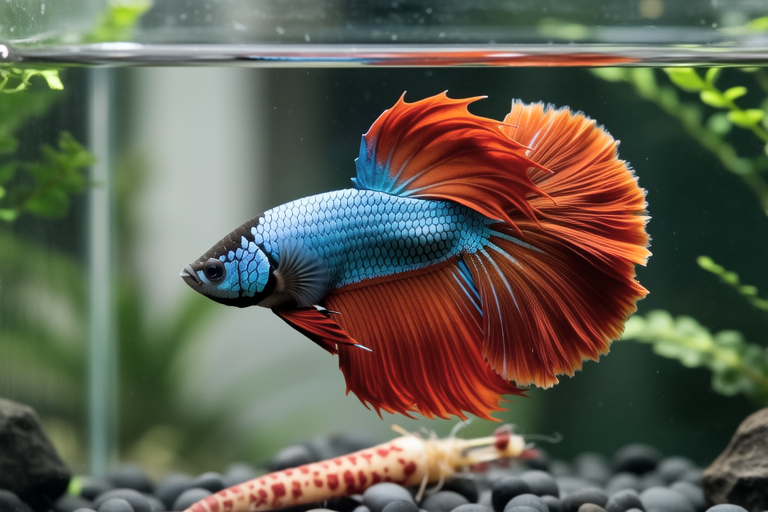
Betta fish, also known as Siamese fighting fish, are one of the most popular aquarium pets due to their vibrant colors and flowing fins. However, many owners overlook the importance of providing a balanced diet to keep these beautiful creatures healthy and thriving. A well-fed betta is not only more colorful but also more active and less prone to diseases. This article will guide you through the dietary needs of bettas, suitable foods, feeding tips, and general care to ensure your betta enjoys a long and healthy life.
Understanding Betta’s Dietary Needs
Like any other living organism, bettas require a balanced diet to maintain optimal health. Their natural habitat consists of shallow, slow-moving waters where they feed on small insects, larvae, and aquatic plants. In captivity, it’s crucial to replicate this diet as closely as possible to provide them with the necessary nutrients. A balanced diet ensures proper growth, strong immune systems, and vibrant coloration. Without adequate nutrition, bettas may become lethargic, develop health issues, and even die prematurely.
Variety of Foods Suitable for Betta Fish
Live Foods
Live foods mimic the betta’s natural diet and can be highly beneficial. These include bloodworms, brine shrimp, mosquito larvae, and daphnia. Live foods offer a range of nutrients and can help stimulate the betta’s hunting instincts. They are particularly useful for conditioning bettas before breeding or for those who want to encourage fin growth.
Frozen Foods
For those who prefer a more convenient option, frozen foods are an excellent alternative. They come in various forms such as bloodworms, brine shrimp, and daphnia. Frozen foods retain most of their nutritional value and are easy to store. They are also less likely to carry parasites compared to live foods, making them safer for your betta.
Commercial Foods
Commercial betta pellets and flakes are widely available and designed to meet the nutritional needs of bettas. These products often contain a mix of proteins, vitamins, and minerals essential for growth and maintenance. It’s important to choose high-quality brands that use real meat-based ingredients rather than cheaper fillers. Some commercial foods also include color-enhancing additives to bring out the betta’s natural hues.
Feeding Tips for Optimal Health
Portion Control
Overfeeding is a common mistake among betta owners. Betta fish have small stomachs, approximately the size of their eyes. Feed them only what they can consume within two minutes. Overfeeding can lead to water pollution, obesity, and digestive issues. Uneaten food should be removed from the tank to prevent contamination.
Frequency of Feeding
Young bettas need to be fed more frequently, typically twice a day. Adult bettas, however, can be fed once daily. Consistency in feeding times helps regulate digestion and metabolism. Avoid feeding bettas directly after water changes, as their digestive systems may still be adjusting to the new environment.
Variety in Diet
To prevent boredom and ensure all nutritional requirements are met, vary your betta’s diet. Introduce different types of food regularly to provide a balanced intake of proteins, fats, and carbohydrates. A varied diet can also reduce the risk of selective feeding, where bettas refuse certain types of food.
Transitioning Betta to New Types of Food
When introducing new foods, start by mixing a small amount with their current diet. Gradually increase the proportion of the new food over several days. This approach allows your betta to adjust to the taste and texture without causing stress or digestive upset. Be patient during the transition process, as some bettas may take longer to adapt.
Signs of Overfeeding and Malnutrition
Overfeeding
- Cloudy or greenish water
- Excessively bloated belly
- Visible uneaten food floating in the tank
- Increased ammonia levels
Malnutrition
- Lethargy and reduced activity
- Loss of appetite
- Unhealthy-looking scales and fins
- Pale or dull coloring
General Care Tips to Complement Proper Feeding Practices
Water Quality
Maintaining good water quality is crucial for betta health. Regular water changes, ideally 25% weekly, help remove toxins and waste. Use a high-quality water conditioner to neutralize harmful chemicals like chlorine and chloramine. Monitor water parameters such as pH, temperature, and hardness to ensure they are within the appropriate ranges for bettas.
Habitat Enrichment
Bettas thrive in enriched environments. Provide hiding spots, caves, and plants to mimic their natural habitat. Floating plants, such as Java moss, can also serve as spawning sites and reduce stress. Ensure the tank has enough space for swimming and exploration. While bettas are labyrinth fish capable of breathing air, they still benefit from well-oxygenated water.
Handling Stress
Bettas are sensitive to environmental changes and stressors. Minimize sudden movements, loud noises, and excessive handling. Avoid overcrowding the tank and introduce new tank mates gradually. Bettas can become territorial, so it’s best to house them alone or with non-aggressive species.
Regular Health Checks
Perform regular visual inspections to monitor your betta’s health. Look for signs of illness such as clamped fins, rapid gill movement, or unusual spots. If you notice any concerning symptoms, consult a veterinarian specializing in exotic pets for proper diagnosis and treatment.
Conclusion
Proper feeding is fundamental to the health and longevity of betta fish. By understanding their dietary needs and following the feeding tips outlined in this article, you can ensure your betta enjoys a balanced and nutritious diet. Combined with good water quality, habitat enrichment, and stress management, these practices will contribute to a happy and thriving betta. Remember, a well-fed betta is a healthy betta, and a healthy betta is a joy to watch in your aquarium.
