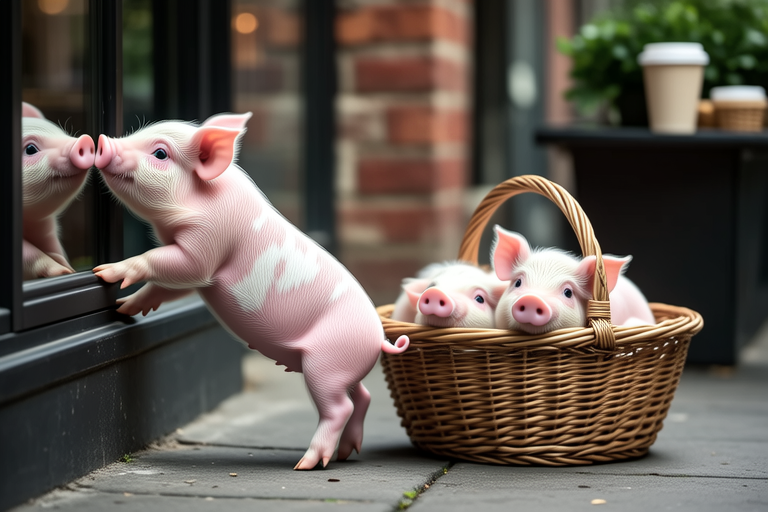
Mini Pigs as Urban Pets: The Growing Trend
The increasing trend of mini pigs as urban pets is a fascinating phenomenon that has captured the hearts of many city dwellers. These pint-sized versions of traditional farm pigs have become increasingly popular over recent years, thanks to their perceived cuteness and adaptability to urban living. However, it’s important to delve deeper into the realities of owning a mini pig, including their actual size, behavior, and specific care requirements.
The Appearance and Cuteness of Mini Pigs
Mini pigs are often described as adorable, with their small stature, curly tails, and expressive eyes. Their appearance contributes significantly to their popularity as pets. Many people are drawn to their baby-like features and endearing demeanor. In urban settings, where space is limited, mini pigs can be seen as an ideal pet for apartment dwellers who want a companion animal without the responsibility of a large dog or cat.
Common Perceptions vs. Reality
One of the most significant misconceptions about mini pigs is their size. While they are smaller than standard pigs, they still require ample space and proper nutrition. Mini pigs can range in weight from 50 to 70 pounds, depending on the breed. This size makes them unsuitable for living in cramped spaces, especially in urban environments where apartments and condominiums are common.
Another misconception is that mini pigs are low-maintenance pets. In reality, they require regular exercise, mental stimulation, and a balanced diet to stay healthy. Unlike cats or dogs, mini pigs need more attention and care to prevent obesity and related health issues.
Behavior and Care Requirements
Mini pigs are intelligent and social animals that thrive on interaction with their human companions. They enjoy playing, exploring, and learning new tricks. Training a mini pig can be rewarding, but it requires patience and consistency. Positive reinforcement techniques work best when teaching your mini pig commands and behaviors.
Dietary needs are crucial for maintaining a mini pig’s health. A balanced diet rich in vegetables, fruits, grains, and proteins is essential. Overfeeding or providing an unbalanced diet can lead to obesity, which poses serious health risks. Owners must be vigilant about portion control and avoid feeding treats high in sugar or fat.
Challenges of Urban Living
Space limitations present one of the biggest challenges for mini pigs living in urban environments. Despite their relatively small size, mini pigs need room to move around freely. A confined space can lead to behavioral problems such as chewing furniture or digging up carpets. Providing an outdoor area for exercise and play is recommended whenever possible.
Another challenge is ensuring adequate ventilation. Mini pigs are sensitive to heat and humidity, making air conditioning or fans necessary during hot weather. Additionally, owners should be aware of the potential for noise complaints from neighbors if their mini pig becomes too vocal.
Expert Insights
Experts emphasize the importance of research and preparation before bringing a mini pig into an urban home. Dr. Sarah Johnson, a veterinarian specializing in exotic animals, advises prospective owners to consider the long-term commitment involved. “Mini pigs can live up to 15 years,” she says. “It’s crucial to ensure you’re prepared for the financial and emotional investment required.”
Owners also share valuable insights. Emily Thompson, who has owned a mini pig for five years, recommends creating a designated area within the house for her pet. “Having a space just for my pig helps keep her happy and prevents damage to our belongings,” she explains. “Regular grooming and nail trimming are also essential to maintain her overall health.”
Advice for Potential Owners
For those considering adding a mini pig to their urban household, there are several key points to keep in mind:
- Research thoroughly: Understand the specific needs of mini pigs, including their dietary requirements and exercise habits.
- Prepare your living space: Ensure you have enough room for your mini pig to move around comfortably. Consider creating an indoor-outdoor setup if possible.
- Consult professionals: Speak with veterinarians and experienced owners to gain insight into the realities of raising a mini pig.
- Be patient and consistent: Training and bonding with your mini pig will take time and effort.
- Stay committed: Remember that mini pigs are long-lived animals requiring lifelong care.
By following these guidelines and being well-informed, potential owners can provide a loving and suitable environment for their mini pigs, ensuring both the animal’s happiness and the owner’s satisfaction.
