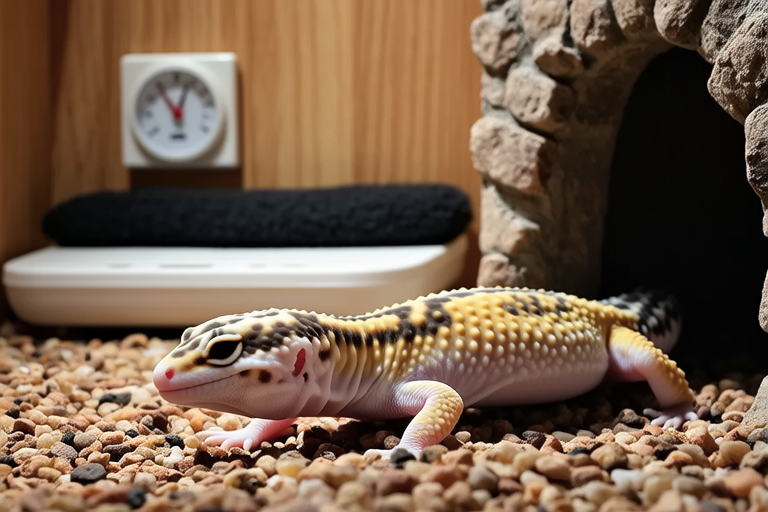
The Ultimate Leopard Gecko Habitat Setup Checklist
Welcome to your comprehensive guide on setting up the perfect habitat for your leopard gecko. This guide will cover everything you need to know to ensure your gecko’s health and happiness, from choosing the right tank size to maintaining the necessary environmental conditions.
Appropriate Tank Size
Leopard geckos require ample space to move around comfortably. A 10-gallon tank is suitable for one adult gecko, but larger tanks are preferable for multiple geckos or for those who want more room for accessories. For every additional gecko, add an extra 5 gallons of tank space. Ensure that the tank is tall enough to allow vertical climbing, as geckos enjoy exploring higher areas.
Substrate Options
Selecting the right substrate is crucial for your gecko’s health. Avoid substrates that can be ingested and cause impaction, such as sand or gravel. Instead, opt for safer alternatives like paper towels, reptile carpet, or coconut fiber bedding. These materials provide a clean, safe environment and are easy to maintain.
Temperature and Humidity Requirements
Maintaining the correct temperature gradient is vital for your gecko’s metabolism and digestion. Use a heat mat or under-tank heater to create a warm side of the tank at around 88-90°F (31-32°C) and a cooler side at about 75-80°F (24-27°C). A basking spot of 90-95°F (32-35°C) can be provided with a ceramic heat emitter or basking light. Monitor temperatures with thermometers placed on both sides of the tank. Humidity should be kept low, around 30-40%, to prevent respiratory infections. Use a hygrometer to measure humidity levels.
Hiding Spots
Leopard geckos need hiding spots to feel secure. Provide several hideouts, including a moist hide for shedding. Moist hides can be created by placing damp sphagnum moss inside a plastic container with ventilation holes. Ensure that all hides are large enough for your gecko to fit comfortably and are easily accessible.
Lighting Needs
Leopard geckos are nocturnal and do not require UVB lighting. However, providing a low-wattage red or blue bulb can help you observe your gecko’s nighttime activities without disturbing its natural behavior. Always use a timer to simulate day and night cycles, ensuring 12 hours of light and 12 hours of darkness.
Feeding Stations
Feed your gecko in a separate container to prevent substrate ingestion and make it easier to monitor food intake. This also helps keep the main enclosure cleaner. Place the feeding station in the warm area of the tank to encourage eating, as geckos tend to eat more when they’re warm.
Water Dishes
Provide a shallow water dish that your gecko can easily access. Change the water daily to ensure freshness and cleanliness. Some geckos may not drink from standing water, so misting the enclosure occasionally can help them stay hydrated.
Cleaning Schedule
Regular maintenance is key to keeping your gecko’s habitat clean and healthy. Spot-clean the enclosure daily by removing waste and uneaten food. Perform a deep clean every two weeks, which includes removing all substrate, cleaning the tank and accessories with a reptile-safe disinfectant, and replacing the substrate. Always wash your hands before and after handling your gecko or cleaning its habitat.
Tips for Beginners
Starting with a single gecko allows you to focus on creating the best environment and learning about their care. Research thoroughly before making any purchases. Join online forums and local reptile clubs to connect with experienced owners and ask questions. Remember, patience is key; it takes time to understand your gecko’s behavior and needs.
Safety Considerations
Avoid overcrowding the tank with too many decorations, as this can lead to stress and difficulty in maintaining hygiene. Ensure all accessories are securely fastened to prevent falls or injuries. Keep the tank away from direct sunlight and drafts to avoid temperature fluctuations. Always supervise children when they handle the gecko to prevent accidental harm.
Conclusion
By following this checklist, you’ll create a healthy and comfortable habitat for your leopard gecko. Regular monitoring of temperature, humidity, and overall cleanliness ensures your gecko thrives. With proper care, your gecko will live a long, happy life. Remember, the more effort you put into understanding and meeting your gecko’s needs, the more rewarding your companionship will be.
