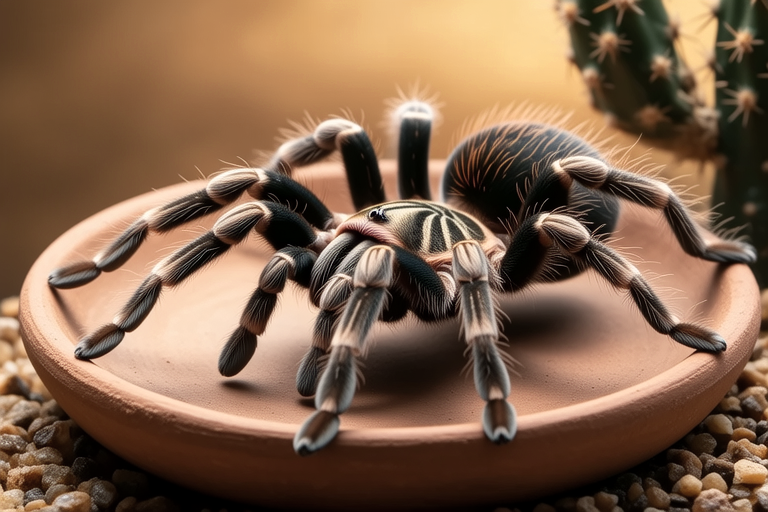
The Silent Stalker: All You Need to Know About Keeping a Chilean Rose Tarantula
Chilean rose tarantulas, also known as Grammostola rosea, have gained popularity among exotic pet enthusiasts due to their manageable size, docile nature, and vibrant appearance. These tarantulas are native to the arid regions of Chile and Argentina, where they thrive in the wild. However, before bringing one into your home, it is crucial to understand their unique requirements and the responsibilities that come with owning such an unusual pet. This guide will walk you through everything you need to know about keeping a Chilean rose tarantula, from its natural habitat to common health issues.
Natural Habitat
The Chilean rose tarantula hails from the dry, desert-like regions of South America. They are well-adapted to hot and arid environments, making them excellent candidates for life in captivity. In the wild, these spiders live in burrows, which they dig themselves or take over from other animals. Their burrows provide shelter from predators and harsh weather conditions, allowing them to remain hidden during the day and hunt at night. Understanding their natural environment helps recreate a similar setting in captivity, ensuring your pet thrives.
Ideal Living Conditions
Creating the right environment for your Chilean rose tarantula is essential for its health and happiness. Start by selecting an appropriate enclosure, ideally a glass terrarium with a secure lid to prevent escapes. The enclosure should be large enough to allow the spider ample space to move around comfortably, typically 10 gallons for a juvenile and 20 gallons for an adult. Substrate is another critical element; coconut fiber, bark chips, or a mix of sand and soil work well. This substrate should be kept moist but not wet to mimic the humidity levels found in their natural habitat.
Temperature and humidity are key factors in maintaining a healthy environment. Keep the temperature between 75-85°F (24-29°C) during the day, dropping slightly at night. Use a hygrometer to monitor humidity levels, aiming for 60-70%. A shallow water dish should be provided, but ensure it does not overflow, as excess moisture can lead to respiratory issues. Additionally, include hiding spots such as cork bark or small caves to give your tarantula a sense of security.
Dietary Needs
Feeding your Chilean rose tarantula is straightforward but requires attention to detail. In the wild, they primarily consume insects like crickets, mealworms, and grasshoppers. As pets, they should be fed appropriately sized prey every 7-10 days. Gut loading the prey with nutritious food items like carrots, apples, and leafy greens enhances the nutritional value of each feeding. Dusting the prey with calcium and vitamin supplements ensures your tarantula receives all necessary nutrients.
It’s important to avoid overfeeding, as this can lead to obesity and health problems. Always remove uneaten prey after 24 hours to prevent contamination of the enclosure. Feeding times should be consistent, helping establish a routine that benefits both you and your pet.
Handling Tips
While Chilean rose tarantulas are generally docile, they can still bite if provoked or mishandled. Handling should be approached with caution and respect for the animal’s comfort. Always use a soft, wide-mouthed container or a commercially available tarantula tube when transferring your pet. Gently place the container over the tarantula, then carefully slide the substrate and spider into the tube. Never grab or squeeze the tarantula; instead, let it walk onto your hand or into the transfer container under its own power.
Regular handling sessions can help acclimate your tarantula to human interaction, making future interactions easier. However, avoid handling too frequently, as excessive handling can stress the spider and disrupt its feeding and molting cycles. Always wash your hands before and after handling to minimize the risk of introducing harmful bacteria or oils.
Common Health Issues
Like any pet, Chilean rose tarantulas are susceptible to various health issues. One of the most significant concerns is dehydration, which can occur if the humidity level in the enclosure drops too low. Signs of dehydration include lethargy, sunken eyes, and a lack of appetite. To prevent this, ensure the substrate remains moist and monitor humidity levels regularly.
Molting is a natural process for tarantulas but can be risky if not handled properly. During molting, the tarantula will shed its exoskeleton, revealing a new, softer version underneath. It’s essential to maintain stable environmental conditions and avoid disturbing the spider during this vulnerable period. If you notice any abnormalities during molting, such as legs remaining attached to the old exoskeleton, consult a veterinarian specializing in exotic pets immediately.
Bacterial infections can arise from contaminated food or water dishes, so keep these clean and replace them regularly. Regular observation of your tarantula’s behavior and physical condition allows you to catch potential health issues early, increasing the chances of successful treatment.
Myths About Tarantulas
Despite their growing popularity, many misconceptions surround tarantulas. One common myth is that they are aggressive and dangerous. While some species can be more defensive, Chilean rose tarantulas are generally docile and pose little threat to humans. Another misconception is that tarantulas require extensive care. In reality, once the correct setup is established, their care is relatively simple, involving regular feeding and monitoring of environmental conditions.
Some people believe that tarantulas are solitary creatures and should never be housed together. While it’s true that they are solitary in the wild, housing multiple tarantulas in the same enclosure can lead to territorial disputes and injuries. Always house tarantulas individually unless you are experienced and knowledgeable about their specific needs.
Responsibilities of Ownership
Owning a Chilean rose tarantula comes with significant responsibilities. Before purchasing, ensure you are prepared to commit to the long-term care and well-being of your pet. Research thoroughly, understand the commitment involved, and be ready to invest time and resources in creating a suitable environment. Regular maintenance of the enclosure, including cleaning and substrate replacement, is crucial for your tarantula’s health.
Consider seeking guidance from experienced owners or joining online communities dedicated to exotic pets. These resources can provide valuable insights and support as you navigate the challenges of tarantula ownership. Remember, while tarantulas may seem intimidating at first, they can become fascinating companions with proper care and understanding.
Advice for Beginners
If you’re new to tarantula ownership, start by familiarizing yourself with the basics. Attend local reptile expos or join online forums to connect with experienced owners who can offer advice and support. Choose a reputable breeder or pet store to purchase your tarantula, ensuring you receive a healthy, well-adjusted individual. Begin with a juvenile rather than an adult, as younger tarantulas tend to be more adaptable and easier to handle.
Be patient and observant. Every tarantula has its unique personality and preferences, so take the time to learn what works best for yours. Establish a routine for feeding, cleaning, and handling, and stick to it. With dedication and care, you’ll find that owning a Chilean rose tarantula can be a rewarding and enriching experience.
In conclusion, the Chilean rose tarantula is a fascinating and rewarding pet for those willing to commit to its unique needs. By understanding their natural habitat, providing ideal living conditions, and addressing common health issues, you can ensure your tarantula leads a happy and healthy life. Embrace the responsibility of ownership with enthusiasm, and you’ll discover the joys of sharing your home with this silent stalker.
