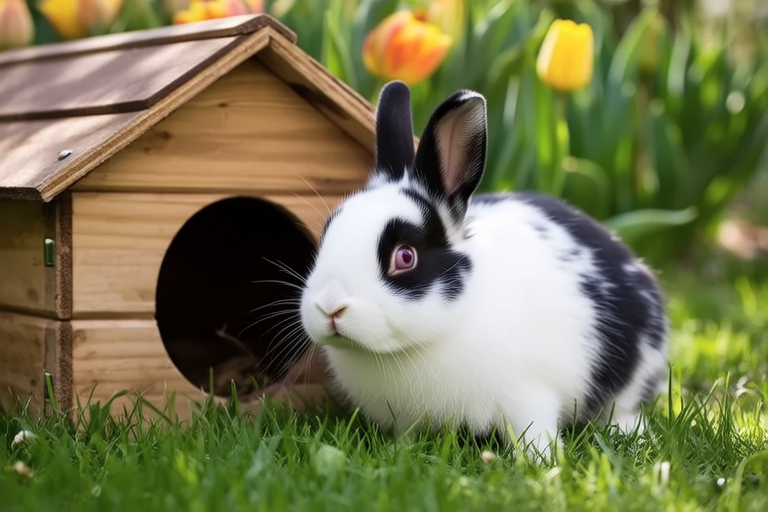
From Holland with Love: Caring for Your Dutch Dwarf Rabbit
Welcome to the delightful world of Dutch Dwarf Rabbits! These charming creatures, originating from the Netherlands, have captivated the hearts of many animal lovers with their unique blend of elegance and playfulness. Known for their distinct white blaze and compact size, Dutch Dwarfs are not only adorable but also highly sociable and intelligent. This article aims to guide you through the essential aspects of caring for your Dutch Dwarf Rabbit, ensuring both you and your furry friend enjoy a fulfilling companionship.
The Origins and Unique Characteristics of Dutch Dwarf Rabbits
Dutch Dwarf Rabbits were first developed in the Netherlands during the early 20th century. They are a result of crossbreeding several smaller rabbit breeds, including the Netherland Dwarf and the Dutch Rabbit. The breed’s primary characteristic is its striking coloration, featuring a white blaze that extends down the nose and over the eyes. This distinctive feature makes them easily recognizable among other rabbit breeds.
Despite their small stature, Dutch Dwarfs are surprisingly robust and energetic. Their average weight ranges between 2.5 to 3 pounds, making them ideal for those who live in apartments or homes with limited space. Their intelligence and curiosity make them excellent companions for families and individuals alike.
Dietary Needs
Proper nutrition is crucial for the health and longevity of your Dutch Dwarf Rabbit. A balanced diet should primarily consist of high-quality hay, such as timothy or orchard grass hay, which aids in digestion and dental health. Fresh vegetables, particularly leafy greens like romaine lettuce, spinach, and parsley, should be offered daily in moderation.
Commercial rabbit pellets can be provided in limited quantities to supplement their diet. It’s important to choose pellets specifically formulated for dwarf breeds, as they are lower in calories and higher in fiber compared to standard rabbit pellets. Avoid feeding your rabbit foods high in sugar or fat, such as fruits, seeds, or nuts, as these can lead to obesity and digestive issues.
Always provide fresh water at all times. A water bottle attached to the cage is preferable to a dish, as it keeps the water clean and prevents spills.
Housing Requirements
Adequate housing is vital for the well-being of your Dutch Dwarf Rabbit. An indoor hutch or cage with ample space for movement is recommended. The cage should be at least 24 inches wide, 24 inches deep, and 18 inches high to allow for comfortable stretching and hopping.
The flooring should be solid, as wire-bottom cages can cause foot injuries. Provide soft bedding, such as straw or shredded paper, to ensure comfort. The cage should be placed in a quiet area away from direct sunlight and drafts. Regular cleaning of the cage is necessary to maintain hygiene and prevent odor buildup.
In addition to their primary living space, Dutch Dwarfs benefit from time spent outside of their cage. A safe, enclosed area within your home or yard allows them to explore and exercise. Always supervise your rabbit when they are out of their cage to ensure their safety.
Grooming Needs
Regular grooming helps keep your Dutch Dwarf Rabbit clean and healthy. Brushing their coat once or twice a week removes loose fur and prevents matting. Use a soft-bristled brush to gently stroke against the direction of their fur.
Bathing is generally unnecessary unless your rabbit gets particularly dirty. If bathing is required, use a mild, pet-safe shampoo and ensure thorough rinsing to remove all soap residue. Dry your rabbit completely with towels or a hairdryer set on low heat.
Trimming nails every few weeks is important to prevent overgrowth and discomfort. Consult a veterinarian or professional groomer if you’re unsure about how to perform this task safely.
Exercise Essentials
Physical activity is crucial for maintaining your Dutch Dwarf Rabbit’s health and mental stimulation. In addition to providing a spacious cage, ensure your rabbit has regular opportunities to run and play. A dedicated play area within your home or yard, equipped with tunnels, toys, and obstacles, encourages exploration and exercise.
Interactive toys, such as chew sticks, balls, and puzzle feeders, engage your rabbit’s mind and provide entertainment. Rotate toys periodically to keep your rabbit interested and stimulated.
Supervised outdoor playtime is beneficial for your rabbit’s physical and mental well-being. However, ensure the area is secure and free from potential hazards, such as toxic plants or predators.
Common Health Issues
Like any pet, Dutch Dwarf Rabbits are susceptible to certain health issues. Regular veterinary check-ups are essential for early detection and treatment of any problems.
One of the most common health concerns is dental disease. Overgrown teeth can cause pain and difficulty eating. Providing plenty of hay and chew toys helps wear down teeth naturally. If signs of dental issues arise, such as drooling, loss of appetite, or weight loss, consult your veterinarian immediately.
Another prevalent issue is gastrointestinal stasis, where the digestive system slows down or stops functioning properly. This condition can be life-threatening if not addressed promptly. Symptoms include reduced appetite, lethargy, and infrequent defecation. Encourage your rabbit to eat by offering fresh greens and providing access to exercise. If symptoms persist, seek veterinary care.
Respiratory infections are also common, especially in poorly ventilated environments. Signs include sneezing, nasal discharge, and labored breathing. Ensuring good air circulation and cleanliness in your rabbit’s living space can help prevent these infections.
Tips on Bonding and Training
Bonding with your Dutch Dwarf Rabbit builds trust and strengthens your relationship. Spend quality time with your rabbit daily, allowing them to become accustomed to your presence and handling. Start by sitting quietly near their cage, gradually introducing gentle petting and interaction.
Training your rabbit can enhance their behavior and responsiveness. Positive reinforcement techniques, such as offering treats and praise for desired actions, are effective. Teach basic commands like coming when called or using a litter box. Consistency and patience are key to successful training.
Handling your rabbit correctly is important for their safety and comfort. Support their body fully, with one hand under their chest and the other supporting their hindquarters. Avoid lifting them by their ears or legs, as this can cause injury.
Establishing a routine for feeding, playtime, and handling helps your rabbit feel secure and provides structure to your interactions. This routine fosters predictability and trust, creating a positive bond between you and your Dutch Dwarf Rabbit.
Owning a Dutch Dwarf Rabbit is a rewarding experience filled with joy and companionship. By understanding and meeting their unique needs, you can ensure a long and happy life for your furry friend. Remember, responsible ownership involves commitment and care, but the love and affection your Dutch Dwarf Rabbit offers in return make it all worthwhile.
