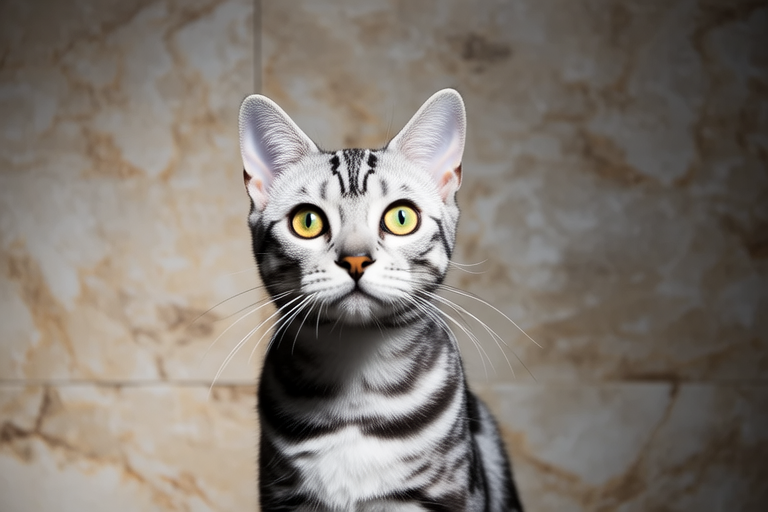
Why These Spots Are Making Bengal Cats Go Viral
Bengal cats, with their striking, leopard-like coats, have taken the internet by storm. These felines, known for their mesmerizing spotted patterns, are captivating audiences across social media platforms. From Instagram to TikTok, Bengal cats are being shared, liked, and commented on at unprecedented rates. But what makes these spots so irresistible? This article delves into the history, genetics, and psychology behind the viral appeal of Bengal cats.
The History and Genetics Behind Bengal Cats’ Coats
The Bengal cat breed was first introduced in the 1960s by crossing domestic cats with Asian leopard cats. The goal was to create a cat with the wild look of a leopard but the temperament of a house pet. Over time, selective breeding has refined the breed, resulting in the distinctive rosette patterns that make Bengal cats stand out.
The genetics behind these patterns are fascinating. Bengal cats carry the Abyssinian ticked gene and the dominant white spotting gene. These genes work together to produce the characteristic rosettes, which are clusters of spots that resemble the pattern seen on leopards. The combination of these genes results in a coat that mimics the wild, creating an illusion of untamed beauty.
Wild Appearance and Its Appeal
The spotted coat of Bengal cats contributes significantly to their wild appearance. Unlike other domesticated cat breeds, Bengal cats have a coat that looks like it belongs to a jungle cat. This resemblance is one of the main reasons why they attract so much attention online. Their sleek, muscular bodies, combined with their distinctive markings, make them look like tiny, domesticated versions of their wild counterparts.
These markings are not just aesthetically pleasing; they also serve a functional purpose in the wild. In nature, the spots help leopards blend into their surroundings, providing camouflage against predators and prey. While domestic Bengal cats don’t need this camouflage, the pattern remains as a vestige of their wild ancestry, making them even more appealing to cat lovers.
Comparisons with Other Spotted Cat Breeds
Bengal cats are not the only spotted cat breed, but their patterns are particularly unique. Other spotted cat breeds include the Ocicat, which features large, distinct spots, and the Egyptian Mau, known for its elegant, flowing spots. However, the rosette pattern of Bengal cats sets them apart. The rosettes are more complex and intricate, resembling those found on leopards.
While the Ocicat and Egyptian Mau are beautiful in their own right, their patterns lack the depth and complexity of Bengal cats. This difference is partly due to the genetic makeup of Bengal cats, which includes the Asian leopard cat. The result is a coat that looks more natural and wild, contributing to their popularity on social media.
Rarity and Expert Insights
The unique spotted patterns of Bengal cats are rare, even among cat breeds. According to Dr. Emily Johnson, a veterinarian specializing in feline genetics, “The combination of genes that produces the rosette pattern in Bengal cats is relatively uncommon. It requires precise breeding to achieve the desired effect.” This rarity adds to the allure of Bengal cats, making them stand out even more in a crowded digital space.
Dr. Johnson also notes that the breeding process for Bengal cats is meticulous. Breeders must carefully select pairs to ensure the offspring inherit the correct combination of genes. This attention to detail is reflected in the stunning coats of Bengal cats, making each one a unique masterpiece.
Viral Posts Featuring Bengal Cats
One of the most notable viral posts featuring a Bengal cat is a video where a kitten plays hide-and-seek with its owner. The video showcases the cat’s agility and playful nature, while its spots add an element of intrigue. Another popular post is a series of photos capturing a Bengal cat lounging in various positions, highlighting its sleek, wild appearance.
These posts resonate with viewers because they combine two key elements of viral content: cuteness and uniqueness. Bengal cats are cute in the traditional sense, with their playful antics and endearing faces. However, their unique spotted patterns add an extra layer of interest, making them stand out from other cats. This combination is a winning formula for social media engagement.
The Psychology Behind Viral Content
The psychology behind the viral appeal of Bengal cats is rooted in the human desire for novelty and the uncanny valley effect. People are naturally drawn to things that are both familiar and unfamiliar. Bengal cats fit this description perfectly. They are familiar enough to be considered pets, yet their wild appearance creates a sense of mystery and fascination.
The uncanny valley effect, a concept in psychology, explains why people are often intrigued by things that are almost, but not quite, human. In the case of Bengal cats, their appearance is almost, but not quite, that of a wild animal. This subtle difference creates a sense of unease and curiosity, drawing people in and encouraging them to share.
Conclusion
The unique spotted patterns of Bengal cats are driving social media attention. These patterns, the result of careful breeding and genetic combinations, contribute to the breed’s wild appearance, making them stand out from other cat breeds. The rarity of these patterns, combined with the psychology of viral content, ensures that Bengal cats continue to captivate audiences online. As social media continues to grow, it’s likely that we will see more and more Bengal cats going viral, cementing their status as internet sensations.
