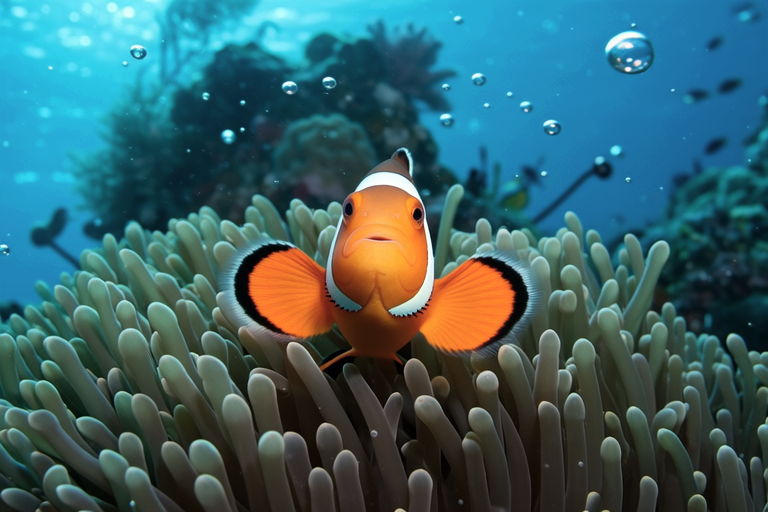
How Clownfish Became the Ultimate Underwater Stars and Why They Deserve It
Clownfish, with their vibrant orange bodies adorned with white stripes, have captivated the hearts of many since their debut in the animated film Finding Nemo. These small, striking fish are not only visually appealing but also play a crucial role in the marine ecosystem. This article delves into the reasons why clownfish have become such iconic figures in popular culture and why they deserve their star status.
The Iconic Role of Clownfish in Popular Culture
The clownfish’s journey to stardom began with its portrayal in Disney-Pixar’s Finding Nemo, where the character Marlin, voiced by Albert Brooks, embarks on a quest to find his son Nemo, who was captured by scuba divers. The film introduced millions of viewers to the world of clownfish, highlighting their colorful appearance and intriguing lifestyle. Since then, clownfish have appeared in various media, further cementing their place in popular culture. Their distinctive looks make them easily recognizable and beloved by audiences.
The Unique Symbiotic Relationship with Sea Anemones
One of the most fascinating aspects of clownfish biology is their symbiotic relationship with sea anemones. Clownfish live among the tentacles of sea anemones, which can be highly toxic to other marine life. However, clownfish secrete a mucus that protects them from the anemone’s sting. In return, clownfish provide protection against predators and feed the anemone by bringing it scraps of food. This mutually beneficial relationship underscores the complexity of marine ecosystems and the importance of cooperation between species.
Behavior and Habitat Preferences
Clownfish are known for their bold behavior and active nature, often seen darting around their anemone homes. They are territorial and will defend their space against intruders, including other clownfish. Their preferred habitats are coral reefs, where the presence of sea anemones is common. Coral reefs provide a rich environment filled with diverse marine life, making them ideal for clownfish to thrive. Despite their small size, clownfish play a significant role in maintaining the balance of their ecosystem.
Challenges in the Wild
Despite their popularity, clownfish face numerous challenges in the wild. One of the most pressing issues is habitat destruction due to climate change and human activities. Coral reefs, the primary habitat of clownfish, are under threat from rising ocean temperatures, pollution, and overfishing. These factors not only affect clownfish directly but also disrupt the entire ecosystem, making it harder for them to survive. Conservation efforts are underway to protect clownfish and their habitats, aiming to preserve these underwater stars for future generations.
Recent Scientific Discoveries and Conservation Efforts
Recent studies have shed light on the complexities of clownfish biology and behavior. For instance, researchers have discovered that clownfish have a remarkable ability to adapt to changes in their environment. This adaptability is crucial as they face the challenges posed by global warming and other environmental stressors. Additionally, ongoing conservation efforts focus on creating marine protected areas and promoting sustainable fishing practices. These initiatives aim to ensure the survival of clownfish and the health of their ecosystems.
The Significance of Clownfish in Marine Ecosystems
Clownfish play a vital role in maintaining the balance of their ecosystems. They serve as prey for larger marine animals and help control the population of smaller organisms. Their interactions with sea anemones contribute to the overall health of coral reefs, which are essential for countless marine species. By protecting clownfish, we indirectly support the well-being of the entire marine ecosystem.
Why Clownfish Have Captured the Hearts of People Worldwide
The appeal of clownfish lies in their vibrant appearance, unique behaviors, and the emotional connection they create with audiences through films like Finding Nemo. Their resilience in the face of adversity and their crucial role in marine ecosystems make them true stars. As people learn more about these fascinating creatures, they become increasingly aware of the importance of preserving marine environments. Clownfish have not only become symbols of resilience and cooperation but also ambassadors for marine conservation.
In conclusion, clownfish have rightfully earned their status as ultimate underwater stars. Their vibrant appearance, unique relationship with sea anemones, and significant role in marine ecosystems make them stand out. As we continue to explore and understand these fascinating creatures, it becomes clear that their conservation is crucial for the health of our oceans. Let us celebrate the clownfish and work together to protect their habitats and ensure their continued existence.
