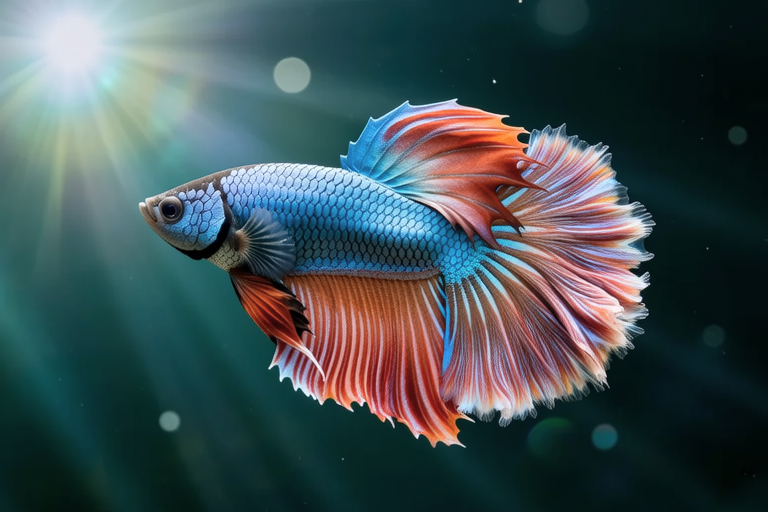
From Tiny Fry to Vibrant Adult: The Journey of a Betta Fish
Betta fish, also known as Siamese fighting fish, have captivated aquarium enthusiasts with their vibrant colors and flowing fins. Understanding the journey from tiny fry to vibrant adult provides insight into their unique lifecycle and the care required at each stage. This comprehensive guide covers the breeding process, early life stages, juvenile development, and the transition to adulthood, offering valuable information for both beginners and experienced aquarists.
The Breeding Process
The breeding process begins with selecting a male and female betta fish that are ready to spawn. Males typically display more vivid colors and longer fins, while females have shorter fins and may appear less colorful. It’s essential to ensure both fish are in optimal health before attempting to breed them.
During spawning, the male constructs a bubble nest, a cluster of bubbles held together by mucus, usually near the water’s surface. The female releases her eggs, which the male then fertilizes. After fertilization, he carefully collects the eggs and places them in the bubble nest. The number of eggs can vary, but it’s not uncommon for a female to produce around 30 to 40 eggs per spawning.
Optimal breeding conditions include maintaining a stable temperature between 78°F and 80°F (25°C to 27°C) and ensuring the water quality is pristine. A pH level of 6.5 to 7.5 is ideal, and the tank should be well-aerated to prevent suffocation of the eggs. After spawning, the male continues to tend to the eggs, keeping them safe from potential threats and providing oxygen.
Early Stages: Fry
Once the eggs hatch, the newly born fry are incredibly small and transparent, resembling tiny grains of rice. They remain in the bubble nest for several days, relying on their yolk sacs for nutrition. During this period, the male continues to guard them diligently.
After about three to four days, the fry begin to swim freely and need to be fed. At this stage, they require microscopic food such as infusoria or commercial fry food. As they grow, they can transition to larger food sources like baby brine shrimp or finely ground flakes. Regular feedings every two to three hours are crucial for their growth and development.
Care during the fry stage is critical. The tank should be clean and free of any large fish that might prey on them. A sponge filter is recommended to provide gentle filtration without harming the delicate fry. Additionally, maintaining stable water parameters and regular water changes help prevent diseases.
Juvenile Stage: Growth and Behavior
As the fry grow into juveniles, they develop more defined shapes and colors. Their fins start to elongate, and their scales become more pronounced. Juveniles are generally more active and curious, exploring their environment and interacting with each other.
Growth patterns vary among individuals, but most betta fish reach their full size by the age of six months. During this phase, they require a balanced diet rich in protein to support their rapid growth. A combination of high-quality flake food, pellets, and occasional live or frozen foods like bloodworms and daphnia is ideal.
Behavioral changes are noticeable as well. Juvenile bettas become more territorial and may exhibit aggressive behavior towards other fish, especially males. Providing ample hiding spots and separating them if necessary helps reduce stress and potential injuries. Regular observations and adjustments to the environment are key to ensuring their well-being.
Transition to Adulthood: Vibrant Colors and Full Fins
The transition into adulthood brings significant changes in appearance. Male bettas, in particular, develop their characteristic vibrant colors and elaborate fins. This transformation is influenced by genetics, diet, and environmental factors. A balanced diet rich in vitamins and minerals supports healthy fin growth and coloration.
Maintaining a healthy environment is crucial during this stage. A spacious tank with appropriate decorations and plants provides ample space for swimming and hiding. Regular water changes and proper filtration systems help keep the water clean and free from harmful substances. Temperature control is vital, as bettas thrive in warm waters, ideally between 78°F and 80°F (25°C to 27°C).
Common challenges during the adult stage include fin rot, caused by poor water quality or bacterial infections, and overfeeding, leading to obesity. To address these issues, ensure regular water maintenance and avoid overfeeding. Introducing beneficial bacteria through products designed for aquariums can also enhance water quality.
Tips for Maintaining a Healthy Environment
Throughout each stage, creating and maintaining a healthy environment is paramount. Here are some tips:
- Water Quality: Regular water changes and proper filtration are essential. Test the water regularly for ammonia, nitrite, and nitrate levels to ensure they remain within safe ranges.
- Diet: Provide a varied diet that meets the nutritional needs of bettas at different stages. Avoid overfeeding to prevent waste buildup and potential health issues.
- Temperature: Maintain a consistent temperature, avoiding sudden changes that can stress the fish.
- Space: Ensure the tank is appropriately sized for the number of fish. Overcrowding can lead to stress and disease.
Conclusion
The journey from tiny fry to vibrant adult is a fascinating process filled with growth, development, and behavioral changes. Understanding each stage and providing appropriate care ensures the well-being and longevity of your betta fish. Whether you’re a beginner or an experienced aquarist, nurturing these captivating creatures offers endless joy and learning opportunities. By following the guidelines provided, you can create a thriving environment that supports the full lifecycle of your betta fish.
