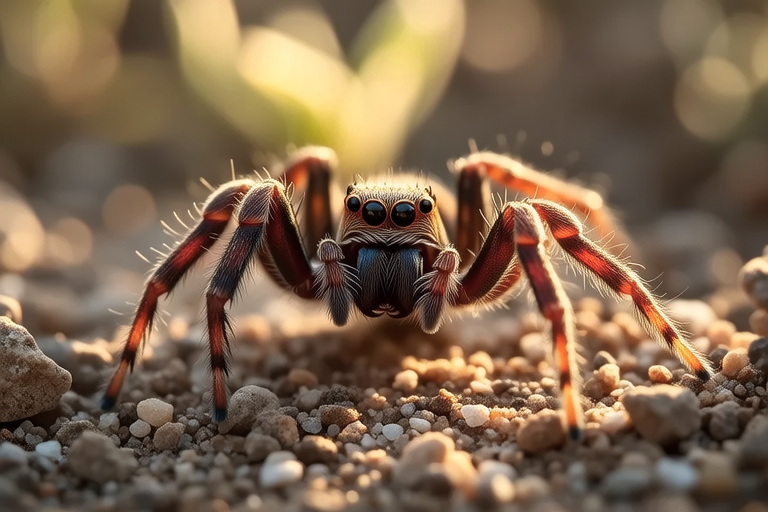
Why Chilean Rose Tarantulas Are the Perfect Pet for Beginners
Welcome to the fascinating world of arachnids! If you’re thinking about adopting a unique and low-maintenance pet, look no further than the Chilean Rose Tarantula. These charming creatures have gained immense popularity among pet enthusiasts for their gentle nature, easy care requirements, and captivating appearance. In this article, we’ll explore why Chilean Rose Tarantulas make excellent pets for beginners, delving into their care, temperament, and the potential health benefits they bring to your home.
An Introduction to Chilean Rose Tarantulas
The Chilean Rose Tarantula (Grammostola rosea) hails from the deserts and scrublands of South America, particularly in regions of Chile, Argentina, and Bolivia. They are one of the most popular species of tarantulas kept as pets due to their docile demeanor and striking pinkish-brown coloration. Their manageable size, typically reaching around 4-6 inches in length, makes them ideal for first-time arachnid owners.
These spiders have a reputation for being relatively calm and are less likely to bite than many other spider species. This, combined with their hardiness and ease of care, has contributed to their widespread appeal in the pet trade.
Easy Care Requirements
Housing
A properly set-up enclosure is crucial for the well-being of your Chilean Rose Tarantula. A glass or plastic tank with a secure lid is recommended, ensuring that it is large enough to accommodate your spider comfortably. A 10-gallon tank is generally sufficient for an adult tarantula. The enclosure should be lined with a substrate like coconut fiber, peat moss, or vermiculite, which helps maintain the necessary humidity levels and provides a comfortable burrowing environment.
Temperature and Humidity
Chilean Rose Tarantulas thrive in temperatures ranging between 75°F and 85°F (24°C to 29°C). You can achieve this by placing a heat mat under one side of the enclosure, creating a gradient so your spider can regulate its body temperature. Maintain a humidity level of approximately 60% to 70%, which can be achieved by misting the substrate occasionally or providing a water dish.
Diet
Your tarantula’s diet consists primarily of live insects such as crickets, mealworms, and wax moths. Feed your pet every 7 to 10 days, offering prey items that are roughly one-third the size of your tarantula’s body. Ensure that the insects are gut-loaded (fed a nutritious diet) before feeding them to your spider.
Gentle Temperament and Minimal Handling Needs
One of the standout features of the Chilean Rose Tarantula is its calm and docile nature. Unlike some other tarantula species, they rarely display aggressive behavior towards humans. While it’s essential to handle them gently and infrequently, they tend to be more tolerant of human interaction. This makes them an excellent choice for beginners who may be apprehensive about handling more skittish pets.
Handling should be limited to avoid stressing the spider, as they can become defensive if they feel threatened. Always support the spider’s entire body when handling, and never grasp them by their legs.
Low Maintenance Compared to Other Exotic Pets
Compared to many other exotic pets, Chilean Rose Tarantulas require significantly less attention and effort. They don’t need daily walks, grooming, or constant supervision. Their simple dietary and environmental needs make them perfect for individuals with busy lifestyles or those looking for a pet that doesn’t demand extensive time commitments.
Moreover, their longevity—up to 15 years in captivity—means you’ll have a long-term companion that requires minimal upkeep. This longevity also allows you to form a strong bond with your pet over the years.
Potential Health Benefits of Owning a Pet Tarantula
Owning a pet, regardless of species, can have numerous health benefits. Caring for a Chilean Rose Tarantula can help reduce stress and anxiety, promote mindfulness, and encourage responsibility. Watching these fascinating creatures go about their daily activities can be incredibly soothing and meditative.
Additionally, the process of setting up and maintaining their habitat can be a rewarding and educational experience, teaching you about ecosystems, biology, and the importance of proper animal care.
Considerations for Beginners
Initial Setup Costs
While the initial investment for a Chilean Rose Tarantula may seem modest, it’s important to factor in the cost of the enclosure, substrate, heating equipment, and food. Expect to spend anywhere from $50 to $100 on these essentials, depending on the quality of materials you choose. Remember that these costs are a one-time expense and will provide years of enjoyment.
Space Requirements
Chilean Rose Tarantulas are relatively small and require minimal space compared to larger pets. A 10-gallon tank is usually sufficient for an adult spider, making them an ideal choice for apartment dwellers or those with limited living spaces. However, ensure that the enclosure is placed in a quiet area away from direct sunlight and drafts.
Encouragement for Responsible Ownership and Care Tips
Responsible ownership is key to ensuring the well-being of your Chilean Rose Tarantula. Here are some additional tips to help you provide the best possible care:
- Regularly clean the enclosure: Remove waste and replace substrate as needed to maintain hygiene.
- Monitor temperature and humidity: Use thermometers and hygrometers to ensure the environment remains optimal.
- Provide hiding spots: Include cork bark or other objects for your spider to hide under, mimicking its natural habitat.
- Handle with care: Always support the spider’s body and handle only when necessary.
- Research local regulations: Some areas may have restrictions on keeping certain exotic pets, so check local laws before purchasing.
Owning a Chilean Rose Tarantula can be a highly rewarding experience. With their gentle temperament, easy care requirements, and potential health benefits, they make an excellent choice for beginners interested in the world of exotic pets. By providing a safe and comfortable environment, you’ll ensure your spider thrives and brings joy to your home for many years to come.
Remember, every pet deserves respect and proper care. Take the time to learn about your tarantula’s specific needs and enjoy the unique companionship they offer. Happy tarantula keeping!
