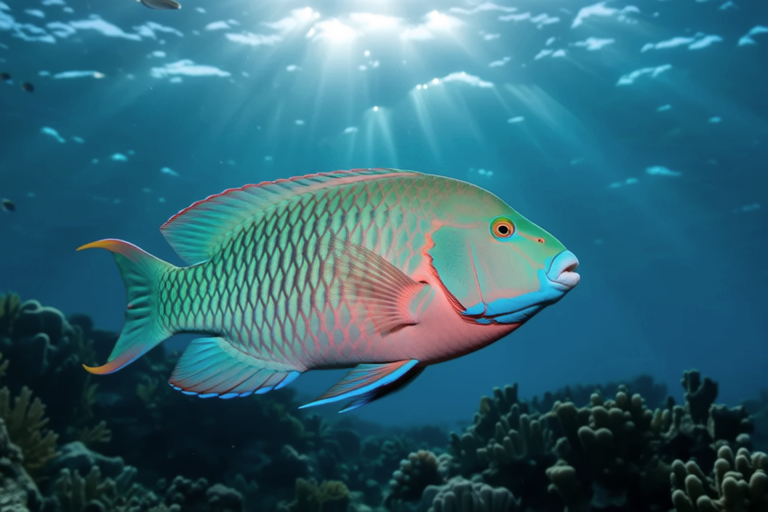
Protecting Parrot Fish: Conservation Efforts and How You Can Help
Introduction:
Parrotfish, known for their vibrant colors and unique beak-like mouths, play a crucial role in coral reef ecosystems. These fish, belonging to the family Scaridae, are found across tropical and subtropical waters around the world. Their ecological significance cannot be overstated; they are essential for maintaining healthy coral reefs, which are vital for marine biodiversity and human livelihoods.
What Are Parrot Fish?
Parrotfish are a diverse group of about 90 species, ranging from small, colorful individuals to larger, more robust ones. They are easily recognizable due to their distinct beaks used for scraping algae off coral surfaces. The diet of parrotfish primarily consists of algae, which they consume using their powerful jaws. This feeding behavior is vital for the health of coral reefs, as it helps control algal growth, promoting the growth of corals.
Ecological Significance of Parrot Fish
Parrotfish contribute significantly to the maintenance of coral reefs by grazing on algae that could otherwise smother and kill corals. By keeping algae in check, they allow coral polyps to thrive and grow. Additionally, their excrement, rich in nutrients, fertilizes the surrounding reef ecosystem, supporting the growth of other marine organisms. Furthermore, parrotfish are a vital food source for many predators, thus playing a critical role in the food web.
Current Threats to Parrot Fish
Despite their importance, parrotfish populations are under threat from multiple factors. Overfishing remains one of the most significant dangers, as they are highly valued in many coastal communities for their meat. Habitat destruction, particularly from coastal development and pollution, further exacerbates the problem. Climate change poses another major challenge, as rising sea temperatures and ocean acidification can harm coral reefs, reducing the availability of suitable habitats for parrotfish.
Conservation Efforts at Local and Global Levels
Recognizing the importance of parrotfish, numerous conservation efforts have been initiated both locally and globally. At the local level, community-based marine protected areas (MPAs) have been established to safeguard critical habitats and promote sustainable fishing practices. For example, the Phoenix Islands Protected Area in Kiribati is one of the largest MPAs in the world, covering nearly 410,000 square kilometers of ocean. Such areas provide safe havens where parrotfish can reproduce and thrive without the pressures of overfishing.
At the global level, international organizations like the Convention on Biological Diversity (CBD) and the United Nations Environment Programme (UNEP) work towards protecting marine biodiversity. Initiatives such as the Global Coral Reef Monitoring Network (GCRMN) focus on monitoring coral reef health and developing strategies to address threats. Collaborative projects between governments, NGOs, and local communities are also essential for implementing effective conservation measures.
Actionable Ways to Contribute to Parrot Fish Conservation
Individuals can make a difference by adopting sustainable seafood choices. Opting for seafood certified by organizations like the Marine Stewardship Council (MSC) ensures that the products come from well-managed fisheries that minimize environmental impact. Supporting marine reserves is another way to contribute, as these areas help protect parrotfish and their habitats. Participating in citizen science projects, such as those organized by Reef Check or Project AWARE, allows individuals to gather valuable data on parrotfish populations and reef health.
The Importance of Continued Awareness and Action
The survival of parrotfish is crucial for the health of coral reefs and the countless species that depend on them. Continued awareness and action are necessary to counteract the threats they face. By supporting conservation efforts and making informed choices, we can ensure the survival of these vital species and the ecosystems they sustain. The future of our oceans depends on our commitment to protecting parrotfish and the invaluable services they provide.
Conclusion:
Parrotfish are not just beautiful creatures but also essential for maintaining healthy coral reefs. Understanding their ecological significance and the challenges they face is the first step towards effective conservation. By supporting sustainable practices, marine reserves, and citizen science projects, we can all contribute to the protection of parrotfish and the preservation of marine biodiversity. Let us act now to secure a future where these vibrant fish continue to thrive in our oceans.
