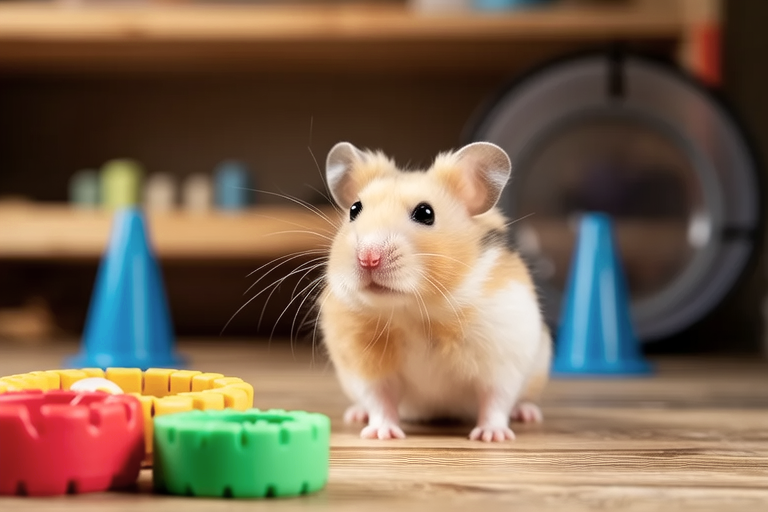
Training Tips and Tricks for Your Smart Golden Hamster
Welcome to the fascinating world of golden hamsters! These small, energetic creatures are not just delightful pets but also incredibly intelligent. Training your golden hamster can be both fun and rewarding. This article will guide you through understanding their behavior, basic training techniques, the importance of positive reinforcement, creating a stimulating environment, addressing common challenges, and maintaining a strong bond through consistent interaction.
Understanding Golden Hamsters’ Behavior
Golden hamsters are nocturnal, meaning they are most active during the night. They are solitary animals, preferring to live alone, and are known for their territorial nature. Understanding these behaviors is crucial for successful training. Hamsters have excellent senses of smell and hearing, which help them navigate their environment. They are curious by nature and enjoy exploring new objects and spaces.
Hamsters are also highly sensitive to changes in their surroundings. Loud noises or sudden movements can startle them, so it’s important to approach them calmly and gently. They communicate through various sounds, such as squeaking or chirping, and sometimes even grinding their teeth, which can indicate contentment or stress.
Basic Training Techniques
Training your golden hamster starts with simple commands like coming when called or sitting on your hand. Begin by familiarizing your hamster with your voice. Spend time talking softly to your pet each day. Over time, your hamster will associate your voice with positive experiences.
To train your hamster to come when called, choose a word or sound that you will use consistently. Every time your hamster comes to you, reward them with a treat. Repeat this process several times daily. Patience is key here; hamsters learn at their own pace.
Sitting on your hand can be another fun trick. Place your hand in front of your hamster while offering a treat. Once your hamster steps onto your hand, gently close your fingers around them. Praise them immediately and offer another treat. Practice this several times a day, gradually reducing the amount of food offered until your hamster sits on your hand without expecting a treat.
Using Treats as Positive Reinforcement
Positive reinforcement is the cornerstone of effective training. It involves rewarding desired behaviors with something the hamster enjoys, usually treats. Hamsters love seeds, fruits, and vegetables, but it’s essential to offer them in moderation to avoid obesity. A few pieces of sunflower seeds or a tiny piece of apple work well as rewards.
When using treats as positive reinforcement, ensure consistency. Always give a treat immediately after the desired behavior occurs. This helps your hamster make the connection between the action and the reward. Over time, you’ll notice that your hamster responds more quickly and eagerly to commands.
Be mindful of the treats you use. Too many treats can lead to health issues. Incorporate training sessions into your daily routine, ensuring that they remain enjoyable and not stressful for your hamster.
Creating a Stimulating Environment
A stimulating environment is crucial for a hamster’s mental and physical well-being. Provide your hamster with plenty of toys, tunnels, and exercise wheels. Rotate toys regularly to keep things interesting. You can also hide treats in different areas of the cage to encourage exploration and problem-solving.
Environmental enrichment can also include sensory stimulation. Introduce different textures, scents, and sounds. For example, place a soft blanket in one corner of the cage and a rough stone in another. Play soft music or leave the radio on at a low volume to provide auditory stimulation.
Ensure that the cage is spacious enough to allow your hamster to move freely and explore. The more space they have, the more they can engage in natural behaviors, which can reduce stress and improve overall health.
Common Challenges in Training
One common challenge in training hamsters is their short attention span. They may lose interest in training sessions quickly, especially if they are not rewarded frequently enough. To overcome this, keep training sessions short and fun, focusing on one command at a time.
Another challenge is the hamster’s tendency to be easily distracted by their environment. If your hamster seems disinterested or distracted during a training session, try moving to a quieter area or using a treat to regain their focus. Sometimes, simply changing the location of the training session can make a difference.
Some hamsters may be shy or hesitant to interact with their owners. In such cases, patience is vital. Spend time near the cage, talking softly, and offering treats from a distance. Gradually increase the proximity until your hamster feels comfortable approaching you.
Maintaining a Bond Through Consistent Interaction
Maintaining a strong bond with your golden hamster requires consistent interaction. Spend quality time with your pet every day. Handle your hamster gently and frequently to build trust. Let them explore your hands and get used to your scent.
Playtime outside the cage is another great way to strengthen the bond. Supervise your hamster closely during playtime to ensure their safety. Use a safe, enclosed area free from hazards, such as electrical cords or small openings where your hamster could escape.
Consistency is key in maintaining a bond. Train your hamster regularly and at the same time each day. This routine helps your hamster feel secure and establishes a predictable pattern of interaction. Over time, you’ll notice your hamster becoming more responsive and affectionate.
In conclusion, training your golden hamster can be an enriching experience for both you and your pet. By understanding their behavior, employing effective training techniques, using positive reinforcement, providing a stimulating environment, addressing common challenges, and maintaining a strong bond through consistent interaction, you can create a joyful and fulfilling relationship with your smart little friend. Happy training!
