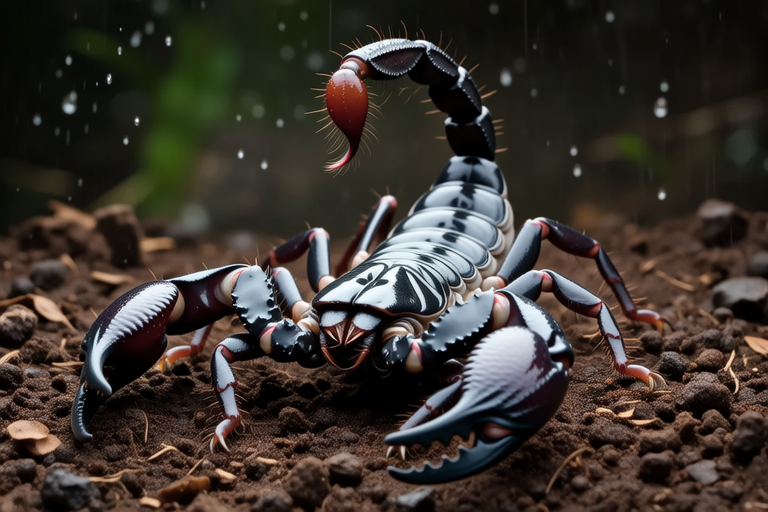
The Fascinating World of Heterometrus Spinifer: Facts, Care Tips, and More!
Heterometrus spinifer, commonly known as the Indian Forest Scorpion, is a captivating species that has intrigued many with its unique characteristics. This article delves into the scientific classification, native habitat, diet, behavior, and reproduction details of this remarkable arachnid. Additionally, we will provide essential care tips for those interested in keeping Heterometrus spinifer as pets, covering housing, temperature, humidity, feeding, and handling. We will also discuss common health issues and how to prevent them, concluding with some interesting facts that highlight the uniqueness of this species.
Scientific Classification
Heterometrus spinifer belongs to the family Scorpionidae within the order Scorpiones. It is part of the genus Heterometrus, which comprises over 40 species distributed across Asia. The specific epithet ‘spinifer’ refers to the spines present on its pedipalps, distinguishing it from other species within the same genus.
Native Habitat
Native to the tropical regions of India, Sri Lanka, and parts of Southeast Asia, Heterometrus spinifer thrives in warm, humid environments. These scorpions are typically found in dense forests, rocky outcrops, and areas near water bodies such as rivers and streams. They prefer burrowing under logs, rocks, or in crevices where they can remain hidden during the day and emerge at night to hunt.
Diet
As carnivorous predators, Heterometrus spinifer feeds primarily on insects, spiders, and other small invertebrates. Their diet consists mainly of crickets, cockroaches, mealworms, and waxworms. In captivity, these scorpions can be fed a variety of commercially available feeder insects, ensuring a balanced diet rich in nutrients necessary for their growth and overall health.
Behavior
These scorpions are nocturnal creatures, meaning they are most active during the night. They spend their days hiding in dark, sheltered areas and come out at dusk to hunt for prey. Heterometrus spinifer is generally docile and prefers to avoid confrontation, but like all scorpions, they possess venomous stingers located at the tip of their tails. However, their venom is considered mild and is primarily used for subduing prey rather than defending against threats.
Reproduction
The reproductive cycle of Heterometrus spinifer involves a complex courtship ritual followed by mating. During courtship, the male performs a series of intricate movements to attract the female, including waving his pedipalps and walking in a zigzag pattern. Once mating occurs, the female carries the fertilized eggs internally until they hatch. After hatching, the young scorpions, known as scorplings, remain attached to their mother’s back for several days before dispersing to find food and establish their own territories.
Care Tips for Pet Owners
Housing
Creating an appropriate enclosure is crucial for the well-being of your Heterometrus spinifer. A terrarium measuring at least 18 inches long, 12 inches wide, and 12 inches high provides ample space for movement and burrowing. Ensure the enclosure has a secure lid to prevent escapes while allowing for proper ventilation. Line the bottom of the terrarium with a substrate layer of coconut fiber or soil, maintaining a depth of about 4 inches to facilitate digging and burrowing.
Temperature and Humidity
Maintaining optimal environmental conditions is vital for the health of your scorpion. Keep the terrarium’s temperature between 75°F and 85°F (24°C to 29°C) using a heat mat or under-tank heater placed on one side of the enclosure to create a thermal gradient. Use a hygrometer to monitor humidity levels, aiming for 70% to 80%. Mist the enclosure lightly once or twice a week to maintain moisture and encourage burrowing.
Feeding
Feed your Heterometrus spinifer once or twice a week, offering appropriately sized feeder insects. Dust the insects with calcium and vitamin supplements before feeding to ensure your scorpion receives adequate nutrition. Remove any uneaten prey items after a few hours to prevent contamination of the enclosure.
Handling
Although Heterometrus spinifer is generally docile, it is advisable to handle them sparingly to minimize stress. When handling, use thick gloves and a scoop tool to gently lift the scorpion from its enclosure. Avoid grabbing the scorpion directly, as this may provoke defensive behaviors.
Common Health Issues and Prevention
Like any pet, Heterometrus spinifer can face health challenges if not properly cared for. Common issues include dehydration, mite infestations, and improper shedding. To prevent dehydration, ensure the enclosure remains moist and provide a shallow water dish. Regularly clean the enclosure to prevent mite infestations, and inspect your scorpion regularly for signs of distress during molting. If you notice any abnormalities, consult a veterinarian specializing in exotic animals for guidance.
Interesting Facts
Several unique aspects set Heterometrus spinifer apart from other scorpion species:
- Adaptability: These scorpions have evolved to thrive in diverse habitats, from dense rainforests to semi-arid regions, showcasing their adaptability and resilience.
- Burrowing Behavior: Heterometrus spinifer is known for its impressive burrowing abilities, often creating elaborate underground tunnels where they reside.
- Camouflage: Their dark brown to black coloration allows them to blend seamlessly into their surroundings, providing excellent camouflage and protection from predators.
- Social Behavior: Unlike many other scorpion species, Heterometrus spinifer exhibits some level of social behavior, with females often remaining close to their offspring for extended periods.
In conclusion, Heterometrus spinifer is a fascinating species with unique characteristics that make it an intriguing addition to any exotic pet collection. By understanding its needs and providing proper care, you can enjoy the company of these remarkable arachnids while ensuring their well-being. Whether you’re a beginner or an experienced pet owner, the world of Heterometrus spinifer offers endless opportunities for learning and discovery.
