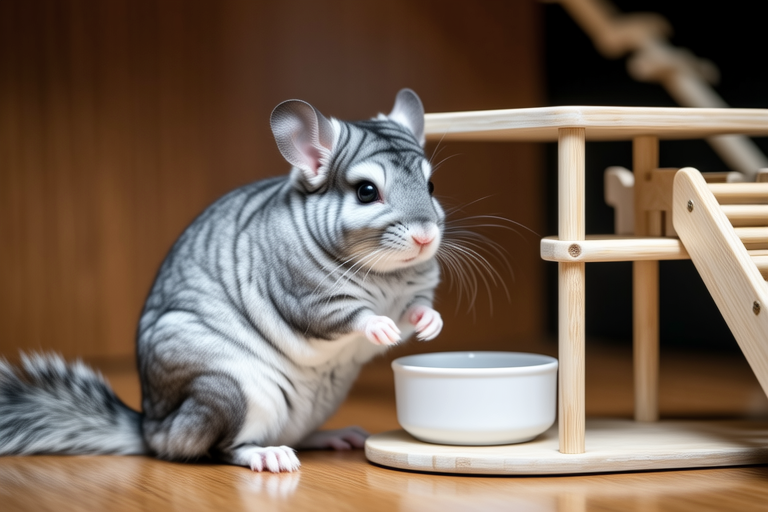
How to Create an Ideal Habitat for Your Chinchilla
Welcome to this comprehensive guide on creating the perfect home for your chinchilla! As a responsible pet owner, you want to ensure that your chinchilla is comfortable, healthy, and happy. This article will cover everything from selecting the right cage size and design to maintaining hygiene and addressing safety concerns. Let’s dive into the details.
Selecting Appropriate Cage Size and Design
The first step in creating an ideal habitat for your chinchilla is choosing the right cage. Chinchillas are active animals that require ample space to move around freely. A minimum cage size of 30 inches wide by 30 inches deep by 36 inches high is recommended for a single chinchilla. However, if you have multiple chinchillas, consider getting a larger cage or multiple cages to avoid overcrowding.
When it comes to cage design, opt for one with multiple levels and ramps. These features allow your chinchilla to explore different areas and engage in natural behaviors like climbing and jumping. Make sure the cage has bars spaced no more than 1 inch apart to prevent escape attempts and injuries.
Ensuring Proper Ventilation
Chinchillas are sensitive to heat and humidity, so it’s crucial to provide them with well-ventilated housing. Good airflow helps regulate temperature and humidity levels, reducing the risk of overheating and respiratory issues. Avoid placing the cage near windows or heaters, as direct sunlight and drafts can cause discomfort.
To enhance ventilation, consider adding mesh panels or wire flooring to the cage. These materials promote air circulation while preventing the buildup of moisture and odors. Additionally, ensure that the cage is placed in a cool, dry area away from direct sunlight and heat sources.
Providing Safe Bedding Options
Choosing the right bedding is essential for your chinchilla’s comfort and health. Avoid using pine or cedar shavings, as they contain aromatic oils that can irritate your chinchilla’s respiratory system. Instead, opt for dust-free paper-based bedding, recycled paper products, or kiln-dried pine shavings. These materials are safer and more comfortable for your chinchilla.
Provide a soft, cozy sleeping area within the cage, such as a hammock or a nest box. Ensure that the bedding is changed regularly to maintain cleanliness and prevent the growth of harmful bacteria. This will also help control odors and keep your chinchilla’s living environment fresh.
Setting Up the Right Temperature and Humidity Levels
Maintaining optimal temperature and humidity levels is vital for your chinchilla’s well-being. Chinchillas thrive in environments with temperatures between 60°F and 70°F (15°C and 21°C) and relative humidity levels between 40% and 60%. Avoid placing the cage in areas prone to extreme temperature fluctuations, such as near windows or doors.
If necessary, use a humidifier or dehumidifier to adjust humidity levels in your home. You can also provide a shallow water bowl filled with clean water for your chinchilla to bathe in. Chinchillas need regular dust baths to keep their fur clean and healthy, but be mindful of over-bathing, which can lead to skin irritation.
Incorporating Necessary Toys and Hiding Spots for Mental Stimulation and Comfort
Chinchillas are intelligent creatures that require mental stimulation to stay happy and healthy. Provide a variety of toys and enrichment activities within their habitat to keep them entertained. Suitable toys include chew sticks, tunnels, and puzzle feeders. Rotate these items periodically to prevent boredom and encourage exploration.
Additionally, offer your chinchilla plenty of hiding spots, such as wooden houses or cardboard boxes. These spaces provide security and comfort, allowing your chinchilla to retreat when feeling overwhelmed or stressed. Make sure that any toys or hiding spots are made from safe, non-toxic materials and do not pose a choking hazard.
Dietary Considerations Within Their Habitat
Proper nutrition is key to your chinchilla’s overall health and well-being. Provide your chinchilla with a balanced diet consisting of high-quality chinchilla pellets, hay, and fresh water. Hay should be available at all times, as it aids digestion and provides necessary fiber. Supplement their diet with occasional treats like fresh fruits and vegetables, but avoid giving them too many sugary snacks.
Place food dishes and water bottles strategically throughout the cage to encourage movement and prevent boredom. Ensure that the water bottle is securely fastened and easy for your chinchilla to access. Check the water level regularly and clean the bottle thoroughly to prevent bacterial growth.
Maintaining Hygiene and Cleaning Schedules
Keeping your chinchilla’s habitat clean is essential for their health and happiness. Establish a regular cleaning schedule to remove waste, replace bedding, and disinfect surfaces. Clean the cage at least once a week, more frequently if necessary. Use mild, pet-safe disinfectants to sanitize the cage and accessories.
Pay special attention to food and water bowls, as they can harbor bacteria and mold. Wash these items daily and replace them if they become damaged or worn. Regular cleaning helps prevent the spread of illness and keeps your chinchilla’s living environment fresh and inviting.
Addressing Any Safety Concerns to Prevent Injuries or Illnesses
Creating a safe habitat for your chinchilla involves addressing potential hazards and preventing accidents. Remove any sharp objects, toxic plants, or small items that could be swallowed or cause injury. Ensure that the cage door is securely latched to prevent escapes, and check for any loose or damaged parts that could pose a danger.
Monitor your chinchilla’s behavior and health closely, and consult a veterinarian if you notice any signs of distress or illness. Early intervention can prevent more serious health issues and ensure that your chinchilla remains happy and healthy. By following these guidelines, you’ll create a nurturing and stimulating environment that promotes your chinchilla’s well-being.
Creating an ideal habitat for your chinchilla requires careful consideration and ongoing maintenance. By selecting the right cage size and design, ensuring proper ventilation, providing safe bedding options, setting up the right temperature and humidity levels, incorporating necessary toys and hiding spots, addressing dietary considerations, maintaining hygiene and cleaning schedules, and addressing any safety concerns, you’ll give your chinchilla the best possible chance at a long, healthy, and happy life.
