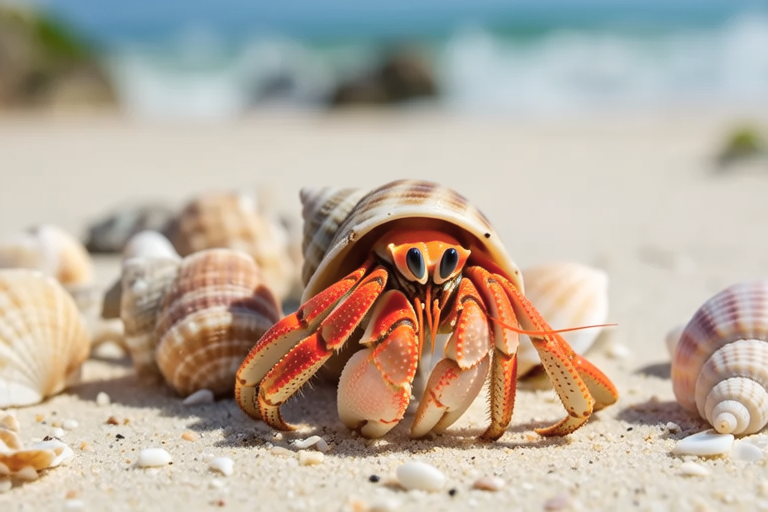
Hermit Crabs: Shell Swapping Rituals and Their Intriguing Behaviors
Hermit crabs are fascinating creatures with unique behaviors that captivate both marine life enthusiasts and pet owners alike. One of the most intriguing aspects of their lifestyle is their shell-swapping ritual. These crustaceans rely on second-hand shells for protection, and their ability to find and adapt to new homes is a testament to their resourcefulness. In this article, we will delve into the environmental factors influencing their choice of shells, the social dynamics involved in these exchanges, and the importance of adequate habitat enrichment for their well-being. We’ll also explore the lifecycle stages where shell changes are most critical and dispel some common myths surrounding hermit crab shell selection.
The Importance of Shells for Hermit Crabs
Hermit crabs have a soft, vulnerable abdomen that requires protection from predators. To safeguard themselves, they seek out empty snail shells, which they can retreat into when threatened. The size, shape, and weight of the shell are crucial factors in ensuring the crab’s safety and mobility. A well-fitted shell allows the crab to move efficiently while providing ample protection.
Environmental Factors Influencing Shell Choice
The environment plays a significant role in determining the type of shells hermit crabs prefer. Factors such as temperature, humidity, and the availability of different shell sizes influence their decisions. For instance, hermit crabs living in tropical regions may opt for lighter shells to cope with higher temperatures, while those in cooler climates might choose heavier, more insulated shells. Additionally, the presence of other hermit crabs in the area can impact shell availability and competition for desirable shells.
Social Dynamics of Shell Swapping
Hermit crabs engage in complex social interactions when it comes to shell swapping. These interactions often involve a series of trials and errors as crabs assess the suitability of various shells. During these exchanges, hermit crabs may form temporary alliances or even compete aggressively for the best shells. It’s not uncommon to observe multiple crabs attempting to simultaneously vacate their current shells in search of better ones. This behavior underscores the importance of providing hermit crabs with a diverse range of shell options to minimize stress and promote healthy social interactions.
The Role of Habitat Enrichment
Adequate habitat enrichment is essential for the well-being of hermit crabs. Providing a variety of shells, as well as other environmental features like sand, water, and climbing structures, can help stimulate natural behaviors and reduce stress. Owners should aim to create a stimulating environment that mimics the crabs’ natural habitats as closely as possible. This includes offering a mix of shell sizes and shapes, as well as incorporating elements that encourage exploration and play.
Critical Lifecycle Stages for Shell Changes
Shell changes are particularly important during certain lifecycle stages. Juvenile hermit crabs, for example, require frequent shell swaps as they grow rapidly. This period is especially critical because young crabs need shells that fit snugly to protect their developing bodies. Adult hermit crabs also benefit from regular shell changes, as worn-out shells can hinder movement and increase vulnerability to predators. Ensuring access to a wide selection of shells at all times is crucial for maintaining the health and happiness of hermit crabs throughout their lives.
Myths Surrounding Hermit Crab Shell Selection
Several misconceptions surround hermit crab shell preferences. One common myth is that hermit crabs always choose the largest available shell, regardless of its suitability. In reality, crabs prioritize comfort and protection over size alone. Another misconception is that hermit crabs randomly select shells without considering their fit. However, studies have shown that crabs carefully evaluate potential shells before making a decision. Understanding these truths can help owners better meet the needs of their pets.
Tips for Hermit Crab Owners
To ensure your hermit crabs have access to a variety of suitable shells, consider the following tips:
- Offer a Range of Sizes: Provide shells that span a range of sizes to accommodate crabs of different ages and stages of growth.
- Incorporate Different Shapes: Include shells with varying shapes and configurations to cater to individual preferences.
- Rotate Shell Options: Periodically introduce new shells to keep the environment fresh and exciting.
- Monitor Shell Condition: Regularly inspect shells for damage or wear and replace them as needed.
- Encourage Natural Behavior: Arrange shells in clusters to facilitate social interactions and promote natural behaviors.
By following these guidelines, you can create a thriving environment that supports your hermit crabs’ physical and emotional well-being.
Conclusion
Hermit crabs’ shell-swapping rituals offer a window into their complex social behaviors and environmental adaptations. Understanding the factors that influence their choices and providing appropriate habitat enrichment can greatly enhance the quality of life for these captivating creatures. Whether you’re a seasoned marine life enthusiast or a curious newcomer to the world of exotic pets, exploring the fascinating world of hermit crabs promises endless intrigue and discovery.
