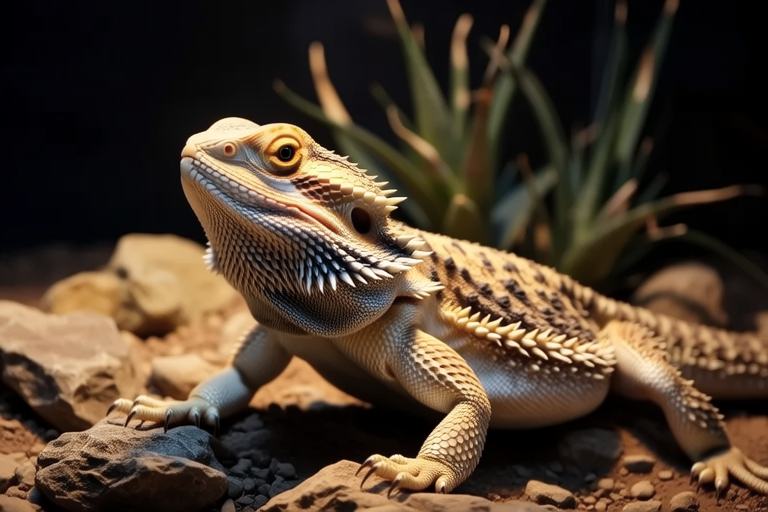
Bearded Dragon Behavior Decoded: Understanding Their Moods and Signals
Bearded dragons have become one of the most popular pet reptiles over the past few decades. These lizards are native to Australia and are known for their unique appearance, docile nature, and relatively easy care requirements. With their distinctive spiky scales and broad, triangular heads, they are often described as “prehistoric” in appearance. Their gentle demeanor makes them ideal for first-time reptile owners, but even experienced handlers can benefit from a deeper understanding of bearded dragon behavior.
Introduction to Bearded Dragons
Bearded dragons are omnivores, feeding on a variety of insects, plants, and vegetables. They require specific environmental conditions to thrive, including appropriate temperature gradients, UVB lighting, and a suitable enclosure size. Proper care includes regular handling to socialize them and ensure they feel secure in their surroundings. This article aims to decode the fascinating world of bearded dragon behavior, helping you understand your scaly friend’s moods and signals.
Common Behaviors and Their Meanings
Head Bobbing
One of the most recognizable behaviors of bearded dragons is head bobbing. This action involves rapid up-and-down movements of the head, often accompanied by a puffed-up beard. Head bobbing serves multiple purposes:
- Display of Dominance: Male bearded dragons frequently perform this behavior to assert their dominance over other males or to attract females during breeding season.
- Warning Signal: If your bearded dragon bobs its head at you or another animal, it may be warning them to stay away.
- Excitement or Interest: Sometimes, head bobbing can also indicate excitement or interest in something, like a new toy or food item.
Arm Waving
Another intriguing behavior is arm waving. When a bearded dragon extends one of its front legs and slowly waves it back and forth, it’s likely trying to communicate something important:
- Submission: Arm waving is often seen as a submissive gesture, especially when directed towards a larger or more dominant individual. It’s a way for a bearded dragon to show that it means no harm and doesn’t want to engage in a confrontation.
- Curiosity: Sometimes, arm waving can simply reflect curiosity about something in its environment.
Puffing Up the Beard
The beard of a bearded dragon, located under its chin, can change in size and color depending on the lizard’s mood:
- Defensive Posture: When threatened, a bearded dragon will puff out its throat area, making it appear larger and more intimidating to potential predators.
- Mating Season: During mating season, both male and female bearded dragons may darken their beards to signal readiness for reproduction.
Changes in Coloration
Bearded dragons can alter their skin coloration based on various factors:
- Temperature Regulation: As the ambient temperature fluctuates, so does the color of a bearded dragon’s skin. Darker colors help absorb heat, while lighter colors reflect sunlight and keep the lizard cooler.
- Emotional State: Stress, fear, or excitement can cause noticeable changes in skin pigmentation. For example, a stressed bearded dragon might turn a darker shade of brown or black.
Body Language and Vocalizations
In addition to physical gestures, bearded dragons use subtle body language and minimal vocalizations to convey messages:
Posture
Observing posture can provide valuable insights into a bearded dragon’s state:
- Relaxed and Content: A relaxed bearded dragon will usually sit still, often in a “basking” position where it props itself up on its front legs with its tail resting on the ground.
- Tense and Anxious: If your bearded dragon appears tense, with its body arched and muscles tight, it may be feeling anxious or threatened.
Vocalizations
While bearded dragons don’t produce complex sounds, they can make a few noises:
- Clicking: Some bearded dragons click their tongues, which might be a form of communication between individuals or a reaction to certain stimuli.
- Hissing: Hissing is usually a sign of distress or discomfort, indicating that your bearded dragon feels threatened or scared.
The Influence of Temperature and Lighting
Environmental factors play a significant role in shaping bearded dragon behavior:
Temperature
Bearded dragons are ectothermic, meaning they rely on external sources of heat to regulate their body temperature. Providing the right temperature gradient within their enclosure is crucial for their overall well-being:
- Basking Spot: A warm spot where the bearded dragon can bask and reach optimal body temperature.
- Cool Zone: A cooler area allows the lizard to thermoregulate by moving between warmer and cooler zones.
Lighting
Proper lighting is essential for bearded dragons’ health and behavior:
- UVB Light: Exposure to UVB light helps bearded dragons synthesize vitamin D3, which is necessary for calcium absorption and bone health.
- Full-Spectrum Lighting: Mimicking natural daylight cycles promotes normal behaviors such as basking, eating, and sleeping patterns.
Tips for Owners
To better understand and respond to your bearded dragon’s signals, consider these tips:
- Regular Observation: Spend time observing your bearded dragon daily to get familiar with its typical behaviors and any deviations from the norm.
- Consistent Routine: Establishing a consistent routine can help your bearded dragon feel secure and comfortable, reducing stress-related behaviors.
- Positive Reinforcement: Reward good behaviors with treats or extra attention to encourage desirable actions.
Maintaining a Healthy Environment
To foster natural behaviors in your bearded dragon, create an enriching environment:
- Appropriate Enclosure: Ensure your bearded dragon has enough space to move around freely and explore.
- Safe Substrates: Use safe substrates that won’t pose choking hazards or cause impaction.
- Interactive Toys: Provide toys and objects that stimulate mental and physical activity.
By understanding and respecting your bearded dragon’s behavioral cues, you can build a strong bond and ensure its happiness and health.
Decoding bearded dragon behavior not only enhances your ability to care for these fascinating creatures but also deepens your connection with them. By being attentive and responsive to their signals, you can provide a nurturing environment that supports their natural instincts and promotes overall well-being.
