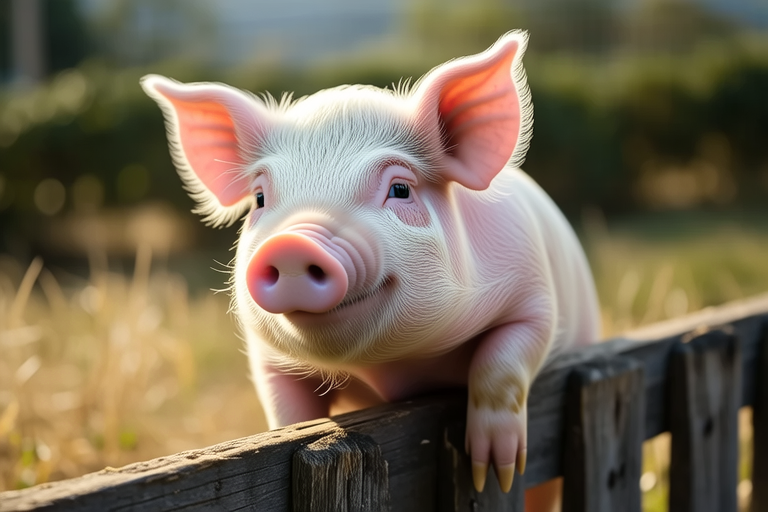
Mini Pigs: The Surprising Truth About Their Intelligence
Introduction:
Mini pigs, often referred to as micro pigs or teacup pigs, have gained significant popularity over the years. These pint-sized creatures have captured the hearts of many, but there are several misconceptions surrounding them. One of the most prevalent myths is that mini pigs are small enough to be kept in apartments or carried around like dogs. This misconception has led to many unfortunate situations where mini pigs grow much larger than expected, leaving their owners unprepared. In reality, even the smallest breeds of mini pigs can weigh between 50 to 70 pounds when fully grown, making them unsuitable for small living spaces.
Another common misconception is that all mini pigs are fully domesticated. While some breeds have been selectively bred for generations, others are descendants of feral populations. This distinction is crucial because it affects their behavior and needs. For instance, wilder strains may exhibit more independent tendencies compared to those that have been thoroughly domesticated.
The Intelligence of Mini Pigs:
Despite their misleading name and sometimes challenging reputation, mini pigs possess remarkable intelligence. They are capable of learning complex tasks and demonstrating problem-solving skills that rival those of dogs and primates. Research conducted by Dr. Lori Marino, a neuroscientist at Emory University, suggests that pigs have a high level of cognitive sophistication. Her study, published in the journal Animal Cognition, highlights the ability of pigs to recognize themselves in mirrors, a trait shared by only a few species including chimpanzees, dolphins, and elephants.
Pigs are also adept at using tools. In one experiment, researchers presented pigs with a puzzle box containing food rewards. The pigs quickly figured out how to manipulate the mechanisms to release the treats, showcasing their dexterity and problem-solving abilities. Another notable example is their ability to differentiate between shapes and colors, which they use to navigate mazes and complete other cognitive challenges.
Moreover, mini pigs demonstrate impressive social intelligence. They can form strong bonds with their human companions and other animals, exhibiting empathy and understanding. Many owners report that their mini pigs respond to their names, follow simple commands, and even engage in playful activities like fetch or hide-and-seek. These behaviors indicate a high level of communication and interaction skills.
Training Methods and Interactions:
The intelligence of mini pigs significantly influences how they should be trained and interacted with. Positive reinforcement techniques work exceptionally well with these animals. Using treats and praise, owners can teach mini pigs various commands such as sit, stay, come, and roll over. Clicker training, a popular method among dog trainers, is also highly effective for pigs. This technique involves clicking a device to mark the desired behavior immediately followed by a reward, reinforcing the positive action.
It’s important to note that consistency is key when training mini pigs. Like any intelligent animal, they thrive on routine and clear expectations. Owners should establish a regular schedule for feeding, exercise, and playtime to help maintain structure and reduce stress. Additionally, mental stimulation is vital for keeping mini pigs engaged and happy. Providing toys that encourage exploration and problem-solving can prevent boredom and destructive behaviors.
Advice for Potential Owners:
If you’re considering adopting a mini pig, it’s essential to understand the commitment involved. First and foremost, ensure you have adequate space for your new pet. While mini pigs don’t require vast areas, they need room to roam and explore safely. A secure outdoor pen with shelter and enrichment opportunities is ideal.
Mental stimulation is equally important. Engage your mini pig in interactive games and puzzles designed to challenge their minds. Rotate toys regularly to keep things interesting and provide new experiences. Puzzle feeders, for example, offer a fun way to combine feeding time with brain exercise. These devices require pigs to figure out how to access their food, promoting critical thinking and patience.
Socialization plays a crucial role in raising well-adjusted mini pigs. Expose them to different environments, people, and animals from an early age to build confidence and good manners. Regular visits to parks or pet-friendly cafes can provide valuable social experiences while offering opportunities for exercise.
Conclusion:
Mini pigs are far more than just adorable companions; they are intelligent beings deserving of respect and proper care. By recognizing and appreciating their cognitive abilities, we can better meet their needs and create fulfilling lives for these remarkable animals. Whether you’re a current owner looking to deepen your bond or a prospective adopter eager to bring one into your home, understanding the true nature of mini pigs will undoubtedly enrich your relationship with them.
