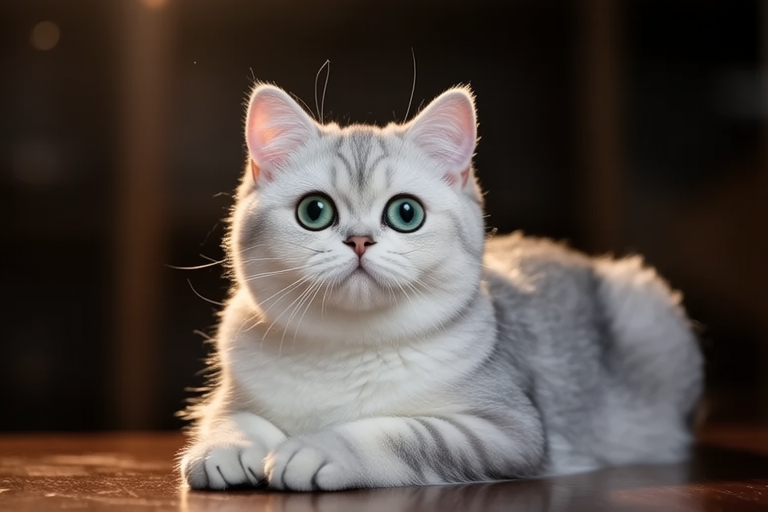
British Shorthair Cats with Silver Coats: A Comprehensive Guide
The British Shorthair is one of the oldest and most beloved cat breeds in the world, known for its robust build, plush coat, and gentle demeanor. Among the various coat colors and patterns, the silver British Shorthair stands out with its distinctive charm and enigmatic appeal. This article explores the unique characteristics, history, and care requirements of these magnificent felines, providing valuable insights for both new and experienced cat owners.
Distinctive Characteristics
British Shorthairs with silver coats possess a striking appearance that sets them apart from other cat breeds. Their plush, dense fur is typically silvery-gray, often referred to as “chinchilla,” with black tipping on each hair, giving them a shimmering effect under light. This coloration is due to the recessive dilution gene, which also produces blue, lilac, and fawn variations. The silver coat contrasts beautifully with their large, round eyes, which can range from copper to deep gold, adding to their captivating allure.
In addition to their stunning appearance, British Shorthairs are known for their robust, muscular bodies and short, thick legs. Males are generally larger than females, with males weighing between 9 to 18 pounds and females between 7 to 12 pounds. Their broad heads, full cheeks, and rounded chins give them a friendly, teddy bear-like appearance. Their ears are medium-sized and set wide apart, while their noses are short and broad, contributing to their overall adorable look.
History and Origins
The origins of the British Shorthair can be traced back to ancient Egypt, where these cats were revered for their hunting prowess and companionship. They were brought to Britain by the Romans around 2,000 years ago, where they interbred with local cats to develop the foundation for today’s British Shorthair breed. Over time, the breed was refined through selective breeding, resulting in the sturdy, affectionate, and playful cats we know today.
The silver British Shorthair gained recognition in the late 19th century when it became one of the first cat breeds shown at the Crystal Palace cat show in London in 1871. Since then, the breed has been celebrated for its elegance, intelligence, and loyalty. Despite their regal appearance, British Shorthairs are known for their easygoing nature and adaptability, making them excellent companions for families and individuals alike.
Temperament and Personality
British Shorthairs with silver coats are renowned for their calm and even-tempered personalities. They are known for their patience, tolerance, and affectionate nature, making them ideal companions for households with children and other pets. These cats are generally quiet, preferring to observe rather than engage in constant activity. However, they are not aloof or distant; instead, they form strong bonds with their human companions and enjoy spending quality time with them.
One of the most endearing qualities of the silver British Shorthair is their playful nature. While they may not be as energetic as some other breeds, they still enjoy interactive play sessions with their owners. Many owners report that their silver British Shorthairs love to play fetch, chase toys, and explore their surroundings with curiosity and enthusiasm. Their playful side is often accompanied by bursts of energy, especially during kittenhood, but they tend to mellow out as they age.
Anecdote: One owner shared a story about her silver British Shorthair named Luna. Luna had a peculiar habit of sitting on the kitchen counter every morning, waiting for her owner to prepare breakfast. Once the food was ready, Luna would meow softly, as if asking to be fed. Her owner found this routine charming and amusing, and it became a cherished part of their daily routine.
Grooming Needs
Despite their luxurious coats, silver British Shorthairs are relatively low-maintenance when it comes to grooming. Their dense, plush fur requires weekly brushing to prevent matting and remove loose hairs. During shedding seasons, particularly in spring and fall, more frequent brushing may be necessary to keep their coats looking their best. Regular grooming also helps distribute natural oils throughout their fur, keeping it healthy and shiny.
Besides regular brushing, it is essential to maintain their dental hygiene by brushing their teeth at least twice a week and providing them with chew toys to help remove plaque and tartar. Trimming their nails every few weeks and cleaning their ears with a cotton ball and veterinarian-approved ear cleaner are also important aspects of their grooming routine.
Common Health Issues
While silver British Shorthairs are generally healthy cats, like all breeds, they are susceptible to certain genetic conditions. One of the most common health issues affecting this breed is hypertrophic cardiomyopathy (HCM), a heart condition characterized by thickening of the heart muscle. Regular veterinary check-ups, including echocardiograms, can help monitor and manage this condition.
Another potential health concern for silver British Shorthairs is obesity. Due to their sedentary nature, these cats are prone to gaining weight, which can lead to various health problems, including diabetes, arthritis, and liver disease. Maintaining a balanced diet and providing opportunities for exercise can help prevent obesity and promote a long, healthy life for your cat.
Other common health issues include dental problems, urinary tract infections, and allergies. Regular veterinary care, proper nutrition, and a clean living environment can help minimize the risk of these conditions and ensure your cat remains in optimal health.
Popularity and Notable Achievements
The silver British Shorthair has gained significant popularity among cat enthusiasts worldwide due to its striking appearance, gentle temperament, and adaptability. Their presence in literature, media, and real life has further contributed to their fame and appeal.
In literature, the silver British Shorthair has been featured in several novels and short stories. For example, in the classic children’s book “The Tale of Benjamin Bunny” by Beatrix Potter, Benjamin’s cousin Peter Rabbit is accompanied by a silver British Shorthair named Benjamin. The cat’s role in the story adds depth and charm to the narrative, highlighting the breed’s gentle and loyal nature.
In media, the silver British Shorthair has appeared in numerous advertisements, television shows, and movies. One famous example is the silver British Shorthair named Mr. Bigglesworth in the “Austin Powers” film series. Mr. Bigglesworth, who is frequently turned into a cat by Dr. Evil, has become an iconic character and a symbol of the breed’s unique charm and enigmatic appeal.
In real life, silver British Shorthairs have been recognized for their contributions to various fields, including therapy work and rescue missions. Their calming presence and gentle demeanor make them ideal candidates for therapy cat programs, where they provide comfort and emotional support to individuals in hospitals, nursing homes, and schools. Additionally, some silver British Shorthairs have been trained as search and rescue cats, assisting in locating missing persons and survivors in disaster-stricken areas.
Care Requirements
Providing the right care for your silver British Shorthair is crucial to ensuring their well-being and happiness. In addition to regular grooming and veterinary care, there are several other factors to consider when caring for these cats.
First and foremost, creating a safe and stimulating environment is essential. Provide your cat with plenty of scratching posts, climbing trees, and interactive toys to keep them mentally and physically engaged. Silver British Shorthairs are intelligent creatures and thrive on mental stimulation, so offering puzzle feeders and brain games can help keep their minds sharp and prevent boredom.
Secondly, maintaining a balanced diet is vital for their overall health. Consult with your veterinarian to determine the appropriate diet based on your cat’s age, weight, and activity level. High-quality cat food that meets their nutritional needs will help support their immune system, promote healthy skin and coat, and prevent obesity.
Lastly, providing ample opportunities for exercise is crucial for maintaining their physical health. Encourage your cat to engage in play sessions with you or other household pets. Interactive toys, laser pointers, and feather wands are great tools for stimulating their hunting instincts and promoting physical activity.
Conclusion
The silver British Shorthair is a breed of cat that combines elegance, intelligence, and affection, making them a popular choice among cat enthusiasts. Their striking appearance, gentle temperament, and playful nature make them ideal companions for families and individuals alike. By understanding their unique characteristics, history, and care requirements, you can provide the best possible life for your silver British Shorthair and enjoy a lifetime of companionship and joy.
