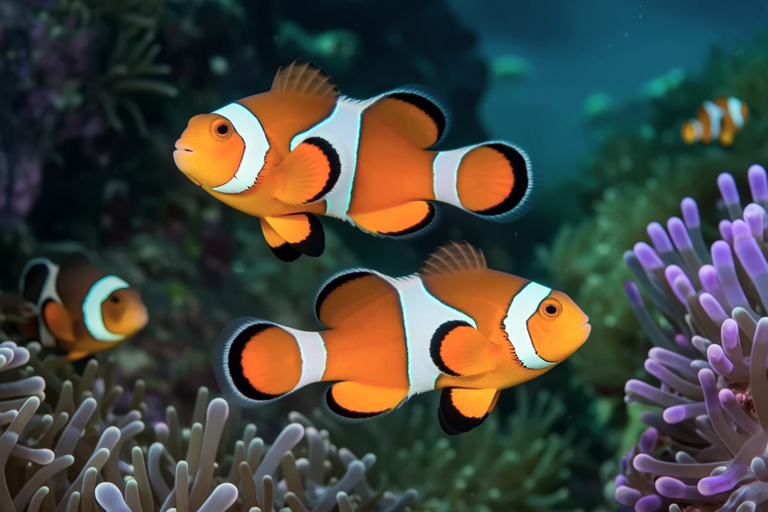
Color Variations in Clownfish: Genetic Factors, Environmental Influences, and Their Significance
The vibrant and varied color patterns of clownfish (genus Amphiprion) have fascinated marine biologists and aquarium enthusiasts alike for decades. These small, often brightly colored fish are renowned for their symbiotic relationship with sea anemones, which provide them with shelter and protection from predators. However, beyond their striking appearance, the diverse colorations of clownfish serve crucial roles in their survival, social interactions, and adaptation to different environments. This article explores the genetic and environmental factors that influence the color variations in clownfish, as well as the significance of these variations in the context of their survival and social behavior within the reef ecosystem.
Genetic Factors Influencing Color Variations
Genetics plays a pivotal role in determining the base coloration of clownfish. The pigmentation genes responsible for producing various colors and patterns are inherited from both parents. In clownfish, the primary pigment types include melanin, which produces black and brown hues, and carotenoids, which are responsible for red and orange tones. The interaction between these pigments and other genetic factors can result in a wide array of color patterns.
One notable example is the Amphiprion percula, commonly known as the orange clownfish. This species exhibits a characteristic tri-colored pattern: white bars on an orange body with black margins. The presence of these distinct colors is governed by specific genes that control the distribution of pigments across the fish’s body. Studies have shown that certain alleles of these genes can lead to variations in the intensity and distribution of pigmentation, resulting in individuals with more pronounced or less defined patterns.
In addition to the basic pigmentation genes, there are also modifier genes that can affect the overall appearance of the fish. For instance, some clownfish exhibit a yellowish tint due to the presence of xanthophores, cells that produce yellow pigments. The expression of these cells is influenced by both genetic and environmental factors, leading to the observed diversity in coloration among different populations of clownfish.
Environmental Influences on Color Variations
Beyond genetics, environmental factors such as diet, temperature, and light exposure can significantly impact the coloration of clownfish. One of the most studied environmental influences is diet. Clownfish obtain their pigments primarily through their diet, particularly from the algae and plankton they consume. A deficiency in essential nutrients, such as carotenoids, can result in duller or less vibrant coloration.
Temperature and light exposure are also critical factors. Higher temperatures can increase metabolic rates, potentially leading to faster degradation of pigments. Conversely, insufficient light exposure can hinder the synthesis of certain pigments, especially those that require sunlight for activation. In laboratory settings, researchers have observed that clownfish raised in environments with limited light exposure tend to exhibit paler colors compared to those kept under optimal lighting conditions.
Moreover, the presence of sea anemones, which serve as both habitat and food source for clownfish, can influence their coloration. Some studies suggest that the symbiotic relationship between clownfish and anemones may play a role in the regulation of pigment production. The toxins produced by anemones, for example, could stimulate the production of protective pigments in clownfish, contributing to their distinctive color patterns.
Significance of Color Variations in Survival and Social Behavior
The color variations in clownfish are not merely aesthetic; they serve important functions in the fish’s survival and social interactions. One of the primary roles of coloration is camouflage, helping clownfish blend into their surroundings and avoid predation. The contrasting patterns of white and black stripes against an orange background, for instance, can make it difficult for predators to single out individual fish, especially when they are moving among the tentacles of an anemone.
Additionally, color variations can be used as signals during mating and territorial disputes. Brighter, more vivid colors are often associated with higher fitness and reproductive success. Male clownfish, in particular, tend to display more intense coloration during courtship and spawning, signaling their readiness to mate. Females, on the other hand, may use subtle variations in color to assess the suitability of potential mates.
Within a group of clownfish, color variations can also indicate dominance hierarchies. The dominant individual, typically the largest female, often exhibits the brightest and most vivid colors. Subordinate individuals may have less pronounced patterns or appear slightly paler, reflecting their lower status within the group. This visual cue helps maintain social order and reduces the frequency of aggressive encounters.
Health Indicators Through Coloration
The coloration of clownfish can also serve as an indicator of their overall health and well-being. Healthy clownfish generally exhibit bright, vibrant colors, while those suffering from stress, disease, or malnutrition may show signs of fading or dullness. For example, a fish with a pale or washed-out appearance may be experiencing nutritional deficiencies or environmental stressors, such as poor water quality or overcrowding.
Researchers have found that clownfish exposed to stressful conditions, such as sudden changes in water temperature or pH levels, often exhibit reduced pigmentation. This phenomenon, known as “blanching,” occurs as a result of physiological stress responses that divert energy away from pigment production. By monitoring changes in coloration, aquarists and researchers can quickly identify potential issues and take corrective actions to improve the fish’s living conditions.
Maturity and Specific Adaptations to Habitats
Color variations can also indicate the maturity level of clownfish. As clownfish grow and mature, their coloration often becomes more intense and pronounced. Young clownfish, for instance, may start off with less defined patterns and gradually develop more distinct markings as they reach adulthood. This gradual change in coloration serves as a visual cue for potential mates and rivals, signaling the fish’s readiness to participate in reproductive activities.
Furthermore, color variations can reflect specific adaptations to different habitats. Clownfish species living in deeper waters, where light penetration is limited, tend to have darker, more subdued colorations. This adaptation allows them to better blend into their environment and avoid detection by predators. In contrast, species inhabiting shallow, brightly lit reefs often exhibit brighter and more vibrant colors, possibly to attract mates or deter competitors.
Recent studies have also suggested that color variations may be linked to specific behavioral adaptations. For example, clownfish populations living in areas with high levels of competition for resources may exhibit more aggressive behaviors, which could be reflected in their coloration. Fish with more intense coloration might be better equipped to defend their territory or attract mates, giving them a competitive edge in crowded environments.
Conclusion
The color variations in clownfish are the result of complex interactions between genetic factors and environmental influences. These variations play a crucial role in the fish’s survival, social behavior, and adaptation to different habitats. From camouflage and communication to health indicators and maturity cues, the diverse color patterns of clownfish provide valuable insights into their biology and ecology. Understanding these color variations not only enhances our appreciation of these fascinating creatures but also aids in their conservation and management in both natural and captive environments.
