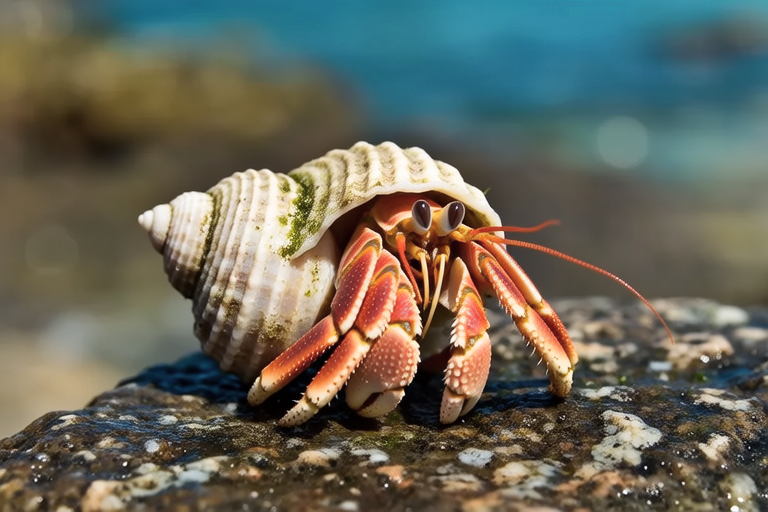
Hermit Crabs: A Comprehensive Guide
Welcome to the fascinating world of hermit crabs! These intriguing creatures have captivated the hearts of many with their unique lifestyle and charming behaviors. In this article, we will explore the lifecycle, habitat, behavior, and care tips of hermit crabs. We’ll delve into their shell-swapping habits, social interactions, and dietary needs, highlighting interesting facts about their adaptation skills and their contribution to marine ecosystems. Additionally, we will provide insights into keeping hermit crabs as pets, including setting up appropriate environments and common health issues.
The Lifecycle of Hermit Crabs
The lifecycle of hermit crabs is an intricate process that begins with mating. During the breeding season, adult hermit crabs engage in courtship rituals to find a suitable mate. Once paired, the female carries fertilized eggs under her abdomen until they hatch. The larvae then enter the water column, where they undergo several molts before developing into juvenile hermit crabs. Juveniles eventually leave the water and seek out empty shells to inhabit, marking the beginning of their terrestrial or semi-aquatic lifestyle.
Habitat and Behavior
Hermit crabs are found in various habitats, including tropical beaches, mangroves, and coral reefs. They prefer areas with abundant food sources and plenty of empty shells for shelter. These crustaceans are known for their remarkable ability to adapt to different environments, making them resilient survivors. In addition to their preference for shells, hermit crabs exhibit fascinating behaviors such as climbing, burrowing, and scavenging for food.
Shell-Swapping Habits
One of the most intriguing aspects of hermit crab biology is their shell-swapping habit. As hermit crabs grow, they outgrow their current shells and must find larger ones to accommodate their expanding bodies. This process can be competitive, with multiple crabs vying for the same shell. Interestingly, some species of hermit crabs have developed symbiotic relationships with sea anemones, which provide protection from predators in exchange for transportation.
Social Interactions
Hermit crabs are generally solitary animals but can display social behaviors when it comes to finding food or mates. They often gather in groups during feeding times, sharing resources and communicating through chemical signals. Mating rituals involve complex dances and displays, showcasing the importance of social interaction in hermit crab reproduction.
Dietary Needs
Hermit crabs are omnivorous scavengers, feeding on a variety of organic matter, including algae, decaying plant material, and small invertebrates. Their diet plays a crucial role in maintaining the health of marine ecosystems by breaking down dead organisms and recycling nutrients. Providing a balanced diet for pet hermit crabs is essential to ensure their well-being.
Adaptation Skills
Hermit crabs have evolved numerous adaptations that allow them to thrive in challenging environments. One of the most notable is their ability to carry their homes on their backs, providing protection from predators and harsh weather conditions. Additionally, hermit crabs possess flexible abdomens that can bend and twist to fit inside various shell shapes, further enhancing their survival capabilities.
Contribution to Marine Ecosystems
Hermit crabs play a vital role in maintaining the balance of marine ecosystems by acting as decomposers and contributing to nutrient cycling. Their scavenging activities help prevent the accumulation of organic waste, promoting healthy aquatic environments. Furthermore, hermit crabs serve as prey for larger marine species, supporting the food chain.
Keeping Hermit Crabs as Pets
If you’re considering adopting hermit crabs as pets, there are several factors to consider when setting up their environment. A spacious tank with adequate ventilation is necessary to mimic their natural habitat. Include a variety of shells of different sizes and shapes to allow for shell-swapping opportunities. Additionally, provide hiding spots, climbing structures, and a shallow water dish for soaking. Maintaining proper humidity levels is also crucial for the health of your hermit crabs.
Common Health Issues
Like any pet, hermit crabs may encounter health problems if not cared for properly. Common issues include dehydration, shell rot, and parasitic infections. Regularly inspect your hermit crabs for signs of illness, such as lethargy, loss of appetite, or unusual behavior. Promptly address any concerns by consulting a veterinarian specializing in exotic animals.
Interesting Facts About Hermit Crabs
Did you know that hermit crabs can live for over 30 years? Or that they communicate through vibrations? These fascinating creatures continue to surprise us with their unique characteristics and behaviors. From their impressive longevity to their sophisticated communication methods, hermit crabs offer endless opportunities for learning and discovery.
In conclusion, hermit crabs are captivating creatures that have adapted to thrive in diverse environments. By understanding their lifecycle, habitat, behavior, and care requirements, we can better appreciate these remarkable animals and contribute to their conservation efforts. Whether you’re a seasoned hermit crab enthusiast or simply curious about marine life, there’s always more to learn about these amazing crustaceans.
