Colorful and Charming: Exploring the Behavior of Rajah Cichlids in Home Tanks
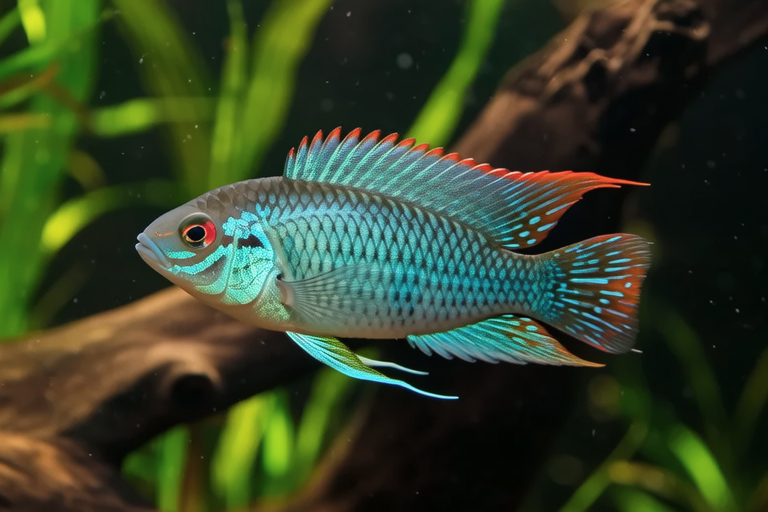
Rajah cichlids, also known as Aequidens rivulatus, are a captivating addition to any freshwater aquarium. These fish are renowned for their vibrant colors and striking appearance. Males typically display a dazzling array of hues, ranging from deep blues and purples to bright oranges and reds, often accentuated by dark stripes or spots. Females, while less flamboyant, still possess a certain charm with their more subdued tones that can include shades of silver and green.
Their unique appearance is complemented by their robust build and elongated fins, making them a focal point in any tank. The contrast between the vivid colors and the sleek, streamlined body of the Rajah cichlid makes them stand out among other species. Their eye-catching nature not only enhances the visual appeal of your aquarium but also adds an element of excitement to watching these fish interact within their aquatic environment.
Natural Habitat and Behavioral Influences
Rajah cichlids originate from the rivers and streams of South America, specifically in regions such as Guyana, Suriname, and French Guiana. Their natural habitat is characterized by slow-moving waters rich in vegetation and rocky substrates. This environment shapes their behavior in several ways. The dense vegetation provides both shelter and breeding sites, encouraging territorial instincts. The presence of rocks and submerged logs creates hiding spots, which are crucial for reducing stress and promoting natural behaviors.
In the wild, Rajah cichlids exhibit strong territorial tendencies, particularly during breeding seasons when they defend nesting areas against intruders. This behavior translates into their interactions within home tanks, where they may become aggressive towards other fish perceived as threats to their space. Understanding this aspect of their nature is essential for creating a harmonious aquarium setup. Providing ample hiding places and ensuring sufficient territory for each fish can help mitigate potential conflicts.
Temperament and Social Dynamics
Rajah cichlids have a reputation for being somewhat aggressive, especially when kept in smaller groups or in confined spaces. However, this aggression is usually directed at conspecifics rather than fish of different species. Males tend to be more dominant and assertive, often displaying hierarchical behaviors within the group. It’s common for one male to establish dominance over others, leading to a clear pecking order.
Despite their occasional bouts of aggression, Rajah cichlids can form stable social structures when provided with adequate space and resources. They engage in complex social interactions, including courtship displays and cooperative care of eggs and fry. Observing these behaviors can be both fascinating and rewarding for aquarists. However, it’s important to note that these interactions can sometimes lead to stress or injury if the tank is overcrowded or lacks sufficient hiding spots.
Compatibility with Other Fish Species
Due to their territorial nature, Rajah cichlids are best suited for tanks with compatible species that can handle their assertiveness. Some suitable tank mates include larger, peaceful cichlids like the convict cichlid (Ameiurus nebulosus) or angelfish (Pterophyllum scalare). These fish are generally large enough to avoid becoming targets of aggression while still being peaceful enough to coexist harmoniously.
It’s crucial to avoid housing Rajah cichlids with small, timid fish or those with long, flowing fins, as these traits can provoke aggressive responses. Additionally, mixing them with highly competitive or aggressive species might lead to conflicts. Careful selection of tank mates ensures a balanced and healthy community within your aquarium.
Setting Up an Optimal Tank Environment
Water Conditions
Maintaining proper water conditions is vital for the well-being of Rajah cichlids. They thrive in slightly acidic to neutral water with a pH range of 6.0 to 7.5. The temperature should be kept between 74°F and 82°F (23°C to 28°C). Regular monitoring of water parameters using test kits is recommended to ensure stability. Ammonia and nitrite levels should be kept at zero, while nitrate levels should be maintained below 20 ppm through regular water changes.
Water hardness can vary depending on the specific needs of individual fish, but a general guideline is to aim for soft to moderately hard water with a dGH of 4 to 12. Adequate filtration is necessary to maintain water quality and provide gentle water movement. A high-quality filter capable of handling the tank size and stocking density will help keep the water clean and oxygenated.
Tank Mates
As previously mentioned, selecting appropriate tank mates is key to creating a peaceful and thriving environment for Rajah cichlids. Apart from choosing compatible species, it’s also important to consider the overall population density. Overcrowding can lead to increased stress and heightened aggression. A good rule of thumb is to allow at least 20 gallons of water per adult Rajah cichlid, providing ample space for swimming and establishing territories.
Creating a diverse and interesting landscape within the tank can further enhance compatibility. Incorporating driftwood, rocks, and plants mimics their natural habitat and offers hiding spots and spawning sites. Live plants like Java fern (Microsorum pteropus) and Amazon swords (Echinodorus amazonicus) are excellent choices as they provide both aesthetic value and functional benefits.
Diet
Rajah cichlids are omnivorous, meaning they require a balanced diet consisting of both plant-based and protein-rich foods. In the wild, their diet includes insects, small crustaceans, algae, and various plant matter. To replicate this in captivity, offer a varied menu that includes high-quality flake food, pellets, and occasional live or frozen treats such as bloodworms, brine shrimp, and daphnia.
Feeding should be done two to three times daily, with small portions to prevent overfeeding and maintain water quality. Overfeeding can lead to excess waste, which negatively impacts water conditions. Ensuring a nutritious and diverse diet promotes healthy growth and vibrant coloration.
Maintaining Health and Happiness
Observing the health and happiness of your Rajah cichlids is crucial for their longevity and well-being. Regularly monitor their behavior for signs of stress or illness, such as lethargy, loss of appetite, or unusual physical symptoms. Prompt action can prevent minor issues from escalating into serious health problems.
To maintain optimal health, conduct routine water changes of about 20% weekly. This helps remove accumulated toxins and refreshes the water, contributing to a healthier environment. Additionally, providing a balanced diet and maintaining stable water conditions are fundamental steps in keeping your Rajah cichlids thriving.
The rewarding experience of observing Rajah cichlids in your home tank lies in their vibrant colors and engaging behaviors. Watching them interact, establish territories, and care for their young can be a delightful and enriching experience for any aquarist. With proper care and attention, these colorful and charming fish will bring joy and fascination to your aquarium.
