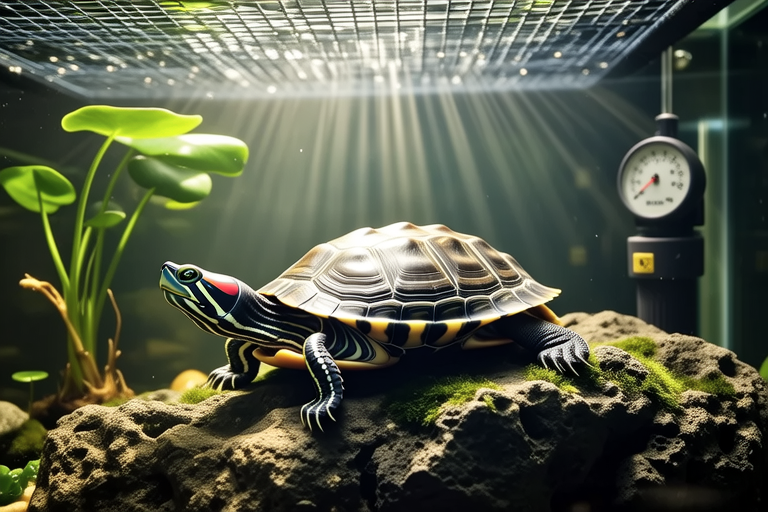
How to Create a Paradise for Your Tiny Shell-Loving Pet
Welcome to the world of shell-loving pets! These small creatures, often referred to as hermit crabs, snails, or even certain species of turtles, bring a unique charm to any home. Caring for these little beings requires understanding their specific needs and creating an environment that mimics their natural habitats as closely as possible. This comprehensive guide will walk you through the steps to set up the perfect habitat, meet their dietary needs, introduce interactive toys, maintain cleanliness, and ensure their overall health and happiness.
Setting Up the Perfect Habitat
The first step in creating a paradise for your tiny shell-loving pet is setting up the right habitat. The type of enclosure you choose depends on the species of your pet. For instance, hermit crabs require more space than snails due to their active nature. A glass aquarium with a secure lid is ideal for most shell-loving pets. Ensure the tank has adequate ventilation to prevent moisture buildup and promote air circulation.
Substrate is crucial for replicating a natural environment. For hermit crabs, a mix of sand and coconut fiber provides a comfortable base. Snails prefer a layer of moist soil or moss. Include various hiding spots such as shells, driftwood, and caves to encourage exploration and reduce stress. Additionally, add water dishes for drinking and bathing. Ensure the water is shallow and regularly changed to avoid bacterial growth.
Dietary Needs
Your shell-loving pet’s diet plays a vital role in its health and longevity. Hermit crabs are omnivores, feeding on a variety of foods including fruits, vegetables, proteins, and calcium supplements. Offer them a balanced diet consisting of fresh produce like bananas, apples, and carrots. Protein sources such as fish flakes, shrimp, and boiled eggs can be included occasionally. Calcium supplements, essential for maintaining strong exoskeletons, should be provided through cuttlebones or calcium-rich foods.
Snails have different dietary requirements. They thrive on a diet of leafy greens, vegetables, and fruits. Avoid acidic foods like citrus, which can harm their sensitive digestive systems. Provide a steady supply of calcium through crushed eggshells or calcium blocks to support proper shell development.
Interactive Toys Suitable for Shell-Loving Pets
To keep your shell-loving pet entertained and mentally stimulated, consider adding interactive toys to its habitat. For hermit crabs, items like plastic tunnels, bridges, and climbing structures encourage physical activity and exploration. Introduce new objects periodically to prevent boredom and stimulate curiosity.
Snails benefit from toys that mimic natural environments, such as smooth rocks and plants. These additions provide opportunities for climbing and crawling, enhancing their physical well-being. Interactive feeding devices, like puzzle feeders, can also be used to challenge your pet’s problem-solving skills while providing enrichment.
Maintaining Cleanliness
A clean habitat is essential for the health of your shell-loving pet. Regular cleaning helps prevent the buildup of harmful bacteria and ensures a pleasant living environment. For hermit crabs, spot-clean the substrate daily by removing uneaten food and waste. Perform a thorough cleaning every few weeks by replacing the substrate and disinfecting the tank with a pet-safe cleaner.
For snails, maintain a clean habitat by regularly changing the water in their dish and wiping down the tank walls. Remove any soiled substrate or dead snails promptly to prevent contamination. Use a soft brush to gently clean the shells of your snails, ensuring they remain healthy and free from debris.
Tips for Ensuring Their Overall Health and Happiness
Creating a paradise for your tiny shell-loving pet involves more than just setting up a habitat and providing food. Here are some additional tips to ensure their overall health and happiness:
- Temperature and Humidity: Maintain optimal temperature and humidity levels based on your pet’s specific needs. Hermit crabs prefer temperatures between 75-85°F (24-29°C) with humidity around 70-80%. Snails thrive in slightly cooler conditions with higher humidity.
- Regular Check-Ups: Monitor your pet’s behavior and appearance for signs of illness. Look for changes in appetite, unusual movements, or visible injuries. Consult a veterinarian specializing in exotic pets if you notice any concerning symptoms.
- Social Interaction: While hermit crabs are social creatures, they may become stressed if overcrowded. Provide ample space for each crab to ensure they can interact without conflict. Snails are solitary animals but can coexist peacefully in larger enclosures.
- Shell Rotation: Encourage your hermit crabs to explore new shells by offering a variety of sizes and styles. Rotate the available shells periodically to stimulate interest and promote healthy shell changes.
- Environmental Enrichment: Mimic natural habitats by incorporating elements like live plants, driftwood, and water features. These additions enhance the visual appeal of the habitat and provide opportunities for exploration and play.
Conclusion
Caring for a shell-loving pet is a rewarding experience filled with joy and discovery. By following the guidelines outlined in this article, you can create a paradise that meets all of your pet’s needs. Remember to stay informed about the specific requirements of your pet’s species and adjust the habitat accordingly. With proper care and attention, your tiny shell-loving friend will lead a happy, healthy life in its new home.
