Unraveling the Mystery of the Graceful Turkish Angora
The Turkish Angora, a breed of cat renowned for its elegance and grace, has captivated hearts and minds for centuries. With origins deeply rooted in the rich tapestry of Turkish history, this feline stands as a testament to beauty, intelligence, and adaptability. This article delves into the fascinating history, physical characteristics, temperament, health considerations, and care tips of the Turkish Angora, providing an enlightening journey for both cat enthusiasts and prospective owners.
A Royal and Temple Legacy
The Turkish Angora traces its roots back to the ancient lands of Turkey, where it has been cherished for millennia. Historically, these cats were revered in temples and palaces, symbolizing purity and grace. The breed’s presence in royal courts and sacred spaces underscores its significance in Turkish culture. Legends tell of sultans and nobles keeping Angoras as companions and symbols of status. Their association with temples highlights the spiritual reverence attributed to these cats, believed to bring good fortune and protect against evil spirits.
Elegant Appearance and Striking Eyes
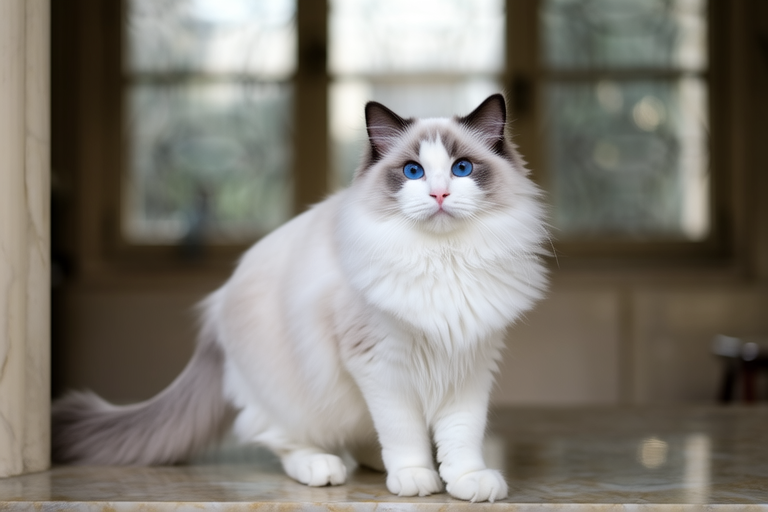
One glance at a Turkish Angora reveals why it is considered one of the most beautiful cat breeds. With a slender, muscular body, these cats exude an air of poise and elegance. Their long, silky coats come in a variety of colors, but perhaps the most iconic feature is their large, expressive blue eyes. These striking blue orbs are often described as mesmerizing, adding to the breed’s ethereal allure. The combination of a delicate face, high cheekbones, and prominent ears creates a regal appearance that is both graceful and captivating.
Temperament: Intelligent and Adaptable Companions
Beyond their physical beauty, Turkish Angoras are celebrated for their engaging personalities. Known for their intelligence and curiosity, these cats are quick learners and enjoy interactive play. They possess a playful yet gentle demeanor, making them excellent companions for families and individuals alike. Their adaptability allows them to thrive in various environments, from bustling cities to serene rural settings. Despite their independent streak, Turkish Angoras form strong bonds with their human companions, often following them around the house and seeking affection.
Health Considerations and Care Tips
While Turkish Angoras generally enjoy good health, they are prone to certain genetic conditions. One notable concern is hypertrophic cardiomyopathy (HCM), a heart disease that can affect the breed. Regular veterinary check-ups, including heart screenings, are essential for early detection and management of HCM. Additionally, their long, fine coats require regular grooming to prevent matting and ensure optimal skin health. Providing a balanced diet, fresh water, and a stimulating environment are key to maintaining their well-being.
Common Ailments
- Hypertrophic Cardiomyopathy (HCM): A heart condition that can lead to heart failure if left untreated.
- Dental Issues: Like many cat breeds, Turkish Angoras may experience dental problems, necessitating routine dental care.
- Allergies: Some Angoras may develop allergies to certain foods or environmental factors, requiring careful monitoring.
Care Tips
- Grooming: Brush your Turkish Angora regularly to prevent tangles and keep their coat healthy.
- Nutrition: Feed them a high-quality diet tailored to their nutritional needs.
- Veterinary Care: Schedule regular check-ups and vaccinations to monitor their health.
- Mental Stimulation: Engage them in interactive play to keep their minds sharp and bodies active.
Anecdotes and Stories
The Turkish Angora’s charm extends beyond its physical attributes and into the realm of personal experiences. Many owners recount tales of their Angoras’ endearing quirks and exceptional loyalty. For instance, one owner shared how her Turkish Angora, named Luna, had a penchant for sitting on her lap during quiet moments, offering comfort and companionship. Another story tells of a cat named Zephyr, who was known for his ability to open doors by pushing the handle with his paw, showcasing the breed’s cleverness.
In another touching anecdote, a family adopted a Turkish Angora kitten named Sultan, who quickly became the center of attention. Sultan’s playful antics and affectionate nature brought joy to the household, reminding everyone of the breed’s enduring appeal. These stories illustrate the unique bond that forms between Turkish Angoras and their owners, making them cherished members of the family.
Conclusion
The Turkish Angora is more than just a cat; it is a piece of living history, a symbol of grace and elegance, and a beloved companion. From its royal and temple origins in Turkey to its presence in modern households, this breed continues to captivate hearts and minds. Its striking appearance, intelligent temperament, and adaptable nature make it an excellent choice for those seeking a loyal and charming feline friend. By understanding the breed’s history, physical traits, health considerations, and care requirements, prospective owners can provide the best possible life for these enchanting creatures. As you embark on your journey with a Turkish Angora, prepare to be charmed by its graceful nature and the enduring appeal that has made it a favorite among cat lovers worldwide.
