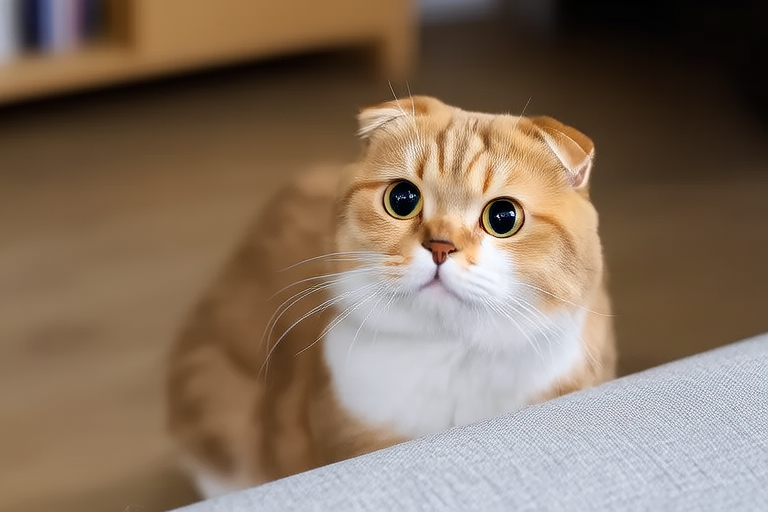
Adorable Scottish Folds: The Ultimate Inside Look
Welcome to the world of the Scottish Fold, a breed of cat that has captured the hearts of many with its unique appearance and delightful personality. Known for their distinctive folded ears and round faces, these cats are as charming as they are curious. In this comprehensive guide, we will explore everything you need to know about Scottish Folds, from their history and physical traits to their temperament and care requirements.
The Unique Physical Traits of Scottish Folds
The most striking feature of the Scottish Fold is, without a doubt, its folded ears. These ears, which can fold forward, sideways, or even backward, are caused by a genetic mutation that affects the cartilage of the ear. This gives them a distinctive look that is both adorable and unique. Coupled with their round faces, large eyes, and expressive features, it’s no wonder that these cats are often described as resembling stuffed animals. Their compact, well-rounded bodies are also covered in plush fur that can range from short and dense to long and silky, depending on the individual cat.
Temperament
Scottish Folds are known for their gentle and affectionate nature. They are typically calm and easygoing, making them excellent companions for families with children or other pets. Despite their laid-back demeanor, these cats are intelligent and curious, often exploring their surroundings with great interest. They enjoy the company of their human family and are usually quite vocal, expressing themselves through soft meows and chirps. However, they are not overly demanding and respect personal space, making them adaptable to various household environments.
Ideal Living Conditions
Scottish Folds thrive in environments where they feel safe and secure. They are indoor cats due to their inability to adapt to harsh outdoor conditions, particularly the cold. A spacious home with plenty of hiding spots, climbing areas, and toys is ideal. Providing them with vertical spaces like cat trees or shelves allows them to observe their surroundings from above, which they find comforting. Additionally, regular interaction and playtime are essential to keep them mentally stimulated and physically active.
Common Health Issues
While generally healthy, Scottish Folds are prone to certain health issues, primarily related to their genetics. The same gene responsible for their folded ears can also lead to osteochondrodysplasia, a condition affecting bone and cartilage development. This can result in joint problems, particularly in the tail, legs, and spine. Regular veterinary check-ups and maintaining a healthy weight are crucial for managing these potential issues. Early detection and proper care can significantly improve their quality of life.
Dietary Needs
A balanced diet is vital for the overall health of Scottish Folds. High-quality cat food that meets their nutritional needs should be provided. This includes a mix of proteins, fats, carbohydrates, vitamins, and minerals. It’s important to avoid overfeeding, as obesity can exacerbate joint problems. Consultation with a veterinarian can help determine the appropriate diet based on the cat’s age, activity level, and specific health considerations.
History
The history of the Scottish Fold begins in Scotland in the 1960s when a barn cat named Susie was discovered with folded ears. Her offspring inherited this trait, and selective breeding led to the development of the Scottish Fold breed. Initially, these cats were popular in Britain but gained significant attention after being introduced to North America in the late 1970s. Today, they are beloved worldwide for their unique looks and amiable personalities.
Tips for Potential Owners
Training
Training a Scottish Fold is relatively straightforward. They respond well to positive reinforcement, such as treats and praise, when learning new commands or tricks. Clicker training is particularly effective for teaching them basic behaviors like sitting, coming when called, and using a scratching post. Consistency and patience are key, as they may take some time to fully understand what is expected of them.
Grooming
Grooming is an essential part of caring for a Scottish Fold. Their thick coats require regular brushing to prevent matting and hairballs. Short-haired varieties typically need weekly brushing, while long-haired ones may require daily sessions. Pay special attention to their ears, cleaning them gently to remove any debris or wax buildup. This helps maintain their appearance and prevents infections.
Bonding
Bonding with your Scottish Fold can be a rewarding experience. Spend quality time together playing interactive games, offering them toys that stimulate their minds and bodies. Engaging in activities that involve physical and mental challenges can strengthen the bond between you and your pet. Additionally, providing them with affection and attention will foster a trusting relationship.
Why Scottish Folds Make Exceptional Pets
Scottish Folds are cherished by their owners for their unique appearance and lovable personalities. Their gentle nature makes them ideal companions for people seeking a quiet, affectionate pet. Studies have shown that interacting with cats can reduce stress and anxiety, promoting better mental health. Anecdotes from owners often highlight the joy and comfort these cats bring into their lives. Whether it’s curling up for a nap or simply being present, Scottish Folds offer unwavering companionship and love.
In conclusion, the Scottish Fold is a breed that combines beauty with charm, making them one of the most sought-after cats today. With proper care and attention, they can provide years of companionship and happiness. If you’re considering adopting a Scottish Fold, be prepared for a lifelong friendship filled with endless cuddles and moments of pure joy.
