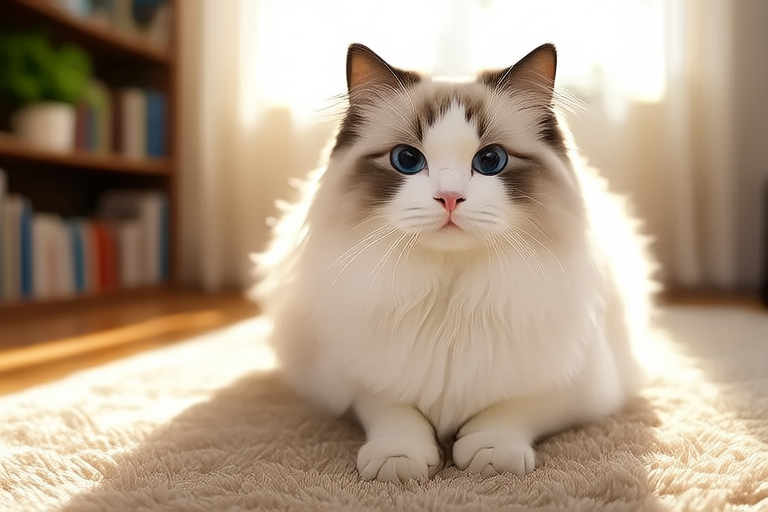
The Gentle Giants of the Feline World: Insights into Ragdoll Behavior
When it comes to feline companions, few breeds capture the hearts of cat enthusiasts quite like the Ragdoll. Known for their large size and gentle demeanor, these cats have earned the nickname “gentle giants” among pet lovers. The Ragdoll’s unique combination of size and temperament makes them a standout choice for those seeking a loving and affectionate pet. This article delves into the fascinating world of Ragdolls, exploring their origins, behavior, care requirements, and why they are considered ideal companions.
A Glimpse into the Origins of the Ragdoll Breed
The story of the Ragdoll begins in the mid-20th century in California. Ann Baker, a breeder from Riverside, played a pivotal role in developing this beloved breed. In the early 1960s, Baker acquired a white longhaired cat named Josephine, who was known for her friendly disposition. Josephine had been involved in an accident, which may have influenced her unusual behavior. It was after this event that Josephine began exhibiting the characteristic limpness she displayed when picked up, a trait that would become one of the defining features of the Ragdoll breed.
Baker selectively bred Josephine with other cats, including a Persian and a Burmese, to create the first Ragdoll kittens. These initial efforts were met with skepticism from the wider cat breeding community, as Baker sought to protect her intellectual property through a unique business model involving royalties and contracts. Despite these challenges, the Ragdoll’s popularity grew steadily, and by the late 1970s, the breed gained recognition from major cat registries such as The International Cat Association (TICA) and the Cat Fanciers’ Association (CFA).
Ragdolls: A Unique Blend of Size and Temperament
Ragdolls are medium to large-sized cats, with males typically weighing between 12 to 20 pounds and females around 8 to 15 pounds. Their size is complemented by their striking appearance, featuring a semi-long coat that requires regular grooming. One of the most distinctive traits of Ragdolls is their docile and affectionate nature. When held, Ragdolls often go completely limp, a behavior that gives them their name and adds to their charm. This trait, however, is more pronounced in some individuals than others and can vary based on individual personalities.
Known for their calm and relaxed demeanor, Ragdolls are exceptionally good-natured and rarely display aggressive tendencies. They are highly adaptable to different environments, making them suitable for families, apartments, and even households with children and other pets. Ragdolls are social animals and thrive on human interaction, often following their owners around the house, seeking out attention and companionship.
Behavioral Traits and Interaction with Humans and Other Pets
Ragdolls are renowned for their exceptional bond with their human companions. They are incredibly affectionate and enjoy being close to their owners, often curling up in laps or on beds. Their docile nature makes them perfect for families looking for a laid-back, loving pet. Ragdolls are also known for their intelligence, often learning to respond to their names and understanding basic commands. Some Ragdolls have even been trained to walk on a leash, allowing them to explore outdoors safely.
When it comes to other pets, Ragdolls tend to get along well. Their gentle demeanor means they are unlikely to cause trouble, making them ideal companions for households with dogs or other cats. However, it’s important to introduce new pets gradually and under supervision to ensure a smooth transition. Ragdolls are patient and tolerant, qualities that make them great additions to multi-pet households.
Caring for Your Ragdoll: Tips for Prospective Owners
Owning a Ragdoll is a rewarding experience, but it does come with certain responsibilities. Proper care ensures that your cat remains healthy and happy. Here are some essential tips for caring for your Ragdoll:
- Dietary Needs: Ragdolls benefit from a balanced diet rich in proteins and fats, which support their muscle mass and overall health. High-quality commercial cat foods designed for indoor or senior cats are usually sufficient. It’s important to monitor your cat’s weight and adjust feeding amounts accordingly to prevent obesity, a common issue in this breed.
- Grooming Requirements: Ragdolls have a semi-long coat that requires regular brushing to prevent matting and tangles. Weekly grooming sessions are recommended, especially during shedding seasons. Bathing is generally not necessary unless your cat gets particularly dirty, but keeping their claws trimmed is essential to prevent discomfort and potential injury.
- Health Considerations: Like all breeds, Ragdolls are prone to certain health issues. Regular veterinary check-ups are crucial for early detection and management of any potential problems. Common health concerns include heart disease, kidney issues, and hypertrophic cardiomyopathy. Genetic testing can help identify predispositions to certain conditions, allowing for proactive care.
Why Ragdolls Make Ideal Companions
Ragdolls are cherished for their unique blend of size, temperament, and affection. Their gentle nature and strong bond with their owners make them excellent companions for those seeking a loving and loyal pet. Many owners attest to the joy and comfort their Ragdolls bring into their lives. For instance, Sarah Johnson, a Ragdoll owner from Chicago, shares, “My Ragdoll, Luna, has brought so much warmth and happiness to our home. She is always there to greet me with a purr and a cuddle, making every day feel a little brighter.”
In conclusion, Ragdolls are more than just cats; they are cherished family members. Their gentle giants demeanor, combined with their affectionate nature, makes them ideal companions for those who appreciate a calm and loving presence in their homes. Whether you’re a seasoned cat owner or considering adopting your first feline friend, a Ragdoll might be the perfect choice to enrich your life with unwavering loyalty and companionship.
