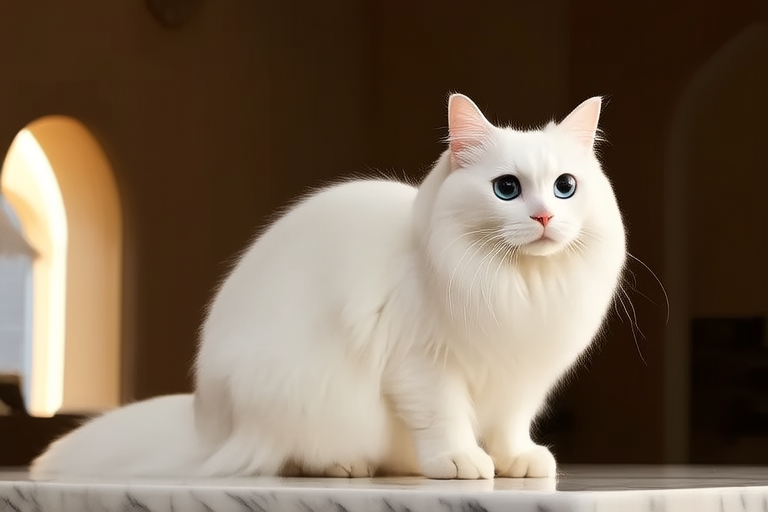
Turkish Angora: The Majestic Cat of Ankara
The Turkish Angora, a breed steeped in history and revered for its elegance, has been a beloved companion to humans for centuries. Originating from the heart of Turkey, this cat is not only a symbol of national pride but also a testament to the country’s rich cultural heritage. This article delves into the fascinating history, physical attributes, personality traits, and care requirements of the Turkish Angora, providing insights that will captivate both cat enthusiasts and prospective pet owners.
A Royal Heritage
The Turkish Angora’s lineage traces back to ancient times, with references found in Turkish folklore and historical texts. Legends tell of these cats residing in the palaces of Ottoman sultans, where they were cherished for their beauty and grace. One such tale recounts how a Sultan presented a Turkish Angora as a gift to a visiting dignitary, emphasizing the breed’s status as a symbol of luxury and refinement.
Historically, the Turkish Angora was associated with the city of Ankara, formerly known as Angora, from which it derives its name. These cats were often depicted in paintings and sculptures, reflecting their significant role in Turkish art and culture. Their presence in the region dates back thousands of years, with archaeological evidence suggesting they have been living alongside humans since the time of the Hittites.
Elegant Appearance
The Turkish Angora is renowned for its striking appearance, characterized by its long, silky coat and piercing blue eyes. These cats come in a variety of colors, but the most iconic is the white Turkish Angora with its distinctive blue eyes. Their coats are fine and luxurious, requiring minimal grooming but adding to their regal demeanor. The breed’s elegant physique, combined with their graceful movements, makes them a true spectacle to behold.
One of the most notable features of the Turkish Angora is its tail, which is long and plumed. This feature adds to the cat’s overall charm and contributes to its distinctive silhouette. Their almond-shaped eyes, typically blue, give them an ethereal quality, further enhancing their majestic appearance.
Personality Traits
Beyond their physical beauty, Turkish Angoras are celebrated for their intelligence and playful nature. These cats are known for their curiosity and love of adventure, often exploring every corner of their environment with enthusiasm. They are highly adaptable, thriving in both urban and rural settings, and can quickly acclimate to new surroundings.
Despite their independent streak, Turkish Angoras are affectionate and form strong bonds with their human companions. They enjoy interactive play and are often found engaging in games that challenge their intellect. Their loyalty and companionship make them excellent pets for families and individuals alike.
Care Requirements
Providing proper care for a Turkish Angora is essential to ensure their well-being and longevity. Their diet should consist of high-quality cat food, rich in proteins and nutrients that support their active lifestyle. Regular veterinary check-ups are crucial, as early detection of potential health issues can significantly improve treatment outcomes.
Grooming Advice
While the Turkish Angora’s coat requires minimal maintenance, regular brushing helps prevent matting and keeps their fur looking its best. Bathing should be done sparingly, as over-bathing can strip natural oils from their skin. Additionally, keeping their nails trimmed and ears clean is important for maintaining their overall hygiene.
Dietary Needs
Feeding your Turkish Angora a balanced diet is vital for their health. High-quality dry food, supplemented with occasional wet food, provides the necessary nutrients. Fresh water should always be available, and it’s advisable to consult with a veterinarian to tailor the diet according to the cat’s specific needs.
Common Health Issues
Like all breeds, the Turkish Angora is prone to certain health conditions. Hypertrophic cardiomyopathy, a type of heart disease, is one of the most common issues affecting this breed. Regular veterinary check-ups can help monitor heart health and address any concerns promptly. Other conditions include hip dysplasia and patellar luxation, which may require surgical intervention.
Anecdotes and Historical References
In addition to their royal associations, Turkish Angoras have played significant roles in various aspects of Turkish society. During World War II, these cats were instrumental in controlling rodent populations in Turkish cities, contributing to public health efforts. Their agility and hunting prowess made them invaluable in this regard.
Another fascinating anecdote involves a Turkish Angora named Marmar, who became an internet sensation for her impeccable grooming habits. Her videos showcased her meticulous self-care, earning her a large following and further cementing the breed’s reputation for elegance.
Conclusion
The Turkish Angora is more than just a cat; it is a symbol of Turkish heritage and a beloved companion to many. With their stunning appearance, intelligent and playful personalities, and adaptability, these cats make excellent pets for those seeking a unique and rewarding feline experience. By understanding their specific care requirements and providing them with a loving environment, you can ensure that your Turkish Angora thrives and remains a cherished member of your family.
