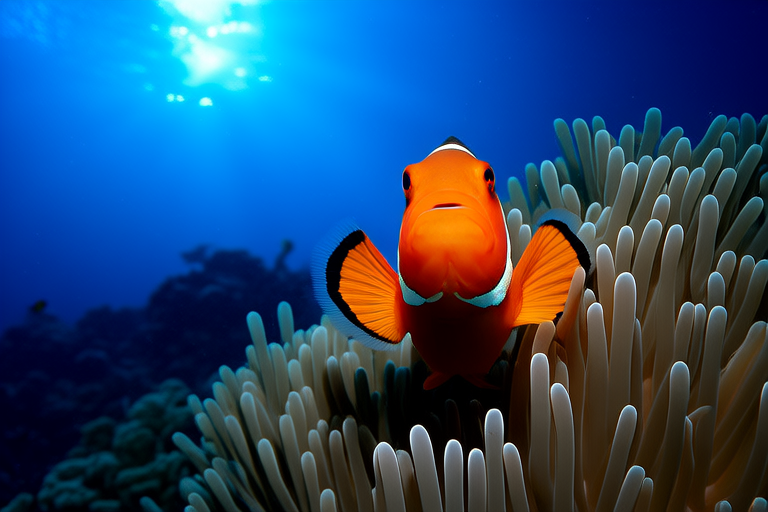
Secrets of the Sea: Unveiling the Natural Habitat of Clownfish
The ocean teems with life, each creature playing a unique role in maintaining the delicate balance of this vast ecosystem. Among the most recognizable inhabitants of the marine world are the vibrant and charming clownfish. Known for their striking orange and white stripes, these fish have captured the hearts of many through animated films like Finding Nemo. But beyond their aesthetic appeal lies a fascinating story of adaptation, survival, and symbiosis that unfolds in the natural habitat of the clownfish.
Introduction to Clownfish
Clownfish, scientifically known as Amphiprioninae, belong to the family Pomacentridae, which includes damselfish. There are approximately 30 recognized species of clownfish, each with distinct patterns and sizes. These small, hardy fish are primarily found in tropical waters, where they form a mutually beneficial relationship with certain species of sea anemones. The association between clownfish and sea anemones is one of the most famous examples of symbiosis in the marine world.
Symbiotic Relationship with Sea Anemones
Sea anemones, which resemble underwater flowers, possess stinging cells called nematocysts that can paralyze or kill smaller fish. However, clownfish have developed a remarkable ability to coexist with these potentially deadly hosts. A protective mucus layer covers the clownfish, making them immune to the anemone’s venom. In return, clownfish provide several benefits to the anemone. They attract prey for the anemone by drawing larger fish closer, and they also protect the anemone from predators like butterflyfish. Additionally, clownfish excrete waste products that nourish the anemone, promoting its growth.
Necessary Environmental Conditions
To thrive, clownfish require specific environmental conditions that cater to their unique needs. Temperature is crucial; clownfish prefer warm waters ranging from 75 to 82 degrees Fahrenheit (24 to 28 degrees Celsius). Water quality must be pristine, with optimal pH levels around 8.1 to 8.4 and salinity levels of 32 to 36 parts per thousand. These conditions mimic the natural habitats found in coral reefs, ensuring the health and vitality of both the clownfish and their anemone companions.
The reef ecosystem, which serves as the primary habitat for clownfish, is a complex web of interdependent organisms. Coral reefs, formed by tiny polyps, provide shelter, breeding grounds, and food sources for countless marine species. Clownfish are particularly adapted to live among the nooks and crannies of coral formations, where they can hide from predators and find ample food. Within this intricate network, clownfish play a vital role, contributing to the overall health and stability of the reef.
Geographical Distribution
Clownfish are widely distributed across the Indian and Pacific Oceans. Their range extends from the Red Sea and the eastern coast of Africa to the central Pacific Ocean. Some species are endemic to specific regions, while others can be found across vast expanses of ocean. For instance, the common clownfish (Amphiprion ocellaris) is native to the Indo-Pacific region, whereas the tomato clownfish (Amphiprion frenatus) is more commonly found in the western Pacific.
Interesting Facts About Behavior and Lifecycle
Clownfish exhibit fascinating behaviors that contribute to their survival in the challenging marine environment. One of the most intriguing aspects of their lifecycle is their social structure. Within a group of clownfish, there is typically a dominant male and female pair. This pair maintains a territory within the anemone, defending it against intruders. If the female dies, the dominant male will transform into a female, allowing the next largest male to take over as the dominant male. This hermaphroditic trait ensures the continuation of the species.
Reproduction in clownfish involves a complex courtship ritual. Males display their fins and perform elaborate dances to attract females. Once a pair is established, they prepare a nest by cleaning a flat area of rock near the anemone. The female then lays thousands of eggs, which the male fertilizes externally. Both parents guard the eggs vigilantly, fanning them with their fins to ensure proper oxygenation. After about six to ten days, the eggs hatch, releasing tiny larvae that drift with ocean currents before settling on suitable coral reefs.
Adaptations to Marine Environment
Clownfish have evolved several adaptations that allow them to thrive in their marine environment. Their streamlined bodies reduce drag in the water, enabling efficient swimming. The presence of numerous sensory structures, such as lateral lines and eyes, helps them detect changes in their surroundings, aiding in predator avoidance and navigation. Furthermore, their ability to change color and pattern intensity allows them to blend into their surroundings, providing camouflage from potential threats.
The Importance of Preserving Coral Reefs
The preservation of coral reefs is paramount for the survival of clownfish and countless other marine species. Coral reefs face numerous threats, including climate change, pollution, and destructive fishing practices. Rising sea temperatures cause coral bleaching, a phenomenon where corals expel the algae living in their tissues, leading to their death. Without healthy coral reefs, clownfish lose their homes and essential resources, jeopardizing their populations.
Conservation efforts are underway to protect coral reefs and the diverse array of life they support. Initiatives include the establishment of marine protected areas, sustainable fishing practices, and community-based conservation programs. By raising awareness and taking action, we can help ensure the survival of clownfish and the vibrant ecosystems they inhabit.
In conclusion, the natural habitat of clownfish is a testament to the intricate and interconnected nature of marine life. From their symbiotic relationship with sea anemones to their adaptability and resilience, clownfish exemplify the wonders of the ocean. As stewards of the Earth, it is our responsibility to protect these fragile ecosystems and preserve the beauty and biodiversity of our seas for future generations.
