Unlocking the Mystery of Abyssinian Behavior: What Every Owner Should Know
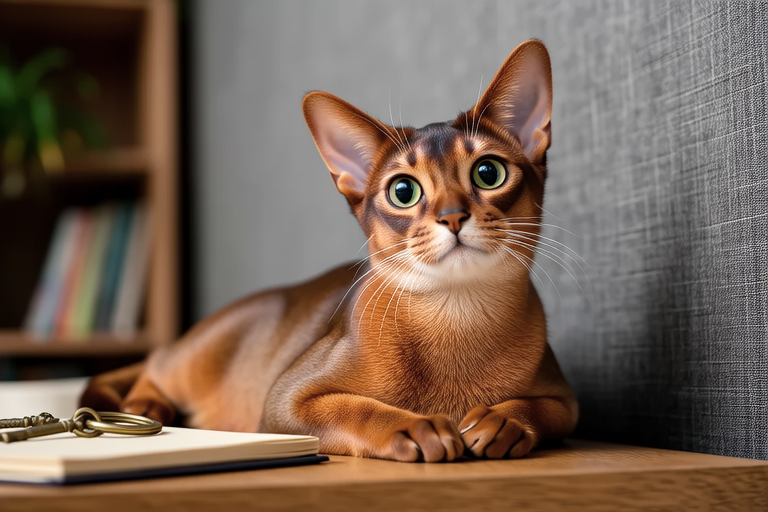
The Abyssinian cat is a breed known for its striking appearance and lively personality. With a coat that resembles the fabled “ticked” fur of ancient Egyptian statues, these cats have captured the hearts of many pet owners with their unique blend of grace and playfulness. Understanding the behavior and specific needs of an Abyssinian can greatly enhance the bond between owner and pet, ensuring a happy and healthy life for both.
Unique Traits of Abyssinians
Abyssinians possess several distinctive characteristics that set them apart from other breeds. Their coats are typically short but dense, with a ticked pattern that gives each hair a banded appearance. This unique coloring is thought to be a result of genetic mutations, making each Abyssinian truly one-of-a-kind. Their large, expressive eyes, usually green or gold, add to their captivating charm. Additionally, they have a muscular build and long legs, which contribute to their agility and athleticism.
Social Needs
Abyssinians are highly social animals and thrive on human interaction. They often form strong bonds with their owners, seeking out companionship and affection. These cats enjoy being part of family activities and may even follow their owners from room to room, much like a loyal dog. Abyssinians are also known to be quite vocal, often chirping or meowing to communicate their needs or simply to engage in conversation. This social nature means that Abyssinians may become distressed if left alone for long periods, so it’s important for owners to provide ample attention and stimulation.
Playfulness
One of the most endearing traits of Abyssinians is their playful demeanor. These cats love to explore their environment and will often find creative ways to entertain themselves. Toys that encourage hunting instincts, such as feather wands or laser pointers, are particularly popular. Abyssinians also enjoy climbing and perching on high surfaces, where they can survey their surroundings. Providing vertical spaces like cat trees or shelves can help satisfy this natural inclination.
Vocal Tendencies
Abyssinians are known for their vocal nature, often communicating through a variety of sounds. While some cats may be quiet, Abyssinians tend to be more talkative, expressing themselves through chirps, trills, and meows. Some owners report that their Abyssinians have distinct ‘voices’ for different situations, such as greeting their owners or requesting food. Understanding these vocal cues can help strengthen the communication between cat and owner.
Grooming Habits
Despite their short coats, Abyssinians require regular grooming to maintain their sleek appearance. Their fur is prone to shedding, especially during seasonal changes, so brushing them once or twice a week can help reduce loose hairs around the house. Grooming sessions also offer an opportunity for bonding and can help keep your cat calm and relaxed. It’s important to use a soft-bristled brush designed for short-haired cats to avoid irritating their skin.
Health Considerations
While generally healthy, Abyssinians are predisposed to certain genetic conditions that owners should be aware of. One common issue is Periodontal Disease, which can lead to tooth loss and other dental problems if not managed properly. Regular dental check-ups and good oral hygiene practices, such as brushing their teeth and providing appropriate chew toys, can help prevent this condition. Another concern is Hypertrophic Cardiomyopathy (HCM), a type of heart disease. Early detection through routine veterinary examinations is crucial for managing this condition effectively.
Practical Advice for Owners
Raising an Abyssinian requires a thoughtful approach to ensure their well-being and happiness. Here are some practical tips:
- Create a stimulating environment: Abyssinians need mental and physical stimulation to stay healthy and content. Provide a variety of toys and activities that cater to their hunting instincts and playful nature.
- Establish a routine: Cats thrive on consistency, so try to establish a daily routine that includes feeding times, play sessions, and grooming. This helps create a sense of security and predictability for your cat.
- Pay attention to their diet: Feed your Abyssinian a balanced diet that meets their nutritional needs. Consult with your veterinarian about appropriate food options and portion sizes based on your cat’s age, weight, and activity level.
- Stay vigilant about health: Schedule regular veterinary visits and pay close attention to any changes in your cat’s behavior or physical condition. Early detection of health issues can make a significant difference in treatment outcomes.
Conclusion
Understanding and meeting the unique needs of an Abyssinian cat can greatly enrich the lives of both pet and owner. By recognizing their social, playful, and vocal tendencies, along with addressing their grooming and health requirements, you can foster a deep and rewarding relationship with your Abyssinian. With proper care and attention, these charming and intelligent cats can bring years of joy and companionship into your home.
