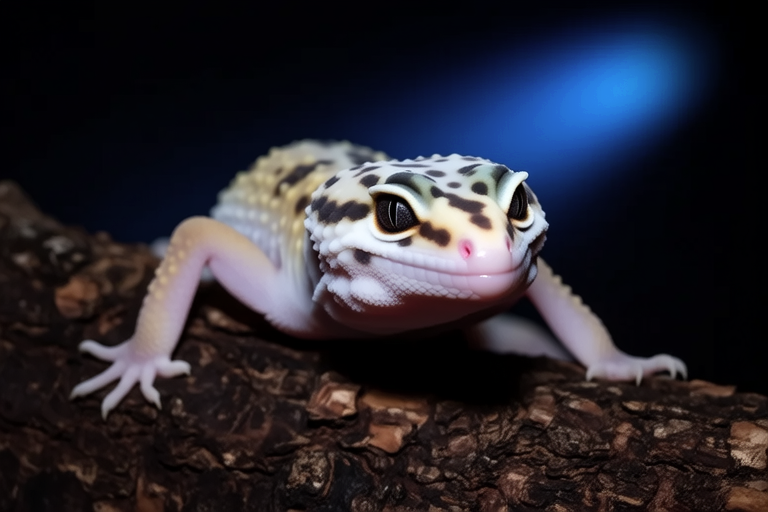
Exploring Nocturnal Behaviors, Feeding Habits, and Environmental Interactions of Leopard Geckos
Leopard geckos, Eublepharis macularius, are fascinating creatures that exhibit unique behaviors and adaptations specifically tailored for their nocturnal lifestyle. Understanding these aspects can provide insight into their health and well-being, offering guidance to pet owners on how to best care for their gecko companions.
Unique Adaptations for Night Vision
One of the most remarkable features of leopard geckos is their exceptional night vision. They possess large, elliptical pupils that allow them to capture as much light as possible, even in low-light conditions. Additionally, their eyes are equipped with a high concentration of rod cells, which are more sensitive to light than cone cells. This adaptation enables them to see better in dim environments, an essential trait for nocturnal hunters.
Thermoregulation
Leopard geckos are ectothermic, meaning they rely on external sources to regulate their body temperature. At night, when temperatures drop, they may seek out warmer areas within their enclosure, such as under heat lamps or near heated rocks. Maintaining an optimal temperature gradient within the enclosure is crucial for their health, as it allows them to thermoregulate effectively.
Hunting Techniques
During the night, leopard geckos become active hunters. Their keen sense of smell and excellent night vision assist them in locating prey. They primarily feed on insects like crickets, mealworms, and waxworms. Leopard geckos employ a sit-and-wait strategy, remaining still until potential prey comes within striking distance. Once a target is identified, they strike swiftly, using their quick reflexes and strong jaws to secure their meal.
Activity Levels and Social Behaviors
After dark, leopard geckos become more active, exploring their environment and engaging in various behaviors. While they are generally solitary animals, some social interactions may occur during nighttime hours. These interactions can include territorial displays, courtship rituals, or mild aggression if multiple geckos are housed together. It’s important for owners to monitor their geckos’ behavior to ensure compatibility and avoid stress or injury.
Circadian Rhythms and Light Cycles
Leopard geckos have well-defined circadian rhythms that dictate their daily activities. These rhythms are influenced by light cycles, with shorter days triggering increased activity and longer nights promoting rest. Disruptions to their natural light cycle can lead to stress, decreased appetite, and other health issues. Therefore, it’s vital for owners to maintain consistent lighting schedules, simulating natural day-night cycles.
Tips for Owners
- Lighting: Use a timer to control lighting, ensuring a consistent 12-hour light-dark cycle. Avoid exposing your gecko to excessive artificial light during the night.
- Temperature: Maintain a temperature gradient within the enclosure, with a warm side around 88-90°F (31-32°C) and a cool side around 75-80°F (24-27°C).
- Hiding Spots: Provide ample hiding spots to mimic natural environments and reduce stress.
- Feeding: Feed your gecko during the evening when they are most active. Offer a variety of prey items to ensure a balanced diet.
Conclusion
Understanding the nocturnal behaviors, feeding habits, and environmental interactions of leopard geckos is essential for providing optimal care. By recognizing their unique adaptations for night vision, thermoregulation, and hunting techniques, owners can create a habitat that closely mimics natural nighttime conditions. This knowledge will help ensure the health and well-being of these captivating creatures, allowing them to thrive in captivity.
