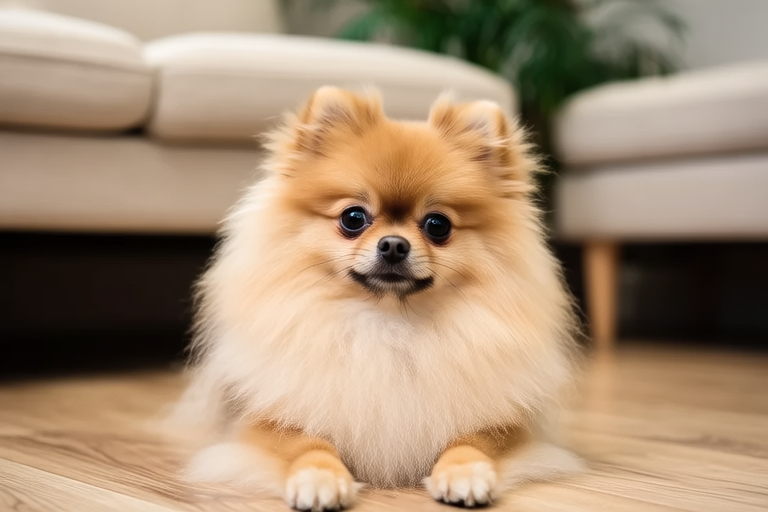
Adorable Fluff Balls: Tips for Caring for Your Pomeranian
Pomeranians, with their fluffy coats and expressive eyes, are beloved companions known for their spunky personalities. Originating from the German province of Pomerania, these diminutive dogs have been cherished for centuries. This article provides comprehensive guidance on how to care for your Pomeranian, covering basic care, dietary needs, exercise requirements, grooming tips, health considerations, training methods, and common behaviors.
Basic Care
Maintaining a clean and safe living environment is crucial for your Pomeranian’s well-being. Ensure they have access to fresh water at all times and provide them with a comfortable bed or crate. A crate serves multiple purposes; it acts as a den, offering security, and aids in house-training. Choose a crate that is just large enough for your Pomeranian to stand up, turn around, and lie down comfortably.
Pomeranians thrive in environments where they can interact with family members and other pets. They are social creatures that require attention and affection. However, due to their small size, they are prone to injury if left unattended in homes with larger animals. Always supervise interactions between different species to ensure safety.
Dietary Needs
A balanced diet is essential for maintaining your Pomeranian’s health. High-quality dog food specifically formulated for small breeds should be your first choice. Look for ingredients like chicken, fish, or lamb as primary protein sources, and avoid foods with fillers or artificial preservatives.
Consult your veterinarian to determine the appropriate amount of food based on your Pomeranian’s age, weight, and activity level. Overfeeding can lead to obesity, which is a significant concern for this breed. Obesity increases the risk of joint problems, diabetes, and heart disease. To prevent overeating, measure out meals and avoid giving table scraps.
Exercise Requirements
Despite their small stature, Pomeranians are energetic and require regular physical activity to stay healthy. Daily walks and playtime are necessary to keep them mentally stimulated and physically fit. Aim for at least 30 minutes of moderate exercise each day. This could include short walks, playing fetch, or interactive games.
Due to their high energy levels, Pomeranians benefit from mental stimulation as much as physical exercise. Puzzle toys and obedience training sessions help engage their minds, preventing boredom and destructive behavior. Remember, while Pomeranians are active, they also appreciate quiet moments and relaxation. Balance their routine to accommodate both aspects of their nature.
Grooming Tips
Pomeranians have thick, double-layered coats that require regular grooming to maintain their appearance and prevent matting. Brush their fur daily using a slicker brush and comb to remove loose hair and tangles. Pay special attention to areas behind the ears and under the tail, where mats often form.
Bathing should be done every four to six weeks or as needed. Use a mild dog shampoo to avoid stripping their coat of natural oils. After bathing, thoroughly dry your Pomeranian with a towel and consider using a blow dryer set on low heat to prevent chilling.
Trimming nails, cleaning ears, and brushing teeth are additional grooming tasks that should be part of your routine. Regular nail trims prevent overgrowth, which can cause discomfort and difficulty walking. Check ears weekly for signs of infection, such as redness or odor, and gently clean them with a cotton ball dipped in a veterinarian-recommended ear cleaner. Dental hygiene is crucial for overall health; brush your Pomeranian’s teeth regularly using a toothbrush and toothpaste designed for dogs.
Health Considerations
Pomeranians are generally healthy dogs but are predisposed to certain health issues. Common conditions include luxating patella (dislocation of the kneecap), hypothyroidism, and dental problems. Regular veterinary check-ups are vital for early detection and management of potential health concerns.
Vaccinations and parasite prevention are also critical components of maintaining your Pomeranian’s health. Discuss vaccination schedules with your veterinarian to ensure your dog is protected against common diseases. Flea, tick, and heartworm prevention should be administered year-round, even in colder climates, as these parasites can be present indoors during winter months.
Training Methods
Pomeranians are intelligent and eager to learn, making them trainable with the right approach. Positive reinforcement techniques, such as rewarding good behavior with treats or praise, are highly effective. Consistency is key; establish clear rules and expectations from the outset and remain patient throughout the training process.
House-training may take longer than with larger breeds, but persistence pays off. Use crate training to encourage appropriate elimination habits. Take your Pomeranian outside frequently and reward successful potty breaks. Crate training also helps prevent accidents inside the home when you cannot supervise.
Obedience training is important for teaching basic commands like ‘sit,’ ‘stay,’ and ‘come.’ Enroll in a puppy class or seek professional assistance if needed. Socialization is equally important; expose your Pomeranian to various people, places, and experiences to foster confidence and good manners.
Common Behaviors
Pomeranians are known for their alertness and protective instincts. They tend to bark at unfamiliar noises or visitors, which can sometimes escalate into excessive barking. Early training and socialization can mitigate this behavior. Teaching the ‘quiet’ command and providing outlets for their energy can help manage barking.
Another characteristic behavior is their tendency to dig. While digging can be frustrating, it is a natural instinct for many dogs. Providing a designated digging area or redirecting their attention to more appropriate activities can help curb this behavior. Interactive toys and puzzles are excellent alternatives that satisfy their need to explore and manipulate objects.
Pomeranians are also prone to separation anxiety, especially if left alone for extended periods. Gradually accustom your Pomeranian to being alone by leaving them for short intervals and gradually increasing the duration. Leaving toys or a radio playing can provide comfort and distraction.
In conclusion, Pomeranians are delightful companions that bring joy and companionship to their families. By understanding their specific needs and providing proper care, you can ensure your Pomeranian leads a happy and healthy life. Whether you’re a new owner or an experienced one, this guide offers valuable insights into raising a well-adjusted and thriving Pomeranian.
