How Clownfish Became Internet Sensations and Stole Our Hearts
Introduction to Clownfish:
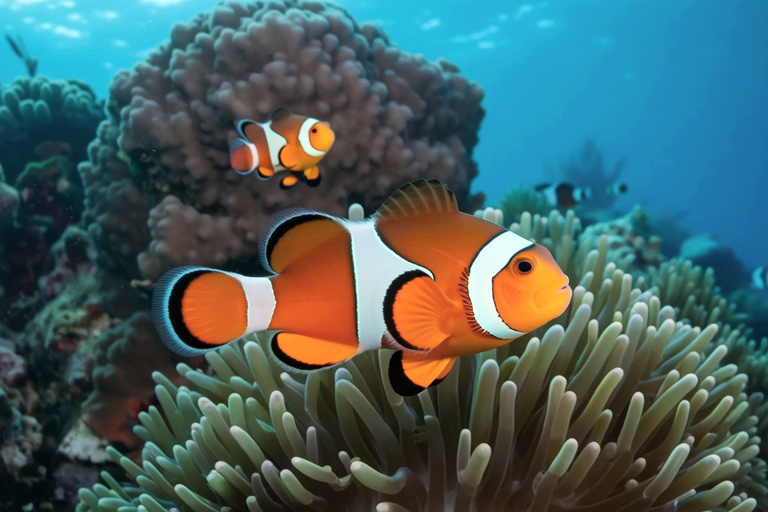
The clownfish, also known as anemonefish, are small, vibrant creatures that have captured the hearts of millions worldwide. These fish belong to the family Amphiprioninae and are native to the tropical waters of the Indo-Pacific region. They are most commonly found in coral reefs, where they form symbiotic relationships with sea anemones. The striking coloration of these fish, typically featuring white stripes on an orange or yellow body, makes them easily recognizable.
Clownfish are well-known for their unique behavior. They live among the tentacles of sea anemones, which provide them with protection from predators. In return, the clownfish offer the anemone nutrients through their waste and help to attract prey. This mutualistic relationship has been a subject of fascination for marine biologists and enthusiasts alike. Additionally, clownfish are territorial and fiercely protective of their home, often displaying aggressive behavior towards intruders.
Finding Nemo: A Global Phenomenon:
In 2003, Pixar Animation Studios released Finding Nemo, a heartwarming animated film that introduced millions of people to the world of clownfish. The movie tells the story of Marlin, a clownfish father who embarks on an epic journey to find his son Nemo after he is captured by divers and taken to Sydney, Australia. While the film is fictional, it was inspired by real-life clownfish behavior and oceanic ecosystems.
The success of Finding Nemo was unprecedented, grossing over $900 million worldwide and winning two Academy Awards. It not only entertained audiences but also educated them about marine life and the importance of protecting our oceans. The film’s portrayal of clownfish as intelligent and emotional beings contributed significantly to their global popularity. As a result, many viewers became curious about these fish and started seeking information about their natural habitats and behaviors.
Social Media: Amplifying Their Appeal:
With the advent of social media, clownfish have become even more popular. Platforms like Instagram, TikTok, and YouTube have allowed users to share their experiences with these fascinating creatures, creating a community of fans who celebrate the beauty and uniqueness of clownfish.
Viral moments involving clownfish include videos of their playful interactions with divers, behind-the-scenes footage from aquariums, and user-generated content showcasing the fish in their natural habitats. One notable trend is the “clownfish challenge,” where users recreate scenes from Finding Nemo using toys or clay figures, adding humor and creativity to the mix.
Moreover, influencers and content creators have played a significant role in amplifying the appeal of clownfish. Many have dedicated channels to marine life, sharing educational content that combines entertainment with science. These creators often collaborate with aquariums and marine biologists to ensure the accuracy of their information, fostering a deeper understanding of clownfish among their followers.
Scientific Facts About Clownfish:
Beyond their charm and popularity, clownfish are fascinating from a scientific perspective. Did you know that clownfish are hermaphrodites? They can change sex from female to male, which is a rare trait in the animal kingdom. This ability allows them to maintain stable populations within their communities.
Clownfish have a unique adaptation that protects them from the venomous stings of sea anemones. They produce a special mucus layer on their skin that neutralizes the toxins, enabling them to coexist with their hosts. This adaptation has been a subject of scientific research, as scientists seek to understand the chemical compounds involved.
Another interesting fact is that clownfish are highly vocal. They communicate through grunts, pops, and chirps, which play a crucial role in establishing territory and attracting mates. Researchers have used underwater microphones to record these sounds, providing valuable insights into clownfish behavior.
The Impact on Marine Conservation:
The increased popularity of clownfish has had both positive and negative impacts on marine conservation efforts. On one hand, it has raised awareness about the importance of preserving coral reefs and marine biodiversity. Many people who were previously unaware of the threats facing our oceans have become passionate advocates for marine conservation, thanks to the influence of films like Finding Nemo.
On the other hand, the surge in demand for clownfish as pets has led to overfishing and habitat destruction in some areas. To address this issue, many aquariums and organizations have launched breeding programs aimed at reducing the number of wild-caught clownfish sold in the pet trade. These programs not only help to protect wild populations but also provide educational opportunities for visitors.
Additionally, the popularity of clownfish has inspired initiatives focused on marine conservation and education. For example, some aquariums offer guided tours and workshops that teach visitors about the importance of coral reefs and the challenges faced by marine species. These efforts contribute to building a more informed and engaged public, which is essential for long-term conservation success.
Conclusion:
From their discovery in the wild to their rise as internet sensations, clownfish have captured the imagination of people around the globe. Through the magic of animation, social media, and scientific exploration, these remarkable creatures have become symbols of resilience and wonder. As we continue to learn more about them, it is our responsibility to ensure that future generations can enjoy the beauty and diversity of marine life.
The increased popularity of clownfish presents both challenges and opportunities for marine conservation. By supporting sustainable practices and raising awareness, we can help protect these beloved creatures and the ecosystems they inhabit. Let us continue to celebrate the magic of clownfish while working together to preserve the oceans that sustain them.
