Unleashing the Beauty: Top Tips for Betta Fish Care
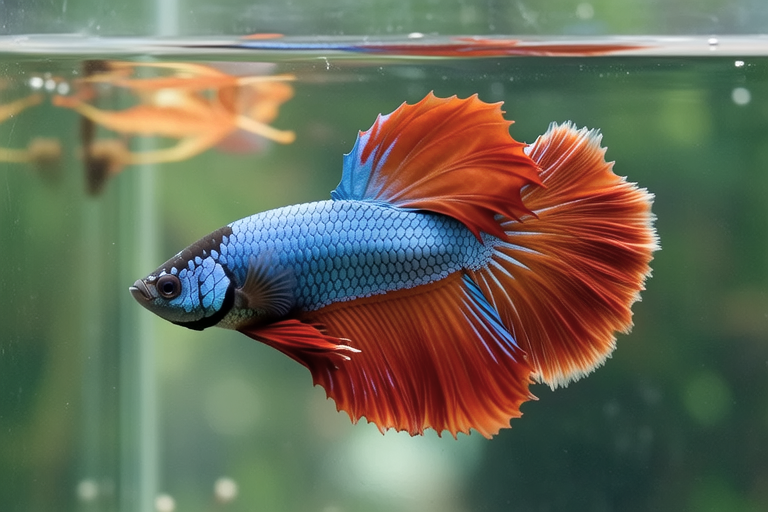
Betta fish, also known as Siamese fighting fish, have captivated aquarium enthusiasts for decades. These colorful and graceful creatures are celebrated for their vibrant hues and flowing fins, making them one of the most popular choices for both beginner and experienced aquarists. Their striking appearance, combined with their relatively easy care requirements, has earned them a special place in the hearts of many. However, despite their reputation as low-maintenance pets, proper care is essential to ensure these beautiful fish thrive in their aquatic homes. This article will guide you through the key aspects of betta fish care, from setting up the perfect tank environment to maintaining water quality and ensuring a balanced diet. We’ll also explore common health issues and provide tips for decorating your tank to encourage natural behaviors.
Setting Up the Ideal Tank Environment
The first step in providing optimal care for your betta fish is creating a suitable living space. While it’s commonly believed that bettas can survive in small containers or bowls, this is a misconception. A minimum tank size of 5 gallons is recommended to allow the fish ample room to swim and thrive. The tank should be equipped with a filter to maintain water circulation and prevent the buildup of harmful toxins. Additionally, ensure the tank is placed away from direct sunlight and drafts to avoid temperature fluctuations that could stress your fish.
When selecting substrate for your tank, opt for fine gravel or sand that won’t harm your betta’s delicate fins. Decorations like plants, caves, and driftwood not only enhance the aesthetic appeal of your aquarium but also provide hiding spots and stimulation for your fish. Live plants are particularly beneficial as they help oxygenate the water and absorb nitrates, contributing to a healthier environment. However, if you prefer artificial plants, choose those made from non-toxic materials that won’t damage your betta’s fins.
Water Quality Maintenance
Maintaining pristine water conditions is crucial for the well-being of your betta fish. Regularly monitor the pH level, ammonia, nitrite, and nitrate levels to ensure they remain within safe ranges. Betta fish prefer slightly acidic water with a pH between 6.8 and 7.2. Ammonia and nitrite levels should be kept at zero, while nitrate levels should be below 20 ppm. Water changes are essential for maintaining water quality; aim to change about 20% of the water weekly, being careful not to disturb the fish during the process.
To prevent sudden changes in water parameters, always acclimate new water gradually by floating the bag containing the new water in your tank for about 15 minutes before mixing it in. This allows the fish to adjust to the new conditions slowly, reducing stress and potential health issues.
Appropriate Diet
A balanced diet is vital for keeping your betta fish healthy and vibrant. Betta fish are carnivorous by nature, so their diet should primarily consist of high-protein foods such as pellets, flakes, and frozen or live foods like bloodworms, brine shrimp, and daphnia. Offer your betta fish a varied diet to ensure they receive all necessary nutrients. Feed them twice daily, providing just enough food that they can consume within two minutes. Overfeeding can lead to obesity and other health problems, so it’s important to feed them适量地。避免过度喂食,因为这会导致肥胖和其他健康问题,所以适量喂食很重要。
Common Health Issues
Like any pet, betta fish can face health challenges. One of the most common issues is fin rot, which causes the fins to become frayed and discolored. This condition is often linked to poor water quality or bacterial infections. Maintaining clean water and ensuring a balanced diet can help prevent fin rot. Another frequent problem is ich, a parasitic infection that manifests as white spots on the fish’s body. Treating ich typically involves raising the water temperature to 82°F (28°C) and adding medication specifically designed to combat parasites.
Regular observation of your betta fish’s behavior and physical condition is crucial for early detection of health issues. If you notice unusual swimming patterns, loss of appetite, or changes in coloration, consult a veterinarian specializing in exotic animals for diagnosis and treatment. Early intervention can make a significant difference in your fish’s recovery.
Tips for Tank Decoration
Decorating your tank not only enhances its visual appeal but also encourages natural behaviors in your betta fish. Incorporate a variety of decorations to create different zones within the tank, offering both open swimming areas and secluded spots for rest. Floating plants or decorations can mimic the surface where bettas naturally spend time, encouraging them to display their full range of behaviors.
Incorporating gentle lighting can also contribute to a more stimulating environment. Choose LED lights with adjustable brightness settings to simulate day and night cycles, promoting healthy sleep patterns for your fish. Avoid overly bright or harsh lighting, as it can cause stress and disrupt your betta’s natural behaviors.
Handling and Bonding with Betta Fish Safely
While betta fish are generally docile, they can become stressed or injured during handling. It’s important to minimize the frequency of handling and ensure that any interaction is done gently and carefully. When you need to move your betta fish, use a soft net or cup filled with tank water to avoid damaging their delicate fins.
Bonding with your betta fish can be a rewarding experience. Spend time observing their behavior and movements, and consider feeding them by hand occasionally to build trust. With patience and care, you can develop a strong bond with your betta fish, enhancing their overall well-being.
In conclusion, caring for betta fish requires attention to detail and a commitment to providing a healthy and stimulating environment. By following the tips outlined in this article, you can ensure that your betta fish thrive and bring joy to your home. Whether you’re a novice aquarist or an experienced enthusiast, taking the time to understand and meet the needs of your betta fish will reward you with a lifelong companion that is both beautiful and fascinating.
