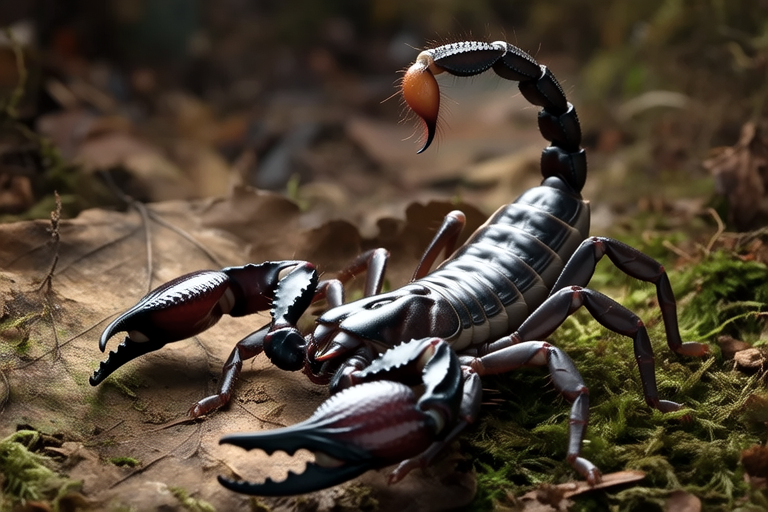
The Silent Stalker: Unveiling the Secrets of the Heterometrus Spinifer
The Heterometrus spinifer, commonly known as the Asian forest scorpion, is a creature shrouded in mystery and intrigue. This elusive arachnid plays a crucial role in its ecosystem, yet remains largely unnoticed by humans due to its nocturnal habits and preference for secluded habitats. As we delve into the world of this fascinating species, we uncover a wealth of information about its physical attributes, behavior, cultural significance, and the challenges it faces in the modern world.
Introduction to the Asian Forest Scorpion
The Asian forest scorpion, or Heterometrus spinifer, is a species native to Southeast Asia, particularly in regions such as Thailand, Malaysia, and Indonesia. These creatures are primarily found in tropical rainforests, where they thrive in the humid and warm conditions. Despite their significant presence in these ecosystems, they remain relatively unknown to the general public, partly due to their reclusive nature and the nocturnal lifestyle that keeps them hidden from view during daylight hours.
Physical Characteristics
One of the most striking features of the Heterometrus spinifer is its size. Adults typically reach lengths between 8 and 12 centimeters, making them one of the largest scorpions in their region. Their coloration varies from dark brown to black, providing excellent camouflage against the forest floor and tree bark. The scorpion’s body is segmented into three main parts: the prosoma (head), mesosoma (abdomen), and metasoma (tail). Each segment is covered in small spines, which contribute to its defensive capabilities.
The most notable feature of the Heterometrus spinifer is its potent venom, stored in glands located at the base of its tail. This venom serves multiple purposes: it aids in subduing prey, deterring predators, and facilitating digestion. While the venom is not lethal to humans, it can cause severe pain, swelling, and localized tissue damage. The scorpion’s pincers, or pedipalps, are also formidable weapons, capable of delivering powerful pinches that help it capture and manipulate its prey.
Habitat and Behavior
The Heterometrus spinifer is a highly adaptable species, thriving in a variety of environments within its range. However, it prefers dense forests with ample cover, such as fallen logs, rock crevices, and tree hollows. These shelters provide protection from both predators and extreme weather conditions. The scorpion’s nocturnal lifestyle ensures that it remains active during the cooler, darker hours of the night, when it can hunt more efficiently without the risk of overheating.
As a predator, the Heterometrus spinifer uses a combination of stealth and speed to catch its prey. It relies on its keen sense of touch and vibration detection to locate potential victims, often ambushing them from hiding spots. Its diet consists mainly of insects, spiders, and other small invertebrates. Once it has captured its prey, the scorpion injects venom through its stinger to immobilize and begin the digestive process, allowing it to consume its meal externally.
Cultural Significance and Myths
In many Southeast Asian cultures, the Heterometrus spinifer holds a special place in folklore and traditional medicine. In some communities, it is believed that the scorpion possesses mystical powers and can bring good fortune to those who encounter it. Conversely, there are also tales of the scorpion as a harbinger of bad luck or illness, reflecting the complex relationship between humans and wildlife in these regions.
Traditional healers have long used the venom of the Heterometrus spinifer in various remedies, although the effectiveness of these treatments remains unverified by scientific studies. Despite this, the scorpion continues to be revered in many local traditions, symbolizing strength, resilience, and the balance of nature.
Conservation Efforts
Despite its cultural significance and ecological importance, the Heterometrus spinifer faces numerous threats in the modern world. Habitat destruction, driven by deforestation and urbanization, poses the greatest danger to the species. As human populations expand into previously untouched areas, the scorpion’s natural habitats are increasingly fragmented, reducing the available space for breeding and hunting.
To address these challenges, several conservation initiatives have been established to protect the Heterometrus spinifer and its environment. These efforts include the creation of protected areas, public education campaigns, and research programs aimed at understanding the species’ biology and behavior. By raising awareness and promoting sustainable practices, these initiatives aim to ensure the survival of the Asian forest scorpion for future generations.
The Future of the Heterometrus Spinifer
The Heterometrus spinifer is a remarkable species, embodying the complexity and beauty of the natural world. As we continue to explore and understand this silent stalker, it becomes clear that its survival is intrinsically linked to the health of its ecosystem. By recognizing the importance of the scorpion in its environment and taking steps to preserve its habitats, we can ensure that this enigmatic creature remains a vital part of our planet’s biodiversity.
In conclusion, the Heterometrus spinifer is not just another animal in the forest; it is a symbol of the delicate balance that exists between all living things. Through continued research, conservation efforts, and respect for nature, we can safeguard the future of this remarkable species and the ecosystems it calls home.
