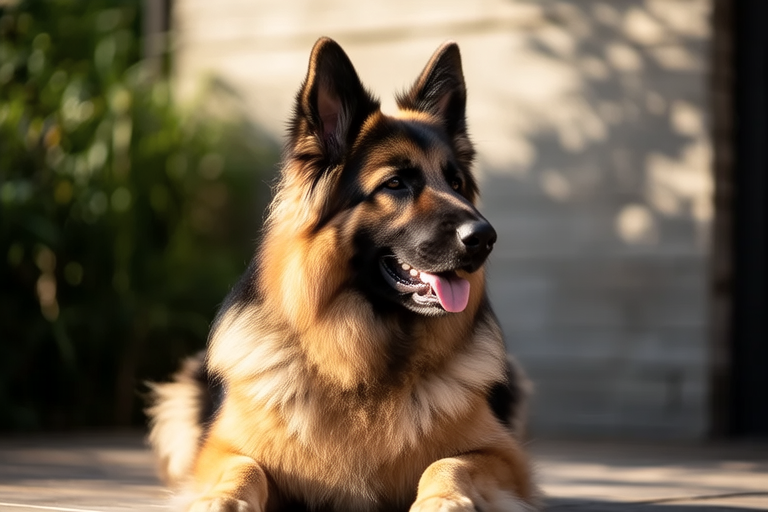
Unraveling the Myths About German Shepherd Temperament
German Shepherds have long been celebrated for their remarkable intelligence and unwavering loyalty, making them one of the most popular breeds among dog enthusiasts. However, these majestic canines also come with a reputation that sometimes overshadows their true nature. This article aims to dispel common myths surrounding the German Shepherd’s temperament, focusing on their intelligence, loyalty, and the importance of proper training and socialization.
Debunking Misconceptions: The Truth Behind German Shepherd Aggression
One of the most prevalent myths about German Shepherds is their supposed inherent aggression. Many people associate this breed with aggression due to their frequent portrayal in movies and television as guard dogs or police dogs. While it’s true that German Shepherds are protective of their families and can be trained for various roles that require assertiveness, their aggression is not an innate trait but rather a result of poor breeding practices, inadequate socialization, and improper handling.
Properly bred and raised German Shepherds are intelligent, confident, and loyal companions. They thrive when given clear guidance and consistent training. Their natural instincts make them excellent working dogs, but with the right upbringing, they can be gentle and affectionate family pets. It is essential to understand that any dog, regardless of breed, can exhibit aggressive behavior if mishandled or not socialized adequately.
The Intelligence and Loyalty of German Shepherds
German Shepherds are often described as one of the smartest dog breeds, and for good reason. They possess a high level of cognitive ability, which makes them quick learners and capable of understanding complex commands. This intelligence is why they excel in various roles such as police work, search and rescue, and military operations. Their loyalty is equally commendable; they form strong bonds with their owners and are known for their protective nature.
These traits are not just impressive but also beneficial for potential owners. A German Shepherd’s intelligence means they can be trained to perform specific tasks, making them ideal for service dogs. Their loyalty ensures they will be devoted companions, always ready to protect and support their human family. Understanding and nurturing these qualities can lead to a rewarding relationship between owner and pet.
Training Methods to Bring Out the Best in Your German Shepherd
Training is crucial for bringing out the best in your German Shepherd. Positive reinforcement techniques, such as rewarding good behavior with treats and praise, are highly effective. Consistency is key; ensuring that commands are given in the same way every time helps your dog understand what is expected of them. Training sessions should be short and frequent to keep your dog engaged and focused.
Early training is especially important for German Shepherds. Starting young allows you to establish boundaries and expectations from the beginning, which can prevent behavioral issues later on. Socialization during puppyhood is also vital. Exposing your German Shepherd to different environments, people, and other animals helps them become well-adjusted adults.
Advanced training can include agility courses, obedience trials, and even therapy work. These activities not only provide mental stimulation but also help build a stronger bond between you and your dog. Engaging in these activities can also help your German Shepherd burn off excess energy, reducing the likelihood of destructive behaviors.
The Role of Socialization in Shaping a Well-Rounded Temperament
Socialization plays a critical role in shaping a well-rounded temperament in German Shepherds. Early exposure to various stimuli, including different sounds, sights, and textures, can help your dog develop into a confident adult. This process should begin as early as possible, ideally within the first few months of life.
During socialization, it’s important to introduce your German Shepherd to new experiences gradually and positively. For instance, if your dog is nervous around strangers, start by having friends visit who are calm and friendly. Gradually increase the number of visitors and the types of interactions to help your dog become more comfortable in social situations. Regular visits to dog parks can also be beneficial, providing opportunities for safe interaction with other dogs.
Proper socialization ensures that your German Shepherd grows up to be a well-behaved, confident adult. It helps them adapt to different environments and situations, reducing anxiety and stress. A well-socialized dog is more likely to respond calmly to unexpected events and陌生人
